MEDINDIA
 English
 हिन्दी
 Español
 français
 中文
中文
Genomic testing for the causes of stillbirth should be considered for routine use, a new study suggests. Discovering the cause of stillbirth is of great importance in order or predict the likelihood of a recurrence in future pregnancies.
Stillbirth Causes Diagnosis Prevention
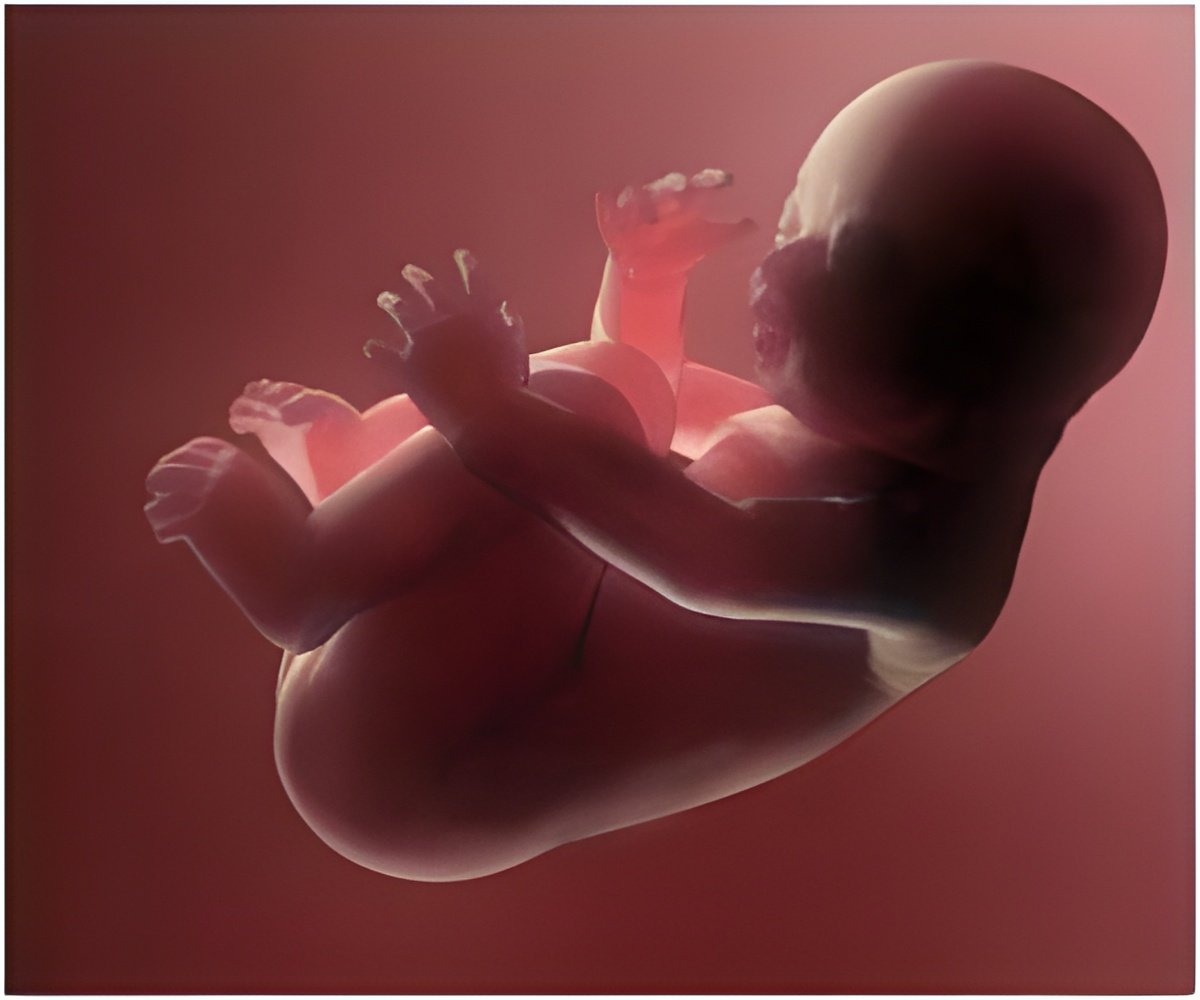
The term stillbirth is used when fetal death occurs after twenty weeks of pregnancy. A change in fetal movement could provide indications of fetal distress or even death.
The term stillbirth is used when fetal death occurs after twenty weeks of pregnancy. A change in fetal movement could provide indications of fetal distress or even death.
TOP INSIGHT

Genomic testing may help identify the genetic factors that can contribute to stillbirth. Thus, a routine use of genomic testing may help predict the likelihood of a recurrence in future pregnancies.
Solved cases included new disease gene discoveries, new syndrome identification and novel severe fetal presentations of existing rare pediatric disease. In the retrospective cohort, strong candidates for the cause of death were found in 18 percent of cases.
This study has contributed directly to the birth of healthy babies, Prof Barnett will tell the conference. We have had numerous couples who, with successful pre-implantation genetic diagnosis via in vitro fertilization in subsequent pregnancies, or through prenatal testing during pregnancy, have been able to avoid the genetic condition experienced in a prior pregnancy. Of course, this can only be offered to couples if a definitive genetic diagnosis is made in the earlier affected pregnancy, and this is the primary aim of our study. These conditions are often extremely rare and, indeed, in some cases they are totally new.

Anencephaly - Causes, Symptoms, Diagnosis and Treatment
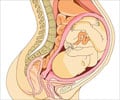
Anencephaly is a neural tube defect (NTD), in which a baby is born with an underdeveloped brain and skull. Major portions of the brain may be missing or completely absent. Sadly, there is no treatment for this condition.
Anencephaly is a neural tube defect (NTD), in which a baby is born with an underdeveloped brain and skull. Major portions of the brain may be missing or completely absent. Sadly, there is no treatment for this condition.
In Australia, a standard perinatal autopsy is done in about 60 percent of cases of unexplained fetal or neonatal death and termination of pregnancy for congenital abnormalities. Some genetic testing is done, but it is limited, usually to chromosomal analysis. As in most other countries, specific genetic sequencing is not a standard part of the autopsy process and when it does occur it is generally limited to a particular condition or a relatively short list of genes. We are offering the testing of all human genes so that we can increase the rate of diagnosis as much as possible, says Prof Barnett.
Breech Presentation and Delivery / Breech Birth
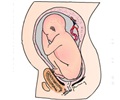
Breech birth or presentation is delivery of the fetus in a bottom or foot-first position. Causes of breech presentation include premature labor, uterine malformations and fetal abnormalities.
Breech birth or presentation is delivery of the fetus in a bottom or foot-first position. Causes of breech presentation include premature labor, uterine malformations and fetal abnormalities.
Our results provide new insights into the molecular mechanisms of early development. We are not surprised that a significant proportion of 'unexplained' fetal and newborn deaths and congenital abnormalities have an underlying genetic cause, and we believe that genomic autopsy should be used routinely in the investigation of pregnancy loss and perinatal death, Prof Barnett will conclude.
About Multifactorial Birth Defects
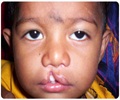
Encyclopedia section of medindia gives in brief General Info about About Multifactorial Birth Defects.
Encyclopedia section of medindia gives in brief General Info about About Multifactorial Birth Defects.
Source-Eurekalert
 Email
Email