MEDINDIA
 English
 हिन्दी
 Español
 français
 中文
中文
Scientists have discovered the genes that put some children at particularly high risk of serious asthma attacks.

Asthma - Factors, Common Allergens, Diagnosis, Treatment, Support Groups, FAQs
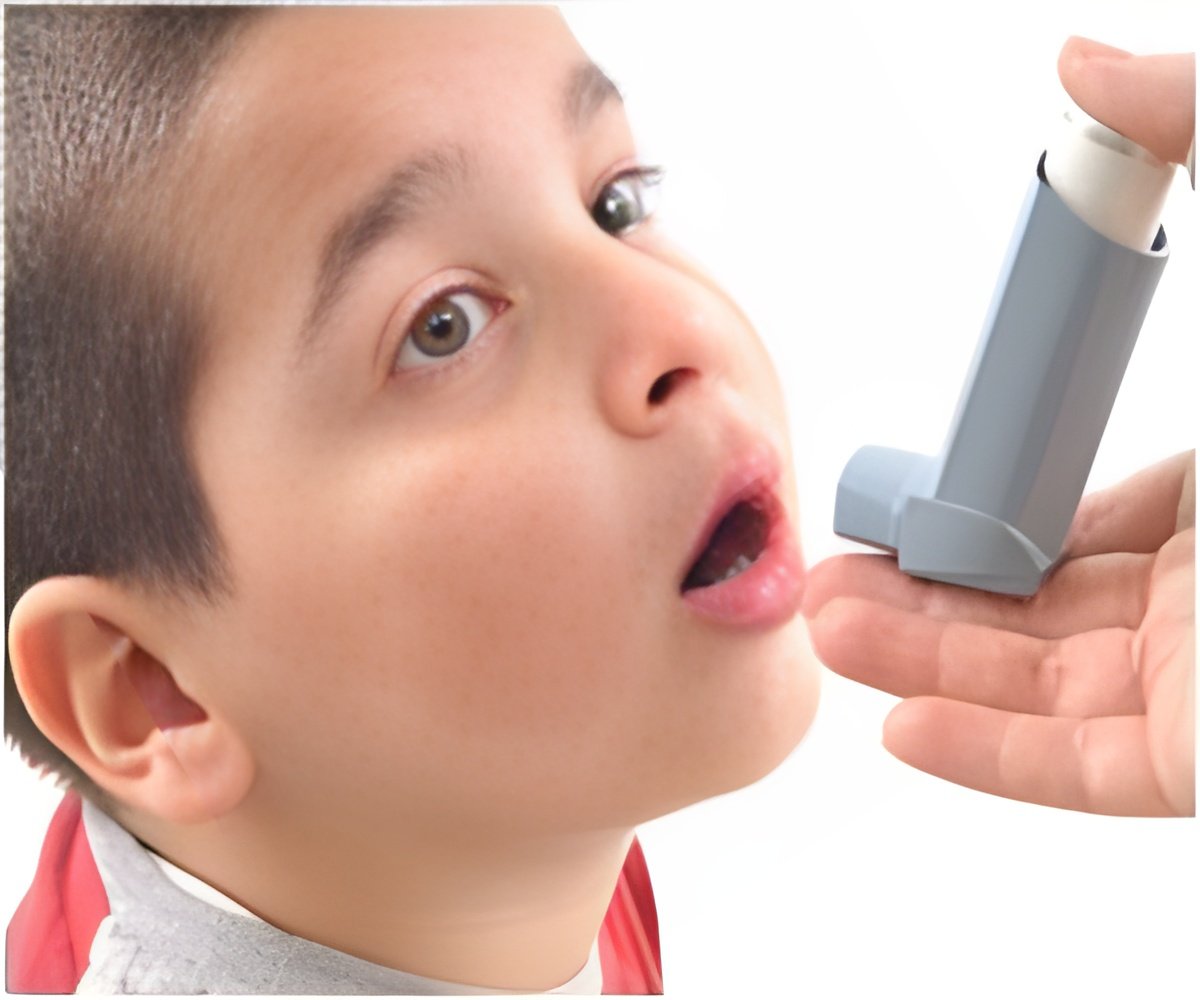
It's a lung condition characterized by inflammation of the bronchi and constriction of the airways that result in coughing, wheezing or breathlessness. Allergy and other airway irritants can trigger it
It's a lung condition characterized by inflammation of the bronchi and constriction of the airways that result in coughing, wheezing or breathlessness. Allergy and other airway irritants can trigger it
The researchers have studied the genes of 1,200 young children aged between two and six who had been hospitalised several times because of severe asthma attacks, and compared them with 2,500 healthy people.
Individualised treatment

Quiz on Anti-Asthma Medications
Anti-asthma medications include quick relief and long-term medications. Test your knowledge on anti-asthma medication by taking this quiz.
Anti-asthma medications include quick relief and long-term medications. Test your knowledge on anti-asthma medication by taking this quiz.
"Although good asthma medication is available today, it doesn't work for everyone. Specifically we need effective medicine to prevent very young children from being hospitalised and to treat them once they have been admitted. That's why we started looking at this particular group. Because asthma symptoms are fairly similar in all children, doctors tend to approach the condition in the same way. However, in reality asthma has many different underlying mechanisms, which need to be individually mapped," says Klaus Bønnelykke. He explains that to date researchers have focused on various theories about asthma attack prevention in young children, for example, recommending breastfeeding and avoiding pets and dust mites in the home.

Large volume of data

Risk of Cat Allergies High Among Asthma Sufferers
A new study reveals that the number of asthma patients who are also allergic to cats has more than doubled over the last two decades.
A new study reveals that the number of asthma patients who are also allergic to cats has more than doubled over the last two decades.
The study was based on examinations of 1,200 Danish children hospitalised for asthma and 2,500 healthy individuals. Two- to six-year-old children who had been hospitalised at least twice were identified in the hospital records. Their DNA was then screened for risk genes, and subsequent studies of children from Denmark and abroad confirmed the discovery of a new risk gene (CDHR3).
Source-Eurekalert
 Email
Email