MEDINDIA
 English
 हिन्दी
 Español
 français
 中文
中文
Congenital Diarrhea and Enteropathies (CODE) are rare genetic disorders causing severe chronic diarrhea.
The Genetic Architecture of Congenital Diarrhea and Enteropathy
Go to source). The results marked a major breakthrough, delivering diagnoses in 48% of cases—a significant jump from the 20% rate typically seen in Dr. Muise’s Precision IBD and Monogenic Intestinal Diseases clinic, and a dramatic improvement from the three percent diagnostic rate seen just a few years ago.

Are You Suffering from Stomach/Abdominal Cramps and Diarrhea?
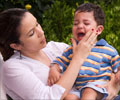
Abdominal pain and diarrhea, with cramp-like sensations and frequent bathroom urges, may indicate issues like indigestion or infections.
Abdominal pain and diarrhea, with cramp-like sensations and frequent bathroom urges, may indicate issues like indigestion or infections.
TOP INSIGHT

Ever wonder why some #diarrheal diseases happen? Finding the genetic cause is just the start! Uncovering 3 new pathways could lead to new diarrheal treatments. #genetics #diarrhea
A Newborn's Battle: Navigating Life with Rare Congenital Diarrhea
At just two days old, Sophie was losing weight rapidly. Genetic testing revealed she had a rare condition called CODE (congenital diarrhea and enteropathies), which affects nutrient absorption. For her parents, Samantha and Kyle, this meant reshaping their new life around hospital visits and at-home medical care. "Suddenly, we had to become not just parents, but also health-care providers for our first child,” says Samantha.“Undiagnosed infantile diarrhea can be fatal, but even when it isn’t, early diagnosis of rare conditions can help provide much-needed answers for families,” explains Muise, Staff Gastroenterologist and Senior Scientist in the Cell & Systems Biology program. “As a result of this study, we can now provide a diagnosis to more families and move closer to precision treatments tailored to their child’s specific genetic variant.”

Diarrhea Symptom Evaluation
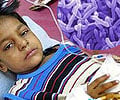
Diarrhea is one of the most common causes of dehydration and death in children. Diarrhea may be acute or chronic depending on the duration of symptoms.
Diarrhea is one of the most common causes of dehydration and death in children. Diarrhea may be acute or chronic depending on the duration of symptoms.
“When we got Sophie’s genetic test results back it was a relief, like finally having another piece of the puzzle,” says Samantha. “Having the official genetic report meant that we would have the support we need to move forward and connect with other families.”

BRAT Diet (Bland Diet)
A BRAT diet is usually recommended for a person to recover from nausea, vomiting and an upset stomach. It is a short-term bland diet to soothe the intestinal cells.
A BRAT diet is usually recommended for a person to recover from nausea, vomiting and an upset stomach. It is a short-term bland diet to soothe the intestinal cells.
“This is Precision Child Health in action,” says Muise, Co-Director of the Inflammatory Bowel Disease (IBD) Centre. “While the journey towards understanding and treating these rare conditions is ongoing, better understanding of the genetic pathways that impact CODE brings us one step closer to developing drugs to target those pathways and change the trajectory of patients with these conditions.”

Quiz on Diarrhea
Diarrhea is the second leading cause of death among children below 5 years of age.Test your knowledge on this potentially fatal but easily preventable and treatable condition by taking this ...
Diarrhea is the second leading cause of death among children below 5 years of age.Test your knowledge on this potentially fatal but easily preventable and treatable condition by taking this ...
Sophie, now six years old, requires ongoing monitoring and TPN treatment, but a novel surgical approach to CODE detailed by co-senior author Dr. Yaron Avitzur, Interim Division Head of Gastroenterology, Hepatology and Nutrition and Director of the GIFT program, significantly improved her health and quality of life, with her parents noting a marked increase in her comfort and happiness.
“We hope that there is more research like this, that could move us closer to treatments that will continue to improve Sophie’s quality of life and transform the life of children like her,” explains Samantha.
Reference:
- The Genetic Architecture of Congenital Diarrhea and Enteropathy - (https://www.nejm.org/doi/10.1056/NEJMoa2405333)
Source-Eurekalert
 Email
Email