MEDINDIA
 English
 हिन्दी
 Español
 français
 中文
中文
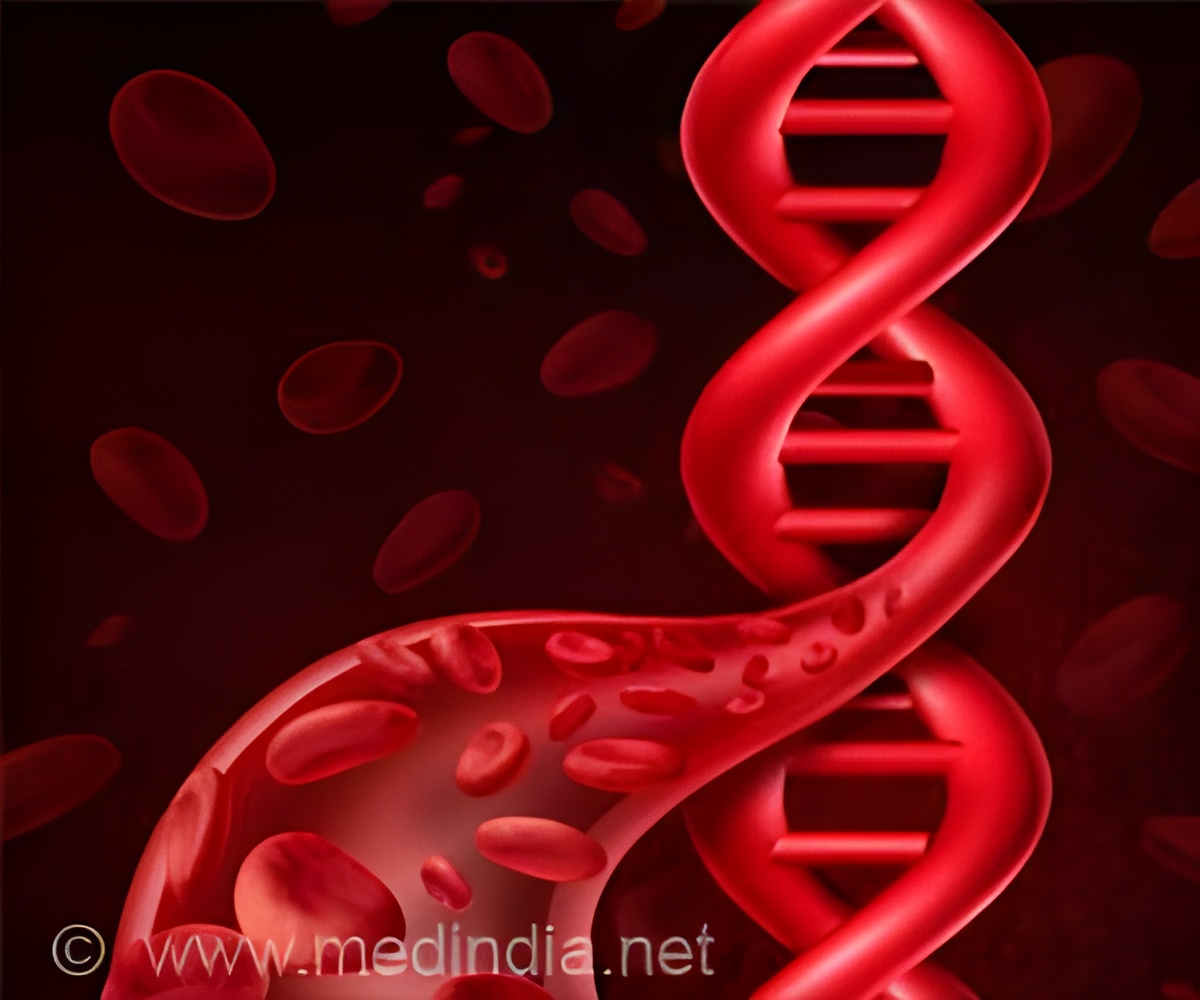
Gene therapy offers fresh hope in the fight against blood disorders. With more development, this technology could be useful in treatment for inherited blood disorders such as sickle cell anemia and thalassemia.
Sickle Cell Anemia–Causes-Symptoms-Diagnosis-Treatment–Prognosis
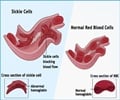
Sickle cell anemia (SCA) is a genetic blood disorder caused by abnormal inherited hemoglobin. Sickle cell anemia is the most common form of sickle cell disease.
Sickle cell anemia (SCA) is a genetic blood disorder caused by abnormal inherited hemoglobin. Sickle cell anemia is the most common form of sickle cell disease.
TOP INSIGHT

Gene therapy can offer a potential treatment for blood disorders by engineering microparticles that deliver gene-regulating material to hematopoietic stem and progenitor cells. With further development, this technology could be useful in treatment for inherited blood disorders such as sickle cell anemia and thalassemia.
With more development, this technology could be useful in treatment for inherited blood disorders that affect thousands of Americans. These include, for example, sickle cell anemia, a disease that causes abnormally shaped red blood cells, and thalassemia, which disrupts the production of the blood protein hemoglobin.
The methods developed by Kao and Papoutsakis could also be used to deliver personalized medicine, because these microparticles can be individually generated and stored frozen for each patient, said Papoutsakis.

Thalassemia - Symptoms, Diagnosis, Treatment, Future Therapies
Thalassemia is an inherited blood disorder passed on through parental genes causing the body to produce abnormal hemoglobin.
Thalassemia is an inherited blood disorder passed on through parental genes causing the body to produce abnormal hemoglobin.
"A lot of researchers are trying to deliver DNA, nucleic acids, or drugs to target hematopoietic stem cells," said Papoutsakis. "This is the right cell to target because it gives rise to all blood cells."
In Vivo Gene Editing Cures Blood Disorders in Fetus
Monogenic hereditary disorders are largely responsible for child mortality and morbidity. However, intrauterine genetic editing could correct the genetic defect and thereby cure the disease in the fetus.
Monogenic hereditary disorders are largely responsible for child mortality and morbidity. However, intrauterine genetic editing could correct the genetic defect and thereby cure the disease in the fetus.
However, some previously developed methods to target these stem cells deliver genetic material with help from a virus, risking side effects to the patient, said Papoutsakis. Instead, the University of Delaware team developed a method that takes advantage of tiny particles that already float in the bloodstream: megakaryocytic microparticles.
Self-Renewing Hematopoietic Stem Cells: Major Game-changer In Blood Disorder Therapy
Generation of self-renewing hematopoietic stem cells (HSC) is a major stride ahead in offering a potential cure for of several inherited and acquired blood diseases.
Generation of self-renewing hematopoietic stem cells (HSC) is a major stride ahead in offering a potential cure for of several inherited and acquired blood diseases.
Source-Eurekalert
 Email
Email