MEDINDIA
 English
 हिन्दी
 Español
 français
 中文
中文
Walking and cycling have many benefits and help reduce greenhouse gas emissions, but researchers say we need to think about what people eat to fuel their walking and cycling.


Study Finds Why Women are Less Responsible for Greenhouse Gas Emissions Than Men
Women were found to be less responsible for greenhouse gas emissions than men, revealed new study.
Women were found to be less responsible for greenhouse gas emissions than men, revealed new study.
TOP INSIGHT

In high income countries, reductions in greenhouse gas emissions are largely proportional to the magnitude of meat and dairy reduction.
"We have a conundrum - but a solvable one. To maximize the benefit on greenhouse gas emissions achieved by increasing active transport, we need to also address dietary patterns. Emissions associated with active transport will be lower if walking and cycling are powered by low-carbon dietary options."
The research estimates that the additional energy expenditure required to travel one kilometre ranged from 48 to 76 kilocalories for walking and 25 to 40 kilocalories for cycling.
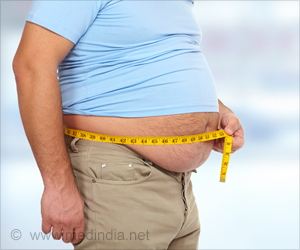
Obesity Linked to Greater Greenhouse Gas Emissions
Obesity: Obese, overweight people have greater carbon dioxide production from oxidative metabolism than individuals with normal weight, reveals a new study.
Obesity: Obese, overweight people have greater carbon dioxide production from oxidative metabolism than individuals with normal weight, reveals a new study.
Dr Mizdrak says there is a significant difference in greenhouse gas emissions related to food production between the most and the least economically developed nations.
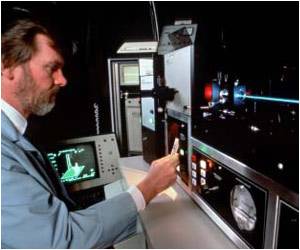
Compact Laser Source Can Now Detect Greenhouse Gases And Other Pollutants In Air
The researchers have created a new middle infrared light source that can detect greenhouse and other gases, as well as molecules in a person's breath.
The researchers have created a new middle infrared light source that can detect greenhouse and other gases, as well as molecules in a person's breath.
Dr Mizdrak says active transport has many advantages including more pleasant urban living, reduced air pollution, and a reduction in chronic diseases like cancer and heart disease.

Watch Out: Greening of Lakes Can Increase Greenhouse Gas Emissions
Greening of lakes is bad for the environment. Therefore, it is necessary to keep inland lakes from turning green in order to get healthy drinking water, improve fishing and increase recreation opportunities.
Greening of lakes is bad for the environment. Therefore, it is necessary to keep inland lakes from turning green in order to get healthy drinking water, improve fishing and increase recreation opportunities.
Dr Cristina Cleghorn, a nutrition researcher at the University of Otago, Wellington, and co-author of the research paper, says reducing meat consumption and shifting diets away from processed food and towards more vegetables, legumes, whole grains and fruits are likely to have health and environmental co-benefits.
"Given emissions associated with different food groups range widely - from 0.02 for legumes to 5.6 grams CO2-equivalents per kilocalorie for beef and lamb in one global study, consumers switching to foods with lower emissions could reduce overall dietary emissions by up to 80 per cent."
"In order to reduce greenhouse gas emissions we need to encourage changes in what we eat, as well as how we travel."
Source-Eurekalert
 Email
Email