MEDINDIA
 English
 हिन्दी
 Español
 français
 中文
中文
Long-term exposure to low levels of air pollution can increase the risk of heart attack, stroke, atrial fibrillation and pneumonia among people ages 65 and older.


Air Pollution - Pollutants - Health Effect - Efforts to Reduce
Nearly 2.4 million deaths every year are attributable to air pollution. Air pollutants may be solid particles, liquid droplets or gases. Proper planning methods should be adopted to reduce air pollution.
Nearly 2.4 million deaths every year are attributable to air pollution. Air pollutants may be solid particles, liquid droplets or gases. Proper planning methods should be adopted to reduce air pollution.
TOP INSIGHT

Long-term exposure to nitrogen dioxide can put you at an increased risk of stroke, atrial fibrillation, flutter and pneumonia.
The study measured three components of air pollution: fine particulate matter (PM2.5), nitrogen dioxide (NO2) and ozone (O3).
The researchers calculated the study participants' exposure to the pollutants based upon their residential zip code.

Fish Consumption Protects Brain from Toxic Effects of Air Pollution
Older women who consume fish two times per week, consume enough omega-3 fatty acids to counteract the toxic effects of pollutants. Omega-3 fatty acids help reduce the brain damage caused by neurotoxins in the fine particulate matter pollutants.
Older women who consume fish two times per week, consume enough omega-3 fatty acids to counteract the toxic effects of pollutants. Omega-3 fatty acids help reduce the brain damage caused by neurotoxins in the fine particulate matter pollutants.
Statistical analyses found thousands of hospital admissions were attributable to air pollution per year.
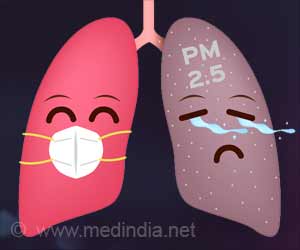
Exposure to Air Pollution Causes Your Lungs to Age Faster and Increases Lung Disease Risk
Exposure to outdoor air pollution causes faster aging of lung tissue, reduce lung function and increase the risk of developing the chronic obstructive pulmonary disease (COPD).
Exposure to outdoor air pollution causes faster aging of lung tissue, reduce lung function and increase the risk of developing the chronic obstructive pulmonary disease (COPD).
Data also showed there were surges in hospital admissions for all of the health outcomes studied with each additional unit of increase in particulate matter.

World Environment Day - Together, We Can Beat Air Pollution
World Environment Day (WED) observed annually on the 5th June aims to spread awareness about the dangers of environmental pollution and is a wake-up call to all of us to do our part to preserve and protect our environment.
World Environment Day (WED) observed annually on the 5th June aims to spread awareness about the dangers of environmental pollution and is a wake-up call to all of us to do our part to preserve and protect our environment.
There was an increased risk of stroke and atrial fibrillation associated with long-term exposure to nitrogen dioxide.
Pneumonia was the only health outcome in the study that seemed impacted by long-term exposure to ozone; however, researchers note there are currently no national guidelines denoting safe or unsafe long-term ozone levels.
"When we restricted our analyses to individuals who were only exposed to lower concentrations of air pollution, we still found increased risk of hospital admissions with all of the studied outcomes, even at concentration levels below current national standards," added Yazdi.
Source-IANS
 Email
Email