MEDINDIA
 English
 हिन्दी
 Español
 français
 中文
中文
Compared with adolescents living with parents, adolescents separated from their fathers are more likely to report depressive symptoms 4 to 6 months post-separation.

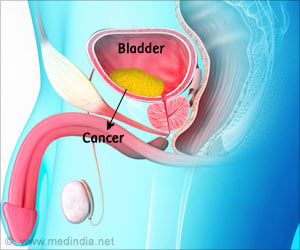
Mental Health Status Prior to Bladder Cancer Surgery Influences Postoperative Outcomes
Patients whose self-assessment of mental health was low suffered more high grade complications in the 30 days following radical cystectomy.
Patients whose self-assessment of mental health was low suffered more high grade complications in the 30 days following radical cystectomy.
TOP INSIGHT

Adolescents who are separated from their fathers may need informal support or therapy to prevent further progression of depressive symptoms.
At each year of high school, they answered a questionnaire every three months measuring indicators of mental health, including depressive symptoms, worry, and stress about family relationships, and the family situation.
Compared with adolescents living with both parents, adolescents separated from their fathers were more likely to report depressive symptoms four to six months post-separation, as well as worry or stress about their parents separating or divorcing, a new family, the family financial situation, and their relationship with their father.
Exposure To Violence In Mexico Affects Mental Health Of Children
The prevalence of issues like depression, aggression, anxiety, withdrawal and attention deficit disorder were three times higher in children living in Juarez.
The prevalence of issues like depression, aggression, anxiety, withdrawal and attention deficit disorder were three times higher in children living in Juarez.
Another hypothesis suggested by the professor is that the adolescents feel greater anxiety regarding the additional challenge their mother must face by taking on greater family responsibilities.

Father's Diet Linked to the Mental Health and Overall Well-Being of Offspring
It is important for both mothers and fathers to consider their environment and things such as diet, alcohol consumption and smoking, before conceiving.
It is important for both mothers and fathers to consider their environment and things such as diet, alcohol consumption and smoking, before conceiving.
The authors of the study write that "separated parents and their adolescents can be reassured by the results of the study, which show that depression symptoms are usually transient following separation." Nevertheless, they call for greater vigilance among all those in direct contact with young adults whose parents have recently separated - families, teachers, trainers, friends, and family physicians. "They may need informal support or therapy to prevent further progression of depressive symptoms and the development of more serious mental health problems," O'Loughlin concluded.

Anxiety, Mental Health Risks also Found in New Dads
Men can feel left out at the process of arrival of a new baby, because pregnancy and childbirth are integrally linked to the mother.
Men can feel left out at the process of arrival of a new baby, because pregnancy and childbirth are integrally linked to the mother.
 Email
Email