MEDINDIA
 English
 हिन्दी
 Español
 français
 中文
中文
Broad-spectrum antiviral agents like teicoplanin, oritavancin, dalbavancin and monensin could provide a possible quick response to the potential COVID-19 pandemic.
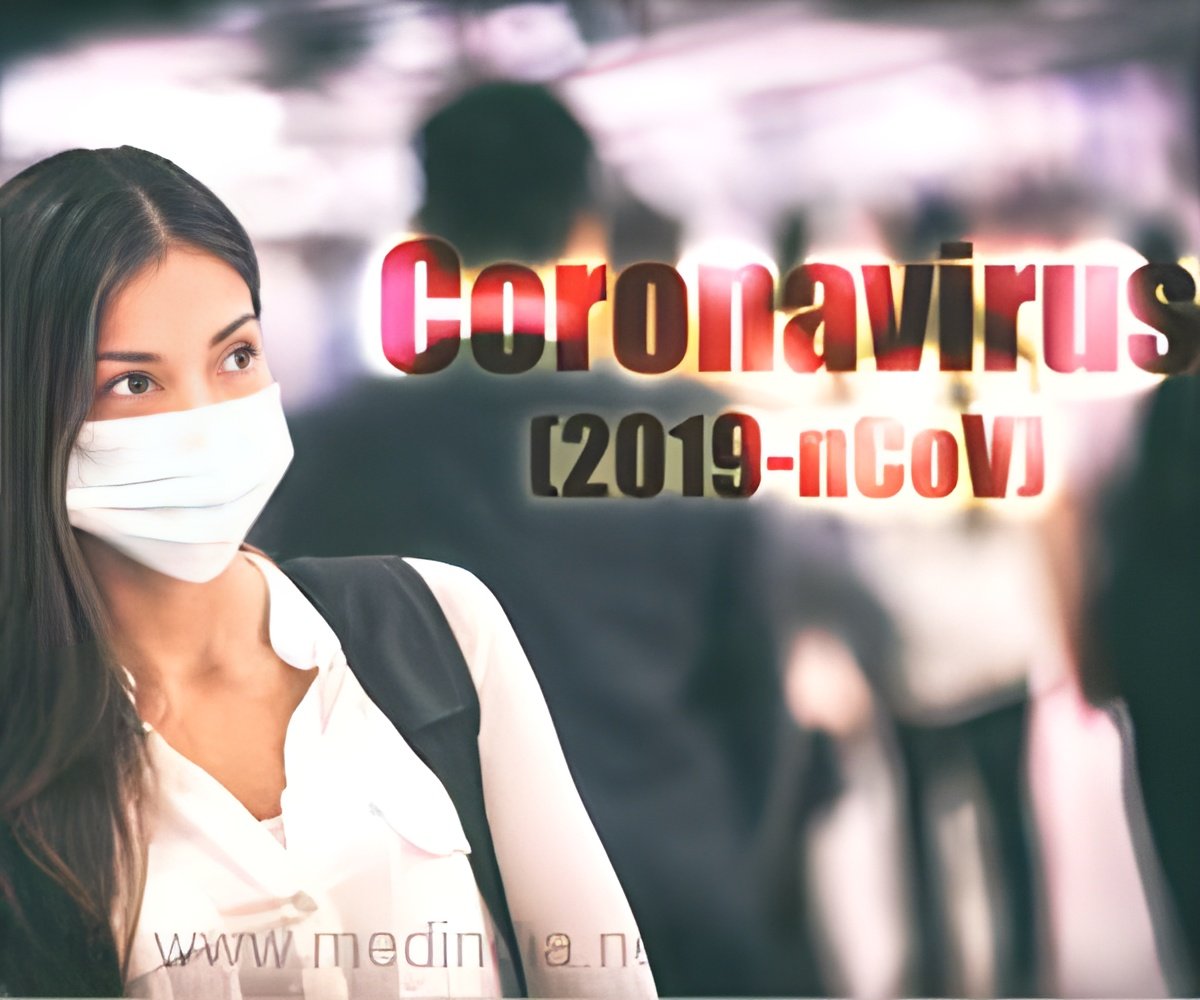
Coronavirus
Coronaviruses infect animals, humans, and birds. Human coronaviruses, such as SARS, MERS, and 2019-nCoV cause respiratory distress and even death. The S protein is the infectious agent of the virus.
Coronaviruses infect animals, humans, and birds. Human coronaviruses, such as SARS, MERS, and 2019-nCoV cause respiratory distress and even death. The S protein is the infectious agent of the virus.
TOP INSIGHT

31 out of 120 broad spectrum antiviral drugs that were safe for human use and freely accessible, could be possible candidates for prophylaxis and treatment of the COVID-19 infections.
Read More..
"For example, teicoplanin, oritavancin, dalbavancin and monensin are approved antibiotics that have been shown to inhibit corona- and other viruses in the laboratory."
Kainov and his co-authors say that these and other already tested "safe-in-man" broad-spectrum antiviral drugs are good candidates for treating the disease to start with, given that there are currently no treatments for the new coronavirus, which is called COVID-19 by the World Health Organization (WHO).
The WHO says the virus "can cause mild symptoms including a runny nose, sore throat, cough, and fever. It can be more severe for some persons and can lead to pneumonia or breathing difficulties. More rarely, the disease can be fatal.
Older people, and people with pre-existing medical conditions (such as, diabetes and heart disease) appear to be more vulnerable to becoming severely ill with the virus."
"Therefore, repositioning of launched or even failed drugs to viral diseases provides unique translational opportunities, including a substantially higher probability of success to market as compared with developing new virus-specific drugs and vaccines, and a significantly reduced cost and timeline to clinical availability," the researchers wrote.
Thirty-one of these were found by the researchers to be possible candidates for prophylaxis and treatment of the COVID-19 infections. The researchers also found that clinical investigations have recently begun of five possible drug candidates to treat the COVID-19 virus.
"In the future, BSAAs will have global impact by decreasing morbidity and mortality from viral and other diseases, maximizing the number of healthy life years, improving the quality of life of infected patients and decreasing the costs of patient care," the researchers concluded.
Source-Eurekalert
 Email
Email