MEDINDIA
 English
 हिन्दी
 Español
 français
 中文
中文
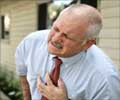
Heart attack patients who take part in a lifestyle improvement program feel better, especially when they do additional physical activity.

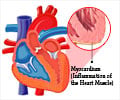
What is a Heart Attack | How to Prevent Heart Attacks - Myocardial Infarction Smoking
Heart attack is the death of the heart muscle due to loss of blood supply. Simple guidelines to avoid heart attack are listed.
Heart attack is the death of the heart muscle due to loss of blood supply. Simple guidelines to avoid heart attack are listed.
TOP INSIGHT

All heart attack patients should be referred for cardiac rehabilitation unless their healthcare professional advises against it.
This study investigated the impact of those classes on how heart attack patients feel about their physical and mental health (collectively termed 'health-related quality of life'). Heart attacks have a detrimental effect on the quality of life, including problems with mobility, self-care, and daily activities which many people take for granted such as work and leisure.
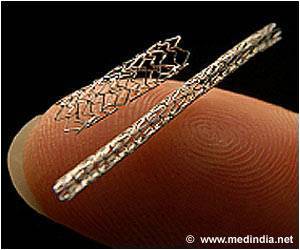
Previous research has shown a link between cardiac rehabilitation and improved quality of life in heart attack patients. However, most of these studies were conducted prior to modern drugs and procedures such as statins to lower 'bad' cholesterol and stents to open clogged arteries.

Artificial Intelligence Helps Predict Heart Attack and Stroke
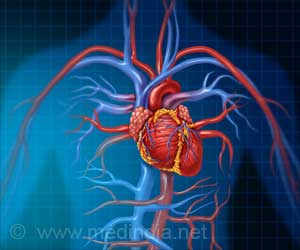
Artificial intelligence (AI) can measure blood flow instantly and accurately. AI can help predict the chances of death, heart attack and stroke. Also, can be used by doctors to help recommend treatments which could improve a patient's blood flow.
Artificial intelligence (AI) can measure blood flow instantly and accurately. AI can help predict the chances of death, heart attack and stroke. Also, can be used by doctors to help recommend treatments which could improve a patient's blood flow.
Patients who attended cardiac rehabilitation had a higher quality of life at all time points compared to those who did not. Patients who went to cardiac rehabilitation and exercised 150 minutes or more per week had an even higher quality of life scores compared to those who did neither.

Cycling, Walking to Work can Reduce Heart Attack Risk
Attention, Workaholics: Walking and cycling to work regularly can lower the risk of getting a heart attack. So, hurry up, let's start walking and pedaling towards better heart health.
Attention, Workaholics: Walking and cycling to work regularly can lower the risk of getting a heart attack. So, hurry up, let's start walking and pedaling towards better heart health.
Professor Chris Gale, senior author from the University of Leeds, concluded: "All heart attack patients should be referred for cardiac rehabilitation unless their healthcare professional advises against it. If it isn't discussed, speak to your local healthcare professional to see if it is suitable for you."

Fish Oil, Vitamin D can Reduce Cancer, Heart Attack Risk
Taking vitamin D & fish oil supplements can prevent cancer and heart attacks, reveals a new study.
Taking vitamin D & fish oil supplements can prevent cancer and heart attacks, reveals a new study.
 Email
Email