MEDINDIA
 English
 हिन्दी
 Español
 français
 中文
中文
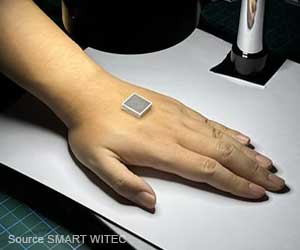
The person-on-a-chip technology, called AngioChip, offers a powerful platform for testing new drugs and also be used to repair or replace damaged organs.
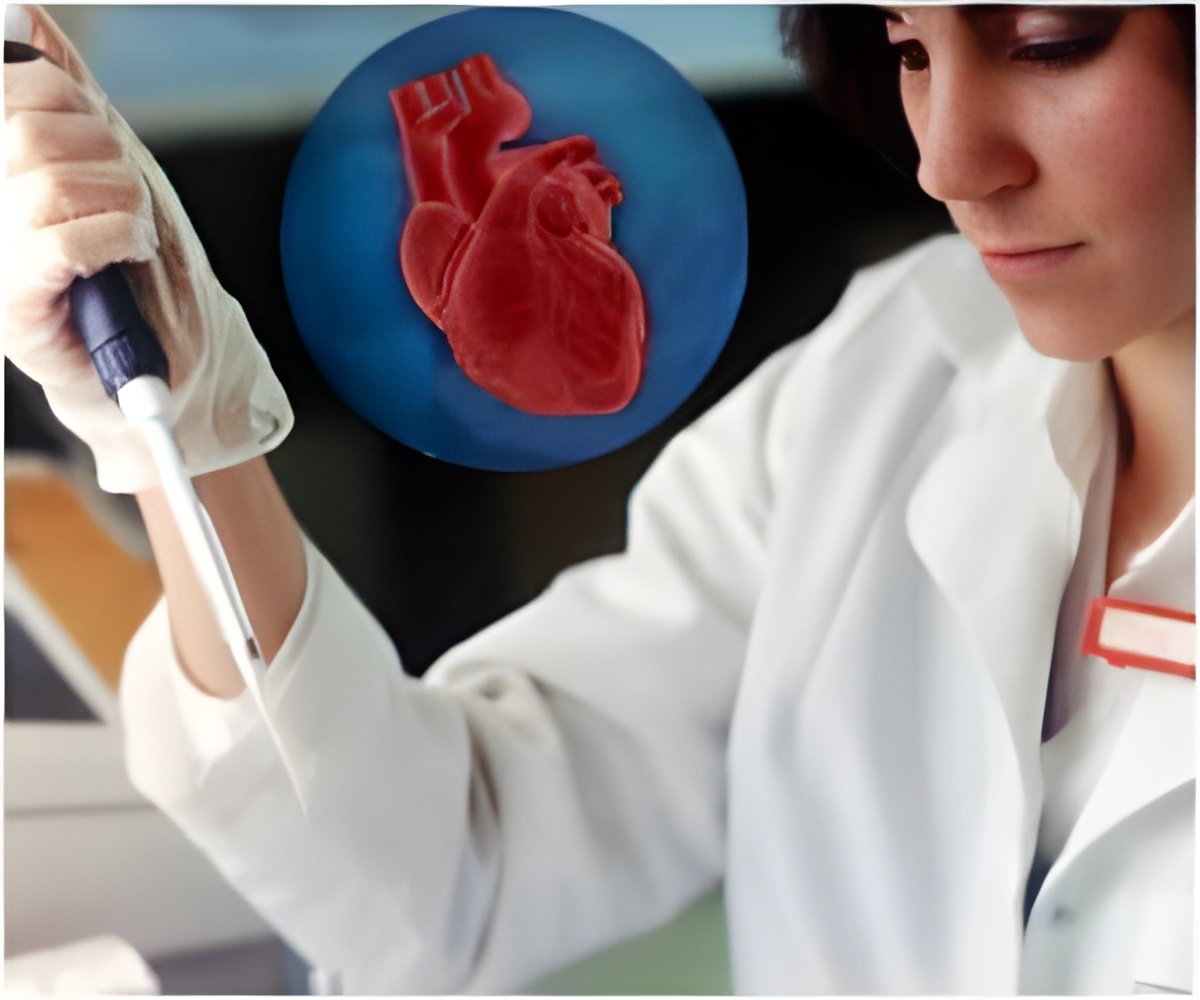

Experimental 3-D Printed Heart Model Used by Surgeons to Treat Patients With Heart Disorders
A research presented at the American Heart Association's Scientific Sessions 2014 states that a 3-D printed model of the heart may help surgeons treat patients with complicated heart disorders.
A research presented at the American Heart Association's Scientific Sessions 2014 states that a 3-D printed model of the heart may help surgeons treat patients with complicated heart disorders.
TOP INSIGHT

The 3D heart and liver models can be used for discovering and testing new drugs and repair or replace damaged organs.
"It behaves just like vasculature, and around it there is a lattice for other cells to attach and grow," Radisic noted.
Out of POMaC, a polymer that is both biodegradable and biocompatible, the researchers built a scaffold for individual cells to grow.
Scientists Develop Fully Functioning Heart Model of Baby in the Womb
A new technology emerging from The University of Nottingham in a study, is helping scientists to develop the first comprehensive model of a fully functioning fetal heart.
A new technology emerging from The University of Nottingham in a study, is helping scientists to develop the first comprehensive model of a fully functioning fetal heart.
The layers, which resemble the computer microchips, are then stacked into a 3D structure of synthetic blood vessels. As each layer is added, UV (ultraviolet) light is used to cross-link the polymer and bond it to the layer below.

First 3D Anatomic Heart Model Printed Using Multiple Imaging Techniques
Experts used the integration of computed tomography (CT) and 3D transesophageal echocardiography (3DTEE) to successfully print a hybrid 3D model of heart.
Experts used the integration of computed tomography (CT) and 3D transesophageal echocardiography (3DTEE) to successfully print a hybrid 3D model of heart.
"Our liver actually produced urea and metabolized drugs," Radisic pointed out.

Aerobic Fitness Can Prevent Alcohol-Induced Liver Damage
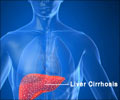
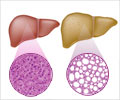
Excessive alcohol consumption can lead to chronic liver problems such as fatty liver disease and cirrhosis.
Excessive alcohol consumption can lead to chronic liver problems such as fatty liver disease and cirrhosis.
In future, Radisic envisions her lab-grown tissues being implanted into the body to repair organs damaged by disease.
"It really is multifunctional, and solves many problems in the tissue engineering space," Radisic said.
"It's truly next generation," she noted.
The work was published in the journal Nature Materials.
Source-IANS
 Email
Email