MEDINDIA
 English
 हिन्दी
 Español
 français
 中文
中文
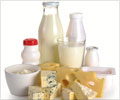
Diet modifications such as including more cheese and wine have a positive neuroprotective impact against cognitive decline, according to a new study.

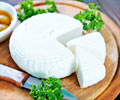
Health Benefits of Cottage Cheese (Paneer)
Cottage cheese is often disregarded because of its mild & almost bland taste. However, there are plenty of healthy recipes that taste great and offer you all the health benefits of cottage cheese.
Cottage cheese is often disregarded because of its mild & almost bland taste. However, there are plenty of healthy recipes that taste great and offer you all the health benefits of cottage cheese.
TOP INSIGHT

Cheese consumption had a neuroprotective impact against cognitive decline. Daily moderate consumption of red wine was linked to improvements in cognitive function.
Participants performed a Fluid Intelligence Test (FIT) as part of a touchscreen questionnaire at baseline (between 2006-2010) and then in two follow-up evaluations (from 2012 through 2013 and again between 2015 and 2016). The Fluid Intelligence Test analysis provides an in-time snapshot of an individual's ability to "think on the fly."
Participants also responded to questions about their food and alcohol consumption at baseline and through two follow-up assessments. The Food Frequency Questionnaire asked volunteers about their intake of raw vegetables, fresh fruit, dried fruit, and salad, cooked vegetables, processed meat, poultry, oily fish, lean fish, beef, lamb, pork, cheese, bread, cereal, tea, and coffee, beer and cider, white wine, red wine, and champagne, and liquor.
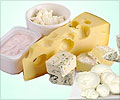
Pick The Right Cheese
Cheese is a good source of calcium and protein. A small cube of it can be an apt high protein snack option.
Cheese is a good source of calcium and protein. A small cube of it can be an apt high protein snack option.
- Cheese, by far, was shown to be the most protective food against age-related cognitive problems, even late into life;
- The daily consumption of alcohol, especially red wine, was related to improvements in cognitive function;
- Weekly consumption of lamb, but not other red meats, was shown to promote long-term cognitive prowess; and
- Excessive salt consumption is bad, but only people already at risk for Alzheimer's Disease may need to watch their consumption to avoid cognitive problems over time.
"I was really surprised that our results suggest that responsibly eating cheese and drinking red wine every day are not just good for helping us cope with our current coronavirus pandemic, but perhaps also dealing with an increasingly complicated world that never seems to slow down," Willette stated.

Anti-Ageing and Benefits of Red Wine-Starve and Live Long-Resveratrol Benefits
Ageing process has always been an enigma. Recent research indicates that red wine could delay the process.
Ageing process has always been an enigma. Recent research indicates that red wine could delay the process.
Source-Medindia

Anti-Aging Treatment with Vinotherapy or Wine Facials
Experience the bliss of vinotherapy - the power of grapes for a kissable skin.
Experience the bliss of vinotherapy - the power of grapes for a kissable skin.
 Email
Email