MEDINDIA
 English
 हिन्दी
 Español
 français
 中文
中文
A new neuropathy measurement tool was developed to quantify and treat neuropathy symptoms in cancer patients and was found to be reliable and valid.
Peripheral Neuropathy - Types, Causes, Symptoms, Diagnosis, Treatment & Prevention
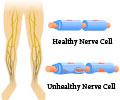
Peripheral neuropathy is a condition that causes weakness, numbness and pain, especially in the limbs as a result of damage to the peripheral nerves.
Peripheral neuropathy is a condition that causes weakness, numbness and pain, especially in the limbs as a result of damage to the peripheral nerves.
TOP INSIGHT

Neuropathy measurement tool, a questionnaire can be used in the identification, diagnosis and treatment of neuropathy symptoms in cancer patients.
Neuropathy can drastically diminish the quality of life--and in extreme cases, may necessitate chemotherapy dose reductions.
Unfortunately, neuropathy often goes underreported and untreated, said Ellen Lavoie Smith, associate professor at the University of Michigan School of Nursing. This happens because clinicians and researchers don't have a valid, standardized way to measure symptoms or the effectiveness of neuropathy treatments. Right now, the drug Cymbalta (duloxetine) is the only drug FDA-approved to treat painful neuropathy symptoms.

First Chemotherapy Drug to Prevent Neuropathy
New neuropathic pain molecule discovered that may prevent the onset of peripheral neuropathy that usually follows chemotherapy treatment in cancer patients.
New neuropathic pain molecule discovered that may prevent the onset of peripheral neuropathy that usually follows chemotherapy treatment in cancer patients.
"If we don't have a reliable measurement tool, we can't know if the interventions are effective or not," said Smith.

New Treatment For Peripheral Neuropathy
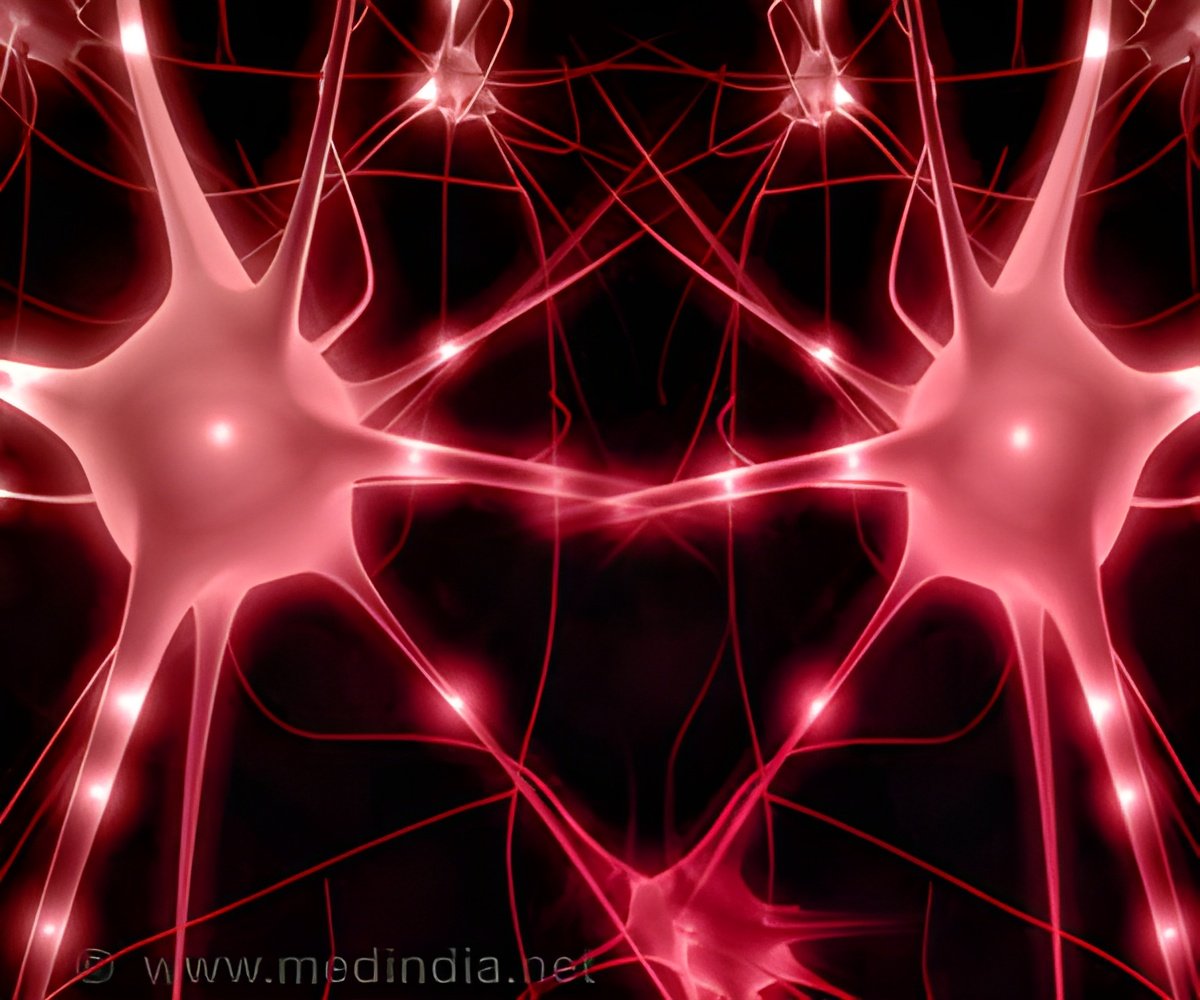
Peripheral Neuropathy is the damage that occurs to the peripheral nervous system. Blocking the neuron signaling pathway can provide treatment.
Peripheral Neuropathy is the damage that occurs to the peripheral nervous system. Blocking the neuron signaling pathway can provide treatment.
Smith's lab wanted to find a better way to quantify neuropathy symptoms and treatment efficacy.

Neurofeedback Could Reduce Chemotherapy-Induced Neuropathy Pain
Neurofeedback or functional brain training shows promise in reducing chemotherapy-induced peripheral neuropathy in cancer survivors.
Neurofeedback or functional brain training shows promise in reducing chemotherapy-induced peripheral neuropathy in cancer survivors.
The neuropathy measurement tool Smith examined in her research is a questionnaire developed in Europe and owned by an international research network. It's a patient-reported outcome measure called the European Organisation for Research and Treatment of Cancer Quality of Life Questionnaire Chemotherapy-Induced Peripheral Neuropathy Scale (QLQ-CIPN20).37.
Findings suggest that with minor revisions, it could be universally adopted in both labs and doctors' offices to help researchers and clinicians quantify and treat this painful condition.
Six previous publications provide evidence supporting the tool's effectiveness. However, two studies provide conflicting evidence about the instrument's validity, and another study suggests that minor revisions could improve that.
Some researchers use the questionnaire now, but for a variety of reasons it's not used in the clinic with cancer patients, said Smith.
"The next step is for researchers worldwide to consider using the same tool because then the results from one researcher can be compared directly with results from the next," she said.
Source-Eurekalert
 Email
Email