MEDINDIA
 English
 हिन्दी
 Español
 français
 中文
中文

Early-life respiratory syncytial virus infection increases the chances of developing asthma, especially in infants with inherited allergy risk.
Highlights:
Early-infancy infection with respiratory syncytial virus markedly raises the likelihood of developing childhood asthma, with the impact being strongest in infants who already carry a family-related vulnerability to allergy or asthma (1✔ ✔Trusted Source- Early-life respiratory syncytial virus infection sharply increases childhood asthma risk
- Genetic allergy vulnerability amplifies immune overreaction to everyday allergens
- Protecting newborns from respiratory syncytial virus may prevent long-term asthma development
Maternal allergy and neonatal RSV infection synergize via FcR-mediated allergen uptake to promote the development of asthma in early life
Go to source). Belgian scientists from VIB and Ghent University, working with Danish partners, present this evidence in Science Immunology, highlighting that shielding newborns from respiratory syncytial virus could meaningfully lower later asthma incidence.
Across Europe, 5–15 percent of children live with asthma—an enduring condition that affects daily functioning, creates long-term strain for families, and contributes to major public health expenses. Preventing asthma before symptoms take hold has therefore become a critical health objective.
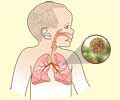
RSV (Respiratory Syncytial Virus) in Children
Respiratory syncytial virus (RSV) is a major cause of lower respiratory tract infections. RSV infection is usually mild and self-limiting but symptoms may be severe in young children, the elderly and those with a weak immunity.
Respiratory syncytial virus (RSV) is a major cause of lower respiratory tract infections. RSV infection is usually mild and self-limiting but symptoms may be severe in young children, the elderly and those with a weak immunity.
TOP INSIGHT

Did You Know?
Preventing #respiratorysyncytial virus in newborns may stop asthma before it starts.
#asthma #newborns RSV #medindia
Early-Life Viral Exposure and Genetic Susceptibility
"Childhood asthma is shaped by multiple interacting influences," notes Prof. Bart Lambrecht of the VIB-Ghent University Center for Inflammation Research, senior author of the work. "Our findings show that respiratory syncytial virus infection in the first months of life and inherited allergy tendency converge in a specific way that steers the immune system toward asthma. The positive message is that this trajectory can be stopped."By integrating population-wide health registry information from all children in Denmark and their parents with controlled laboratory investigations, the team uncovered the combined role of early infection and inherited allergy vulnerability.

Respiratory Syncytial Virus (RSV) Vaccination Guidelines for Pregnant Women
When should pregnant women get the RSV vaccine? Research suggests that 32 weeks into pregnancy ensures the best antibody transfer to protect newborns from RSV.
When should pregnant women get the RSV vaccine? Research suggests that 32 weeks into pregnancy ensures the best antibody transfer to protect newborns from RSV.
How Infection and Inheritance Interact
Infants exposed to severe respiratory syncytial virus infections early in life display a greater chance of immune cells responding excessively to common allergens like house dust mites. This reaction becomes substantially stronger when asthma or allergy is present in the family, as allergen-targeted antibodies transferred from parents to the newborn further intensify responsiveness.The researchers also observed that newborns protected from respiratory syncytial virus in experimental models did not develop these immune disturbances, and asthma onset was prevented.
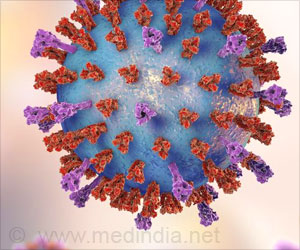
Nanobodies Found Effective in Respiratory Syncytial Virus
Nanobodies are used for the treatment of respiratory syncytial virus and are effective in preventing the virus from entering the lung cells.
Nanobodies are used for the treatment of respiratory syncytial virus and are effective in preventing the virus from entering the lung cells.
Prevention Measures and Public Health Potential
"With preventive tools for respiratory syncytial virus becoming broadly available, we have a chance to support long-term respiratory health rather than only avoiding hospital admissions," explains Prof. Hamida Hammad of VIB-Ghent University, co–senior author. "This is not simply a laboratory observation but guidance that can help parents choose respiratory syncytial virus protection with assurance."Maternal immunization during the final trimester of pregnancy and administration of long-lasting antibodies to newborns are being implemented in more regions. Despite their strong ability to prevent severe respiratory syncytial virus disease, adoption remains uneven.
"This is a moment for alignment among policymakers, scientists, and pediatricians," adds Lambrecht. "If preventing respiratory syncytial virus also cuts down asthma risk, the advantages for households and health systems could be substantial."
In conclusion, the findings reveal a strong connection between early-life respiratory syncytial virus infection, inherited allergy risk, and the development of childhood asthma. By preventing respiratory syncytial virus exposure in the earliest months of life, it may be possible to interrupt this harmful immune pathway and meaningfully reduce future asthma cases.
Reference:
- Maternal allergy and neonatal RSV infection synergize via FcR-mediated allergen uptake to promote the development of asthma in early life - (https://www.science.org/doi/10.1126/sciimmunol.adz4626)
Source-Medindia
 Email
Email