MEDINDIA
 English
 हिन्दी
 Español
 français
 中文
中文
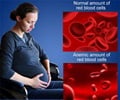
Poor fetal growth during the first three months of pregnancy is one of the risk factors associated with a range of cardiovascular diseases in childhood, say researches published on BMJ.
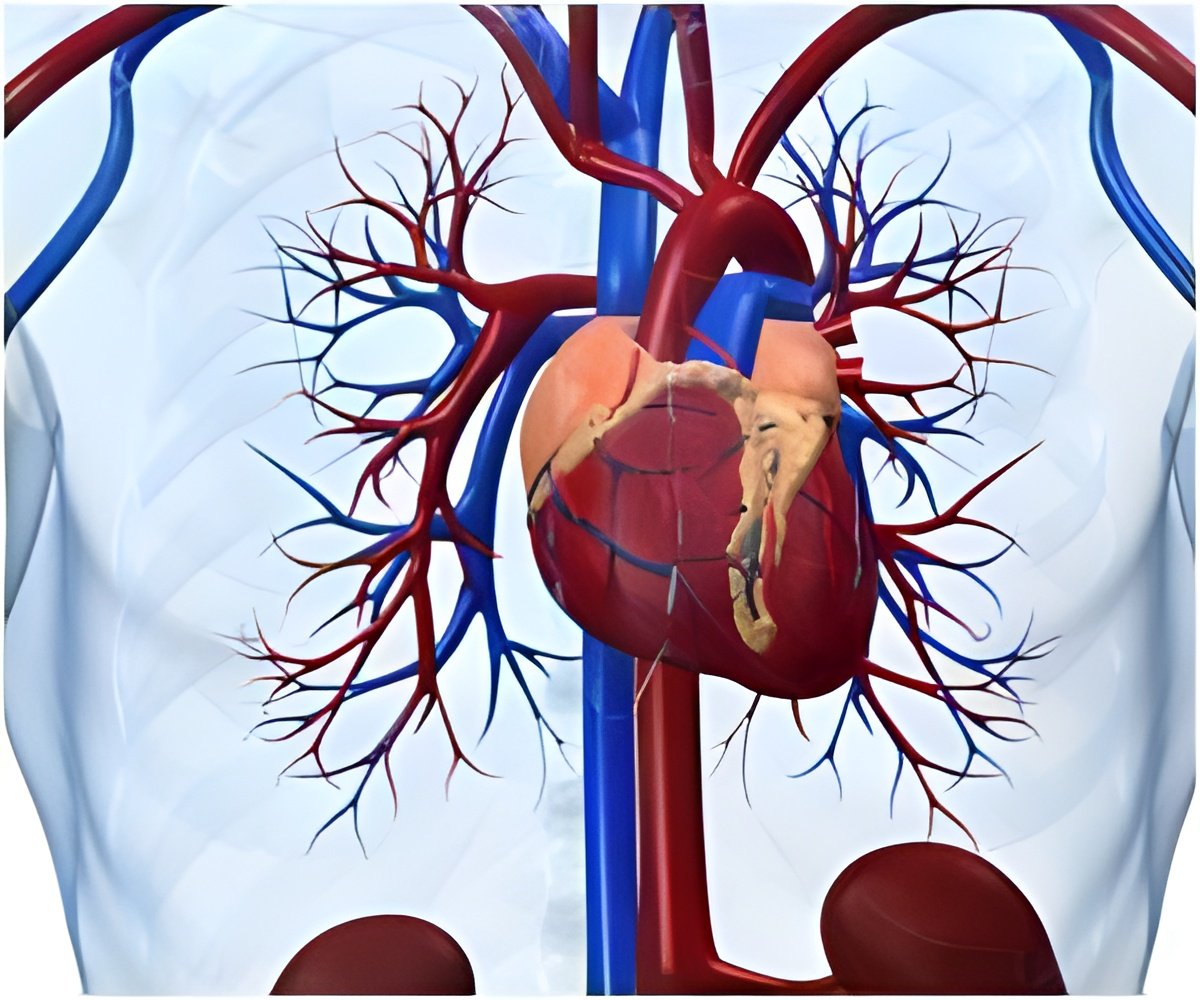

What is a heart attack / How to prevent heart attacks
Heart attack is the death of the heart muscle due to loss of blood supply. Simple guidelines to avoid heart attack are listed.
Heart attack is the death of the heart muscle due to loss of blood supply. Simple guidelines to avoid heart attack are listed.
"Further studies are needed to identify the underlying causal biological mechanisms and long term consequences," they add. Future strategies to improve cardiovascular health "may start from early pregnancy onwards or even before conception," they conclude. In an accompanying editorial, Professor Gordon Smith and Catherine Aiken from the University of Cambridge say despite some limitations, this study adds to a growing body of evidence that fetal growth restriction is associated with an increased risk of cardiovascular – and many other – diseases in later life. But they add "we need a deeper understanding of the strength, nature and mechanisms of the reported associations before rushing to intervene."
Source-Eurekalert

Animation of heart attack symptoms
Heart attack can cause symptoms such as Chest pain or discomfort, Shortness of breath and pain in neck, back, arm, or shoulder and is due to blockage of blood supply to the heart muscles
Heart attack can cause symptoms such as Chest pain or discomfort, Shortness of breath and pain in neck, back, arm, or shoulder and is due to blockage of blood supply to the heart muscles

Quiz on Healthy Heart
Heart disease is a major killer worldwide in spite of major strides in the medical field in terms of research, diagnosis, treatment and pharmacology. HIV/AIDS and Alzheimer’s disease are vying for popular attention these days and people tend to sideline or neglect healthy heart awareness. Take our quiz and refresh your awareness on heart disease.
Heart disease is a major killer worldwide in spite of major strides in the medical field in terms of research, diagnosis, treatment and pharmacology. HIV/AIDS and Alzheimer’s disease are vying for popular attention these days and people tend to sideline or neglect healthy heart awareness. Take our quiz and refresh your awareness on heart disease.

Spotting Fetal Growth Problems Early Could Cut Stillbirths
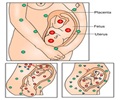
Detecting foetal growth in the womb early could reduce stillbirths in UK and save 600 babies a year, say researchers.
Detecting foetal growth in the womb early could reduce stillbirths in UK and save 600 babies a year, say researchers.
 Email
Email