MEDINDIA
 English
 हिन्दी
 Español
 français
 中文
中文
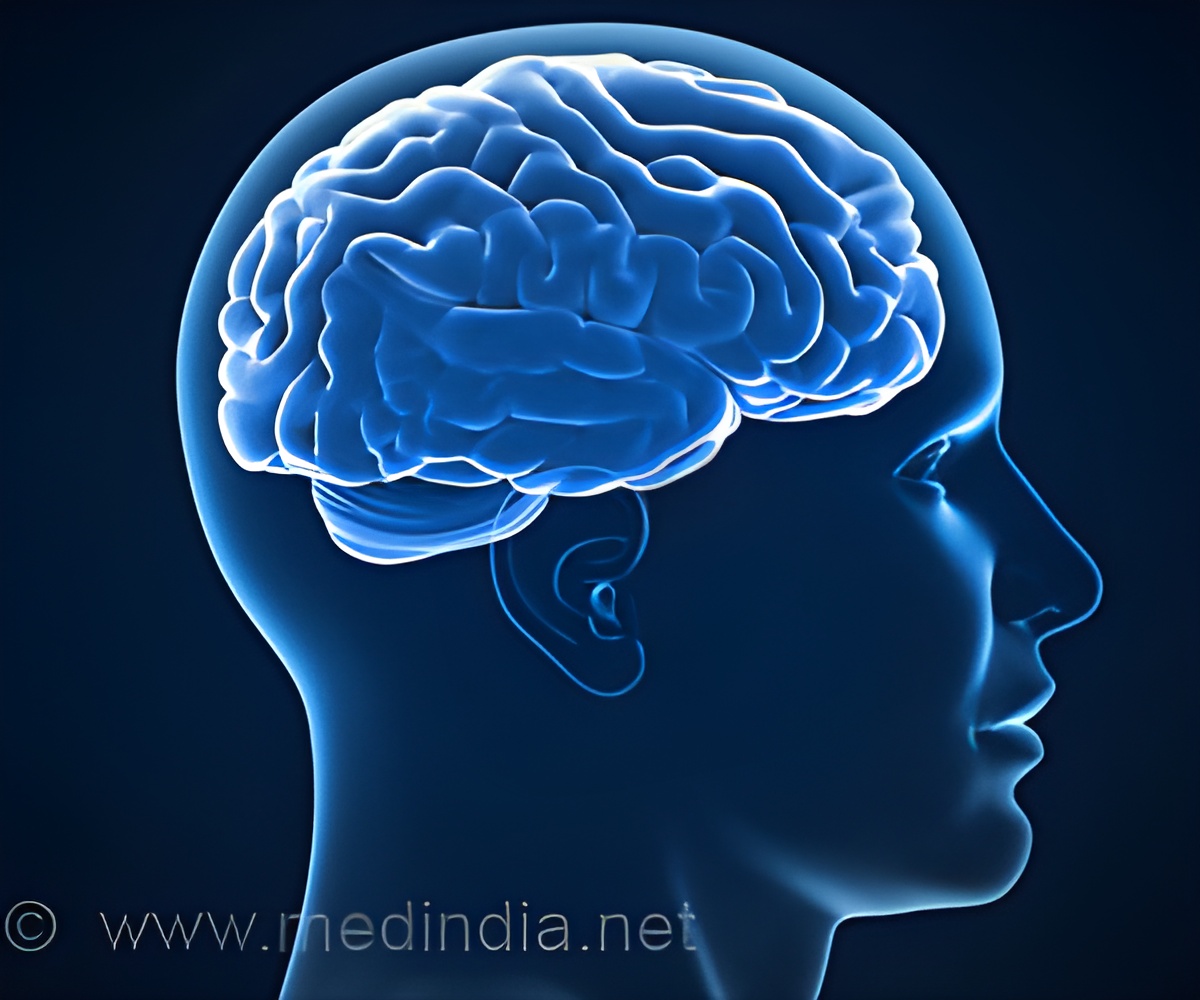
In people exposed to early life adversity the poor function of microglia promotes aberrant responses to stress that may be associated with mental illness.

Interesting Facts on Stress
Response given by the body to any kind of demand is called stress. Both good and bad experiences can cause stress. Knowing how to manage stress is important for physical and mental well-being.
Response given by the body to any kind of demand is called stress. Both good and bad experiences can cause stress. Knowing how to manage stress is important for physical and mental well-being.
TOP INSIGHT

Targeting neuroimmune interaction during brain circuit maturation may provide treatment.
Brain development is governed by both genetics and early life experiences. Several mental illnesses, characterized by aberrant reactions to stress, often arise after ELA but its effect on stress-related brain circuit maturation was unclear. In the study, led by UCI Postdoctoral Fellow Jessica Bolton, who is now an Assistant Professor at Georgia State University, transgenic mice of both sexes were housed in temperature-controlled, quiet, uncrowded conditions on a schedule of 12 hours of light and 12 hours of dark, with free access to food and water. The control dams were place in cages with standard amounts of corn husk bedding and nesting material. The ELA dams received only one-half nestlet and reduced bedding materials.
Researchers found that ELA increased functional excitatory synapses onto stress-sensitive hypothalamic corticotropin-releasing hormone-(CRH) expressing neurons, resulting from disrupted developmental synapse pruning by adjacent microglia in the mouse pups. These neuroimmune interactions during development thus made the CRH cells, and they mice, more vulnerability to stress.
Quiz on Stress
Stress has become one of the major health concerns in the modern world, but it is still difficult to define. Stress is a normal physical response when faced with a challenge, and in small doses, stress can motivate us and drive us to better performance. But stress overload is typically described as a negative concept that can have an impact on a person’s mental and physical well-being ().
There are 10 questions on ‘Stress’ in this quiz that will explore the depth of your knowledge and provide answers to the following:
Introduction
There are 10 questions on ‘Stress’ in this quiz that will explore the depth of your knowledge and provide answers to the following:
- Symptoms of stress ()
- Stress hormone ()
- Complication of chronic stress ()
- Phobia ()
- Post-Traumatic Stress Disorder ()

Brilliant Human Brain
The most amazing and complex organ in the entire universe, the human brain continues to remain an enigma.
The most amazing and complex organ in the entire universe, the human brain continues to remain an enigma.
Source-Eurekalert

Past Mental Illness History Induces Future Conditions
History of neurological or psychiatric conditions along with sexual influence increases the likelihood of developing more conditions.
History of neurological or psychiatric conditions along with sexual influence increases the likelihood of developing more conditions.
 Email
Email