MEDINDIA
 English
 हिन्दी
 Español
 français
 中文
中文
Exam success isn’t just about ability—family income, gender, and early development shape results. Education & health policies must work together!
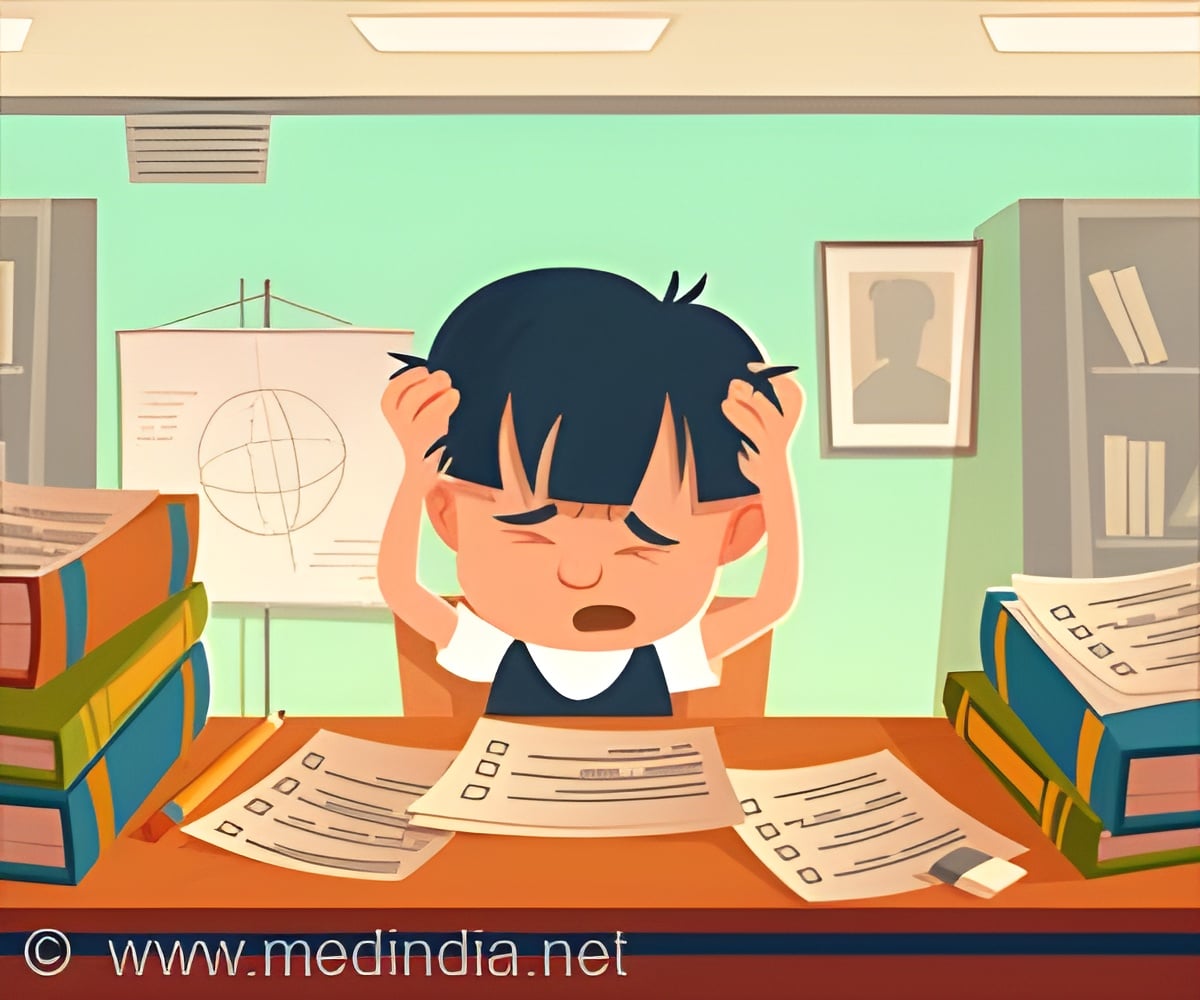
Impact of child socioemotional and cognitive development on exam results in adolescence: findings from the UK Millennium Cohort Study
Go to source).
Effects of Poverty on Childhood Development can be Seen in Kids as Young as 5
Socioeconomic barriers such as poverty can cause children of color to face greater health inequities than their white counterparts, reports a new study.
Socioeconomic barriers such as poverty can cause children of color to face greater health inequities than their white counterparts, reports a new study.
TOP INSIGHT

Around 17% of poor exam results could be linked to childhood cognitive & behavioral issues. Investing in early development can change lives! #earlyeducation #studentsuccess #GCSE #medindia
Early Skills and Academic Success
Years spent in school are important for developing skills and capacity as well as for exam scores. Employment, economic well-being, social support, and health behaviors are all influenced by this development, which in turn has an impact on health.Exam results at age 16 also enhance early adult financial, vocational, and social-emotional outcomes regardless of subsequent educational achievement, highlighting the significance of skill development in the classroom.
While the development of cognitive skills, such as thinking, learning, memory, and reasoning, and socioemotional behaviours, such as social skills and self-control, during childhood have independently been associated with educational outcomes, the potential impact of their co-development isn’t clear.

Can Parenting Style Impact Your Child's Development?
Helicopter parenting hampers autonomy, leads to indecisiveness, and impairs long-term decision-making.
Helicopter parenting hampers autonomy, leads to indecisiveness, and impairs long-term decision-making.
- No problems (76.5%)
- Late emergence of socioemotional problems, from the age of 7 (10%)
- Early emergence of cognitive and socioemotional problems between the ages of 3 and 7 (just over 8.5%)
- Persistent cognitive and socioemotional problems, from the ages of 3 to 14 (5%)
Income and Parental Education Influences Exam Success
The researchers then looked at which of these children achieved a standard pass (grade 4) in 5 or more GCSE subjects at the age of 16, adjusting for potentially influential factors, such as the child’s gender, mother’s ethnicity and educational attainment, and household income.
Nature and Child Development
Recent research explored the impacts of nature play on the health and development of children aged 2-12 years, finding that nature play improved children's complex thinking skills, social skills, and creativity.
Recent research explored the impacts of nature play on the health and development of children aged 2-12 years, finding that nature play improved children's complex thinking skills, social skills, and creativity.
Compared with the ’no problem’ group, the odds of not achieving a standard GCSE pass were 2.5 times higher for the ’late socioemotional problems’ group and 4 times higher for the ‘early cognitive and socioemotional problems’ group.

Good Nutrition Positively Affects a Child's Social Development
Childhood social behavior, even adult social behavior, has a lot of implications for physical and mental health and well-being.
Childhood social behavior, even adult social behavior, has a lot of implications for physical and mental health and well-being.
Extrapolating these findings to the population as a whole, the researchers estimated that around 17% of poor exam results in adolescence might be attributable to cognitive and socioemotional behavioural problems in childhood.
This is an observational study, and as such, no firm conclusions can be drawn about causality. Further research is needed to better understand the associations found, and emphasise the researchers.
But the findings prompt them to suggest that: “Rather than focus on getting the highest ability children out of poverty through harnessing that ability to reach the highest levels of educational attainment, such as university degrees, our results support reducing adverse development in all children regardless of level of ability.”
They add: “Another policy implication is the need to move away from siloed child health and education policy to cross-sector policy development, recognising the interdependent and interconnected nature of these two major determinants of children’s futures.”
The inequalities in educational outcomes for children in England are “stark and increasing” they point out, highlighting that the difference in average English and Maths GCSE passes among 16-year-olds, between children who are eligible for free school meals and those who aren’t, is the highest it’s been in over a decade.
Reference:
- Impact of child socioemotional and cognitive development on exam results in adolescence: findings from the UK Millennium Cohort Study- (https://adc.bmj.com/content/early/2025/01/17/archdischild-2024-327963)
Source-Eurekalert
 Email
Email