MEDINDIA
 English
 हिन्दी
 Español
 français
 中文
中文
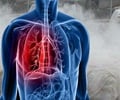
Mice that were chronically exposed to cigarette smoke had severely damaged lungs and excessive inflammation resembling those in human smokers with emphysema, stated new study.
All You Need to Know About E-cigarettes
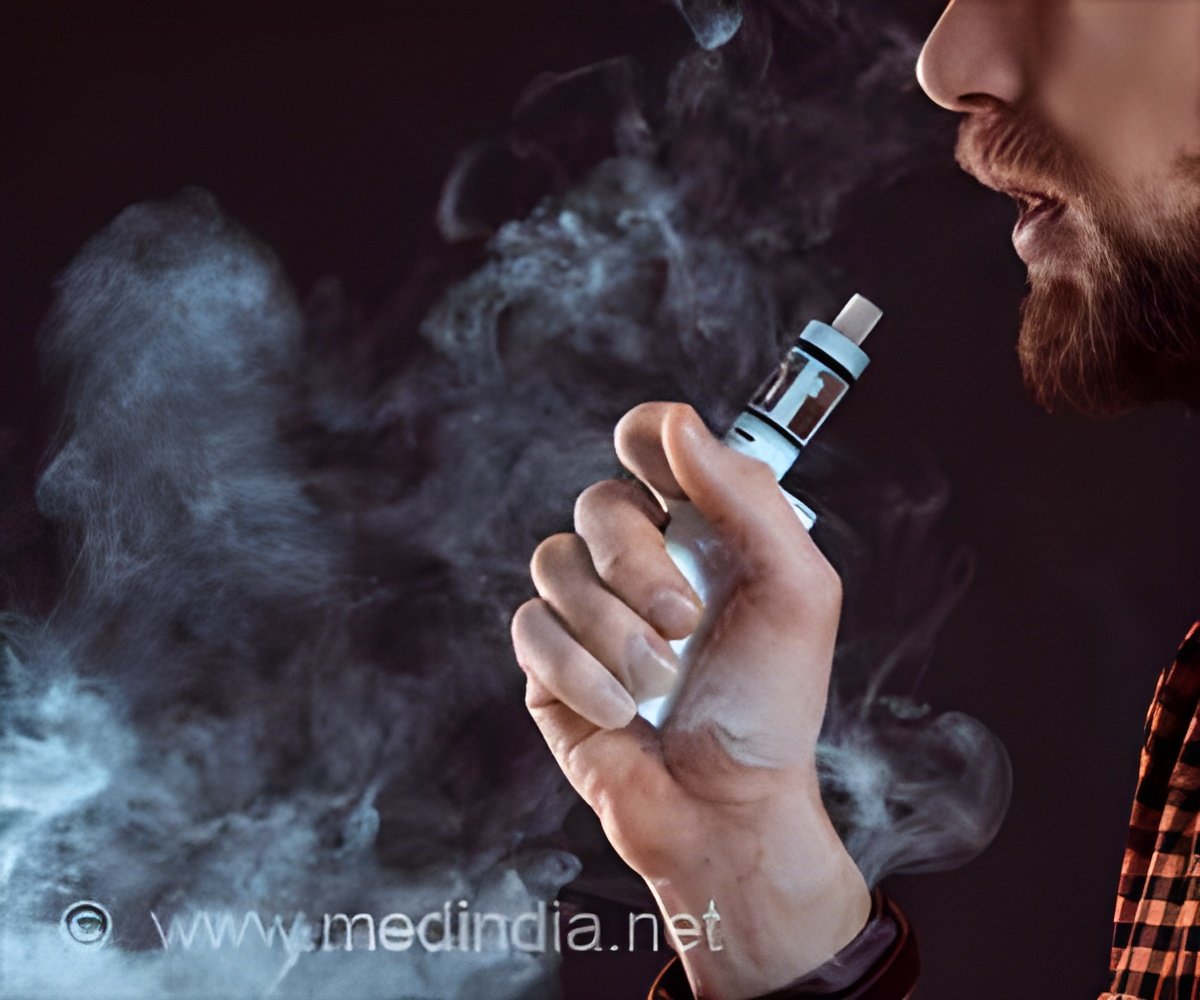
E- cigarettes, a new device to counter the disease burden of tobacco smoking.
E- cigarettes, a new device to counter the disease burden of tobacco smoking.
TOP INSIGHT

Mice that were chronically exposed to cigarette smoke had severely damaged lungs and excessive inflammation resembling those in human smokers with emphysema.
"These opposing views on the safety of e-cigarettes prompted one of my graduate students, Matthew Madison, to investigate the effects of chronic exposure to e-cigarette vapors and to conventional tobacco smoke on murine lung function," said Kheradmand, who also holds the Nancy Chang, Ph.D. Endowed Professorship for the Biology of Inflammation Center at Baylor. "We also looked at the effect of vapors or smoke on the function of immune cells called macrophages residing within the lung. These cells represent a first line of defense against viral infections such as those caused by influenza virus."
The experimental design consisted of four groups of mice. One group was exposed to e-cigarette vapors containing nicotine in the common vaping solvents propylene glycol and vegetable glycerin, in the proportions (60/40) found in e-cigarettes. A second group received vapors with only solvents but no nicotine. These groups were compared with mice exposed to tobacco smoke or to clean air.

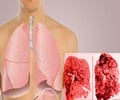
Emphysema - Causes, Types, Risk Factors, Symptoms, Diagnosis, Treatment
Emphysema is a chronic obstructive pulmonary disease, marked by alveolar damage and reduced air flow to lungs leading to breathlessness and cough.
Emphysema is a chronic obstructive pulmonary disease, marked by alveolar damage and reduced air flow to lungs leading to breathlessness and cough.
Unexpectedly, Kheradmand, Madison and their colleagues found that the treatment with e-cigarette vapors made of propylene glycol and vegetable glycerin solvents only (no nicotine), which are currently considered to be safe solvents, also damaged the lungs. In this case, the researchers did not observe inflammation and emphysema; instead, they found evidence of abnormal buildup of lipids (fats) in the lungs that disrupted both normal lung structure and function.

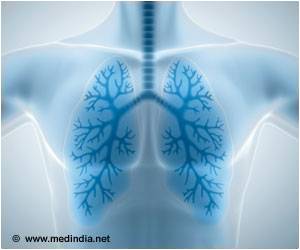
The Lungs
The lungs are our organs of respiration. It is within these, that exchange of gases takes place.
The lungs are our organs of respiration. It is within these, that exchange of gases takes place.
"In summary, our experimental findings reveal that, independent of nicotine, chronic inhalation e-cigarette vapors disrupts normal murine lung function and reduces the ability of resident immune cells to respond to infection, increasing the susceptibility to diseases such as influenza," Kheradmand said. "Our experimental findings share similarities with previous multiple case reports describing the presence of lipid-laden macrophages in pulmonary fluid from people with e-cigarette-associated pneumonia. Our results support further investigations into the solvents used in vaping."
Serious Lung Infections in Children Could be Predicted from Their Noses
Tiny organisms in a child's nose could offer clues to improving the diagnosis and treatment of severe lung infections, shows a study.
Tiny organisms in a child's nose could offer clues to improving the diagnosis and treatment of severe lung infections, shows a study.
 Email
Email