MEDINDIA
 English
 हिन्दी
 Español
 français
 中文
中文
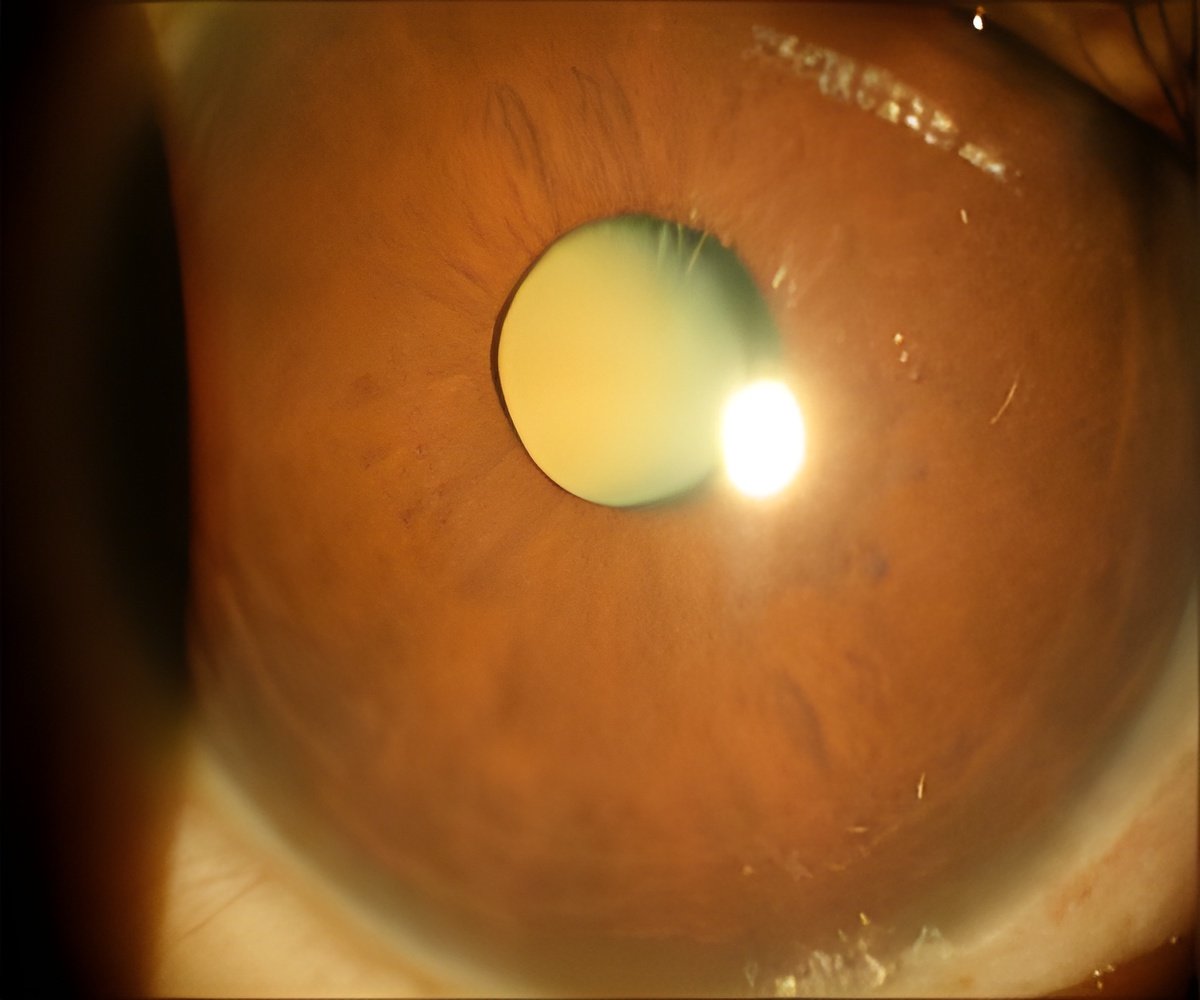
A new study shows that timely and equitable access to cataract surgery is needed to prevent injuries and promote healthy aging.
TOP INSIGHT

First eye surgery substantially improves vision in older people with cataracts, but second eye surgery is required to minimize fall incidence.
Cataract is a leading cause of vision impairment despite the effectiveness and availability of cataract surgery. Cataract-related vision impairment affects 2.7% of non-Indigenous Australians aged 50 years or more. Major disparities in access to cataract surgery have been reported in Australia and other high-income countries.
Risk of Falls Increases Between Cataract Surgeries
“Age- and sex-adjusted fall incidence before surgery was 1.17 falls per year, 0.81 per year after first eye surgery, and 0.41 per year after second eye surgery,” reported Prof. Lisa Keay, Head of the School of Optometry and Vision Science at the University of New South Wales and colleagues.For the 118 participants who underwent second eye surgery and participated in all follow-up visits, age- and sex-adjusted incidence before (0.80 falls per year) and after first eye surgery (0.81 falls per year) was similar but was lower after second eye surgery (0.32 falls per year).
Do Cataracts Go Up When Cholesterol Goes Down?
The loss of function due to genetic changes in the HMGCR gene is similar to that of cholesterol-lowering statin medication.
The loss of function due to genetic changes in the HMGCR gene is similar to that of cholesterol-lowering statin medication.
This new study adds to the body of evidence supporting investment in timely access to cataract surgery for older people, as it is cost-effective for improving vision and preventing falls.

Cataract Surgery in Infants Might Increase Risk of Glaucoma
Cataract surgery in infants may not reduce the risk of glaucoma and poses a 22 percent risk of developing glaucoma 10 years later.
Cataract surgery in infants may not reduce the risk of glaucoma and poses a 22 percent risk of developing glaucoma 10 years later.
Ideal Lifestyle for Cardiovascular Health also Benefits Eye Health
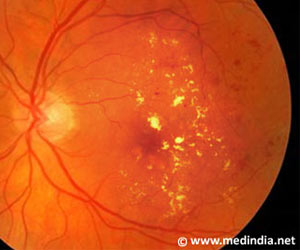
Ideal cardiovascular health, which is indicative of a healthy lifestyle, lowered the odds for ocular diseases, like age-related macular degeneration, diabetic retinopathy, cataract, and glaucoma. This shows that interventions to prevent cardiovascular diseases may also help in preventing ocular diseases.
Ideal cardiovascular health, which is indicative of a healthy lifestyle, lowered the odds for ocular diseases, like age-related macular degeneration, diabetic retinopathy, cataract, and glaucoma. This shows that interventions to prevent cardiovascular diseases may also help in preventing ocular diseases.
 Email
Email