MEDINDIA
 English
 हिन्दी
 Español
 français
 中文
中文
Feeding elephants may feel kind, but it’s fueling a crisis of disease, danger, and death — for both animals and people.
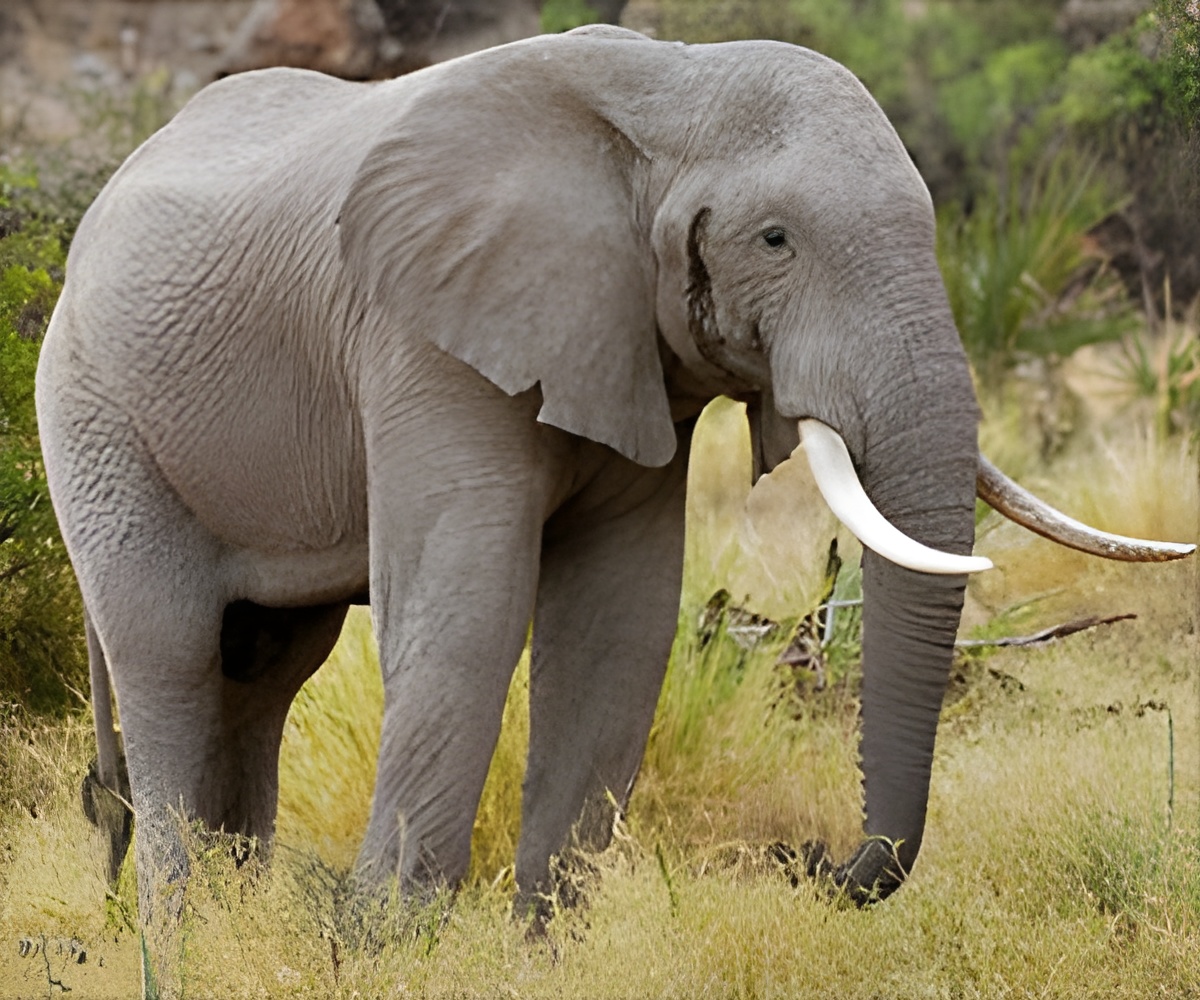
Elephant Tourism in Thailand: A Review of Animal Welfare Practices and Needs
Go to source).

Assam Gets It's First Mobile Clinic for Elephants
Getting elephants down for treatment is not easy and also the cost for their treatment can be very high, so a mobile clinic for elephants is launched in Assam.
Getting elephants down for treatment is not easy and also the cost for their treatment can be very high, so a mobile clinic for elephants is launched in Assam.
TOP INSIGHT

Did You Know?
Elephants are dying from selfies and sweets. What we call compassion is causing irreversible harm.
#medindia #wildlifecrisis #elephanttourism #responsibletourism #plasticdanger
From Treats to Tragedy-When Elephants Beg for Snacks
Elephants in Sri Lanka and India are learning to beg for sugary treats from tourists — a behavior that’s far from cute. Regular feeding is making wild elephants dependent, causing them to approach vehicles and fences, often resulting in injuries or deaths. Plastic bags and junk food are being ingested, and several elephants have lost their lives. This shift from foraging to food begging has long-term, dangerous effects on their health and instincts.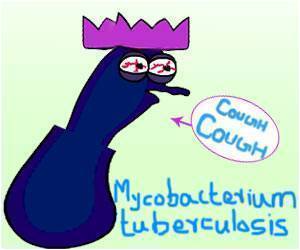
Immune Response of Asian Elephants Infected With Human Disease Studied
Asian elephants (occasionally other elephants) are also infected by Mycobacterium tuberculosis , the organism that causes tuberculosis in humans.
Asian elephants (occasionally other elephants) are also infected by Mycobacterium tuberculosis , the organism that causes tuberculosis in humans.
Crossing the Line- Where Curiosity Meets Conflict
In places like Udawalawe National Park, elephants are drawn to tourist hotspots, ignoring their natural habitats. Fences are no barrier when food is involved — some elephants break through to reach tourists, risking fatal encounters. At least three elephants and multiple people have died as a result of these human-fed interactions. This artificial bond built on snacks is leading to territorial tensions and tragic outcomes.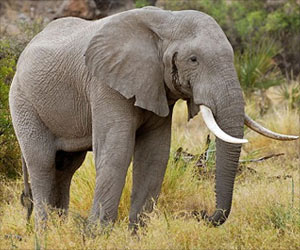
Kerala Will Have India's First Elephant Hospital With In-patient Treatment Facility
The in-patient facility is essential as majority of 500 captive elephants in Kerala will be aged over 50 years and would require augmented healthcare support.
The in-patient facility is essential as majority of 500 captive elephants in Kerala will be aged over 50 years and would require augmented healthcare support.
Selfies with Consequences -The Illusion of Tame Giants
Tourists often mistake wild elephants for gentle pets—a dangerous misconception. Many approach too closely for photos or selfies, unaware they’re interacting with powerful, unpredictable animals. Such behavior not only puts tourists at risk but also stresses elephants, making them more aggressive or anxious. Getting the perfect shot isn't worth the price of a life.
Africa: Elephant Death Toll Rises
In Africa, more elephants are being killed than are being born in a year, finds study.
In Africa, more elephants are being killed than are being born in a year, finds study.
Captivity Isn’t Comfort - The Struggles of Tourist Elephants in Thailand
Thailand’s booming elephant tourism industry may look like fun, but behind the scenes, many elephants suffer in silence. After a 1989 logging ban, thousands of elephants were absorbed into tourist camps — often working long hours, poorly fed, and isolated. Experts now urge science-based welfare practices that meet elephants’ physical and emotional needs, including social bonds, medical care, and proper nutrition. Responsible tourism means seeing beyond the show.A Call for Change-Responsible Tourism Starts with Us
The research sends a clear message: Feeding wild animals is not kindness — it’s harm wrapped in good intentions. Whether in Sri Lanka’s forests or Thailand’s camps, we must respect wildlife by keeping a safe distance and supporting ethical tourism. Strict feeding bans, better regulations, and public awareness are urgently needed to protect these majestic animals. Real compassion means letting elephants be elephants, wild and free.Reference:
- Elephant Tourism in Thailand: A Review of Animal Welfare Practices and Needs - (https://pubmed.ncbi.nlm.nih.gov/30689409/ )
Source-University of California, San Diego.
 Email
Email