MEDINDIA
 English
 हिन्दी
 Español
 français
 中文
中文
Probiotics help preterm babies develop healthy gut microbiomes and curb drug-resistant bacteria in NICUs.
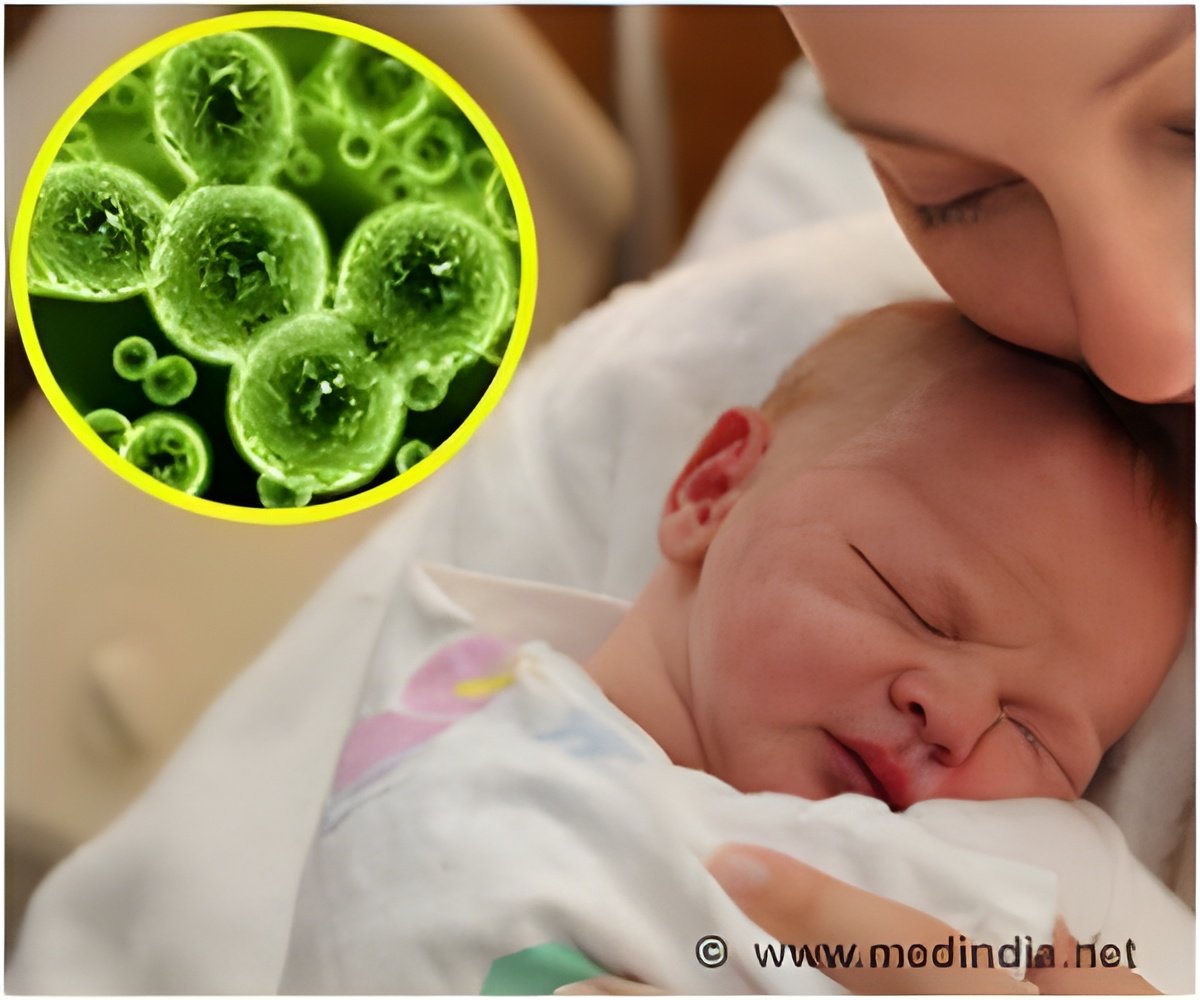
Impact of early life antibiotic and probiotic treatment on gut microbiome and resistome of very-low-birth-weight preterm infants
Go to source). The research, published in Nature Communications, shows that probiotic supplements not only help fragile preterm babies build healthier gut microbiomes but also reduce the spread of dangerous, drug-resistant bacteria in neonatal intensive care units (NICUs).
Probiotics - Support System for the Gut
Probiotics are live microorganisms that resemble the “good bacteria” in our gut. Science is yet to fully explore the healing potential of probiotics; meanwhile some studies have ruled in their favor.
Probiotics are live microorganisms that resemble the “good bacteria” in our gut. Science is yet to fully explore the healing potential of probiotics; meanwhile some studies have ruled in their favor.
TOP INSIGHT

Could a baby's first few weeks of life shape their future health? A new study explores how early #antibiotic and #probiotic use in very-low-birth-weight infants impacts their #gutmicrobiome and resistance to disease. #PrematureInfants
Why Preemies Are at Risk
Each year, more than 10% of infants worldwide are born prematurely, with over 1% arriving with very low birth weight (below 1,500 grams). These babies often face underdeveloped immune systems, making them especially vulnerable to severe infections.To prevent complications, they are routinely given broad-spectrum antibiotics. While life-saving, this early exposure disrupts gut microbiota development and can fuel the growth of antibiotic resistance genes.
Drug-resistant bacteria like Enterococcus, Klebsiella, and Staphylococcus frequently colonize the preterm infant gut. Once present, these pathogens can spread within hospital settings, contributing to prolonged hospital stays and dangerous late-onset infections.
Probiotics and Iron Bioavailability
Probiotics are known to increase iron bioavailability. Probiotic supplementation is an effective treatment for iron-deficiency anemia (IDA). Oral probiotics can aid in improving iron absorption and thereby, augment iron bioavailability.
Probiotics are known to increase iron bioavailability. Probiotic supplementation is an effective treatment for iron-deficiency anemia (IDA). Oral probiotics can aid in improving iron absorption and thereby, augment iron bioavailability.
The Role of Probiotics
To counter this, the World Health Organization recommends probiotics for very preterm, breastfed infants. Probiotics are beneficial bacteria that can restore microbial balance in the gut, and this study provides fresh evidence of their protective effects.Researchers followed 34 very-low-birth-weight preterm infants, dividing them into two groups: one received a probiotic blend containing Bifidobacterium bifidum and Lactobacillus acidophilus, while the other did not. Some infants in each group also received standard antibiotic treatments.
The differences between the groups were striking:
- Probiotic-supplemented infants had higher levels of beneficial Bifidobacterium and fewer potentially harmful bacteria.
- Non-supplemented infants showed greater abundance of pathogens like Klebsiella, Enterococcus, and Escherichia coli—many of which carried multidrug-resistant genes.
- The presence of probiotics appeared to suppress the spread of antibiotic resistance genes, particularly in infants who also received antibiotics.
- The team even identified hidden reservoirs of resistance, including a colistin-resistance gene (mcr-9.1), in infant samples taken before the gene’s official discovery in 2019.
The study shows that probiotics may offer a protective effect by limiting the resources available for harmful microbes to grow.
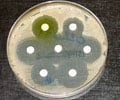
Test your Knowledge on Antibiotic Resistance
Antibiotic resistance is a growing public health concern that has reached gigantic proportions. Antibiotic resistance is a change that occurs in bacteria when they are exposed to antibiotics used to treat infections caused by them. This change makes ...
Antibiotic resistance is a growing public health concern that has reached gigantic proportions. Antibiotic resistance is a change that occurs in bacteria when they are exposed to antibiotics used to treat infections caused by them. This change makes ...
Beyond Probiotics: The Ongoing Need for Vigilance in NICUs
However, the persistence of certain bacteria like Enterococcus, even in probiotic-supplemented infants, highlights the ongoing need for vigilance in NICUs. The researchers stress that while probiotics are a powerful tool, continued monitoring and targeted infection-control strategies remain essential.This research adds to growing evidence that probiotic supplementation could be a low-cost, high-impact strategy for protecting some of the most vulnerable patients—premature infants—from the global threat of antimicrobial resistance. By reshaping early-life gut health, probiotics may not only save lives in the NICU but also set preterm babies on a healthier path long after they leave the hospital.
Reference:
- Impact of early life antibiotic and probiotic treatment on gut microbiome and resistome of very-low-birth-weight preterm infants - (https://www.nature.com/articles/s41467-025-62584-2)
Source-Medindia
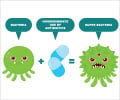
Antibiotic Resistance - An Emerging Global Crisis
Antibiotic resistance refers to the adaption of bacteria that allows them to grow even in the presence of antibiotics. The infection by the resistant bacteria are difficult to treat.
Antibiotic resistance refers to the adaption of bacteria that allows them to grow even in the presence of antibiotics. The infection by the resistant bacteria are difficult to treat.
 Email
Email