MEDINDIA
 English
 हिन्दी
 Español
 français
 中文
中文
A sideline visual test effectively detected concussions in collegiate athletes, according to a team of researchers from the Perelman School of Medicine at the University

Football Helmet Ratings for Reducing Concussion Risk Announced by Virginia Tech
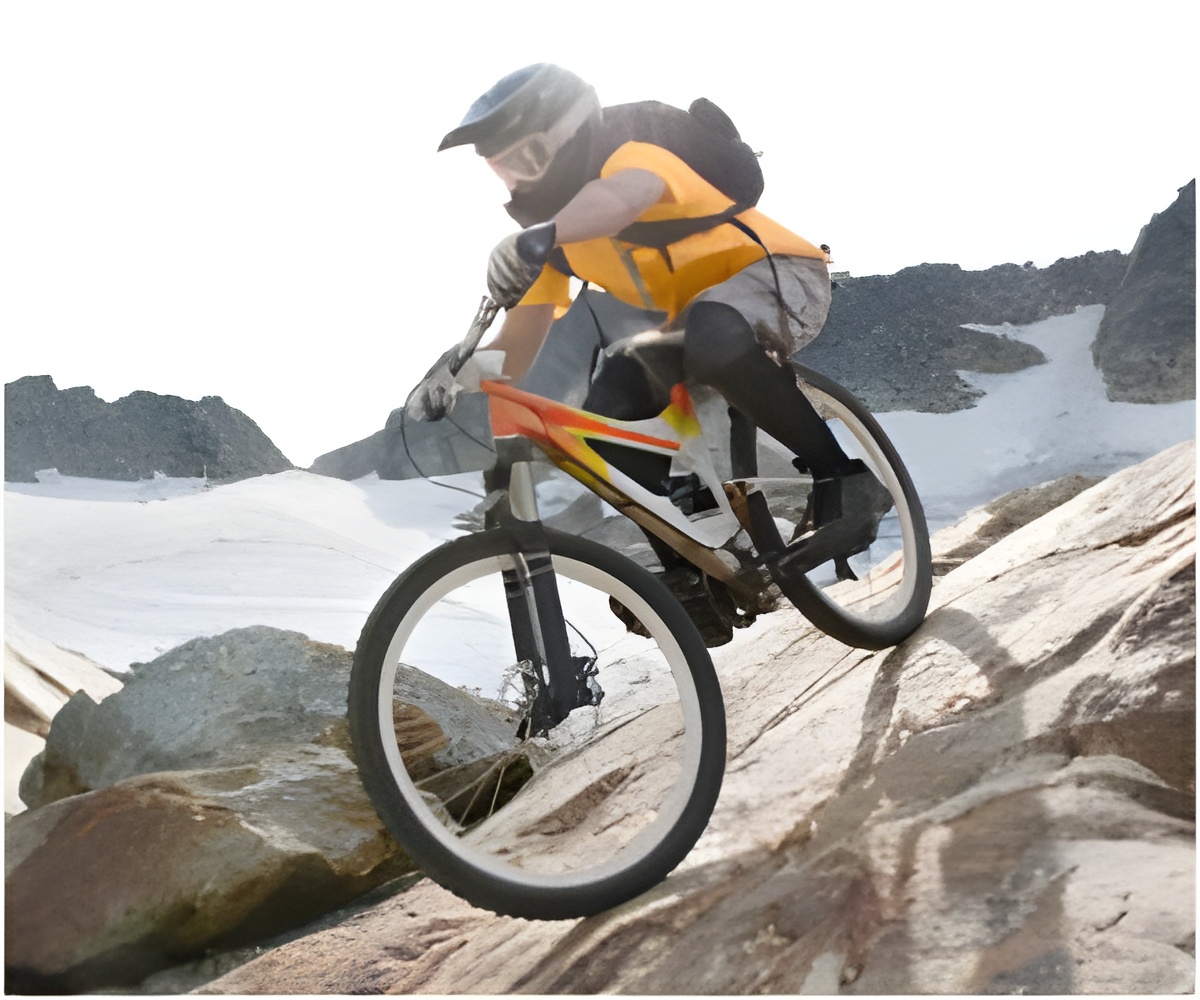
The results of a new rating system of adult football helmets that is designed to reduce the risk of concussions were released by Virginia Tech today.
The results of a new rating system of adult football helmets that is designed to reduce the risk of concussions were released by Virginia Tech today.
The King-Devick test, originally used as a dyslexia test, detects impaired eye movements and rapid eye movements called saccades, indicating diminished brain function. A previous study, published in Neurology, of this visual screening test for concussion found that boxers and mixed martial arts (MMA) fighters who had head trauma during their matches had significantly higher (worse) post-fight time test scores. Fighters who lost consciousness were on average 18 seconds slower on the test after their bouts.
In this follow-up study, published online in the Journal of the Neurological Sciences, 219 collegiate athletes were given the 2 minute test as a baseline at the start of the sports season. Athletes who sustained concussions - an impulse blow to the head or body that results in transient neurologic signs or symptoms - in games or practices during the season were given the test immediately on the sidelines.
Simple Radar System Helps to Detect Concussions
A simple radar system shows promise for screening individuals who may have suffered from a concussions.
A simple radar system shows promise for screening individuals who may have suffered from a concussions.
Researchers also looked at test improvement over time and post-game fatigue. A group tested following an intense scrimmage showed no signs of fatigue and actually improved their test scores compared to baseline. Another group tested before and after the season showed modest improvements, likely a result of learning effects common in many performance measures.

To Prevent Concussions, It is Necessary to Ban Bodychecking in Youth Hockey
It might be necessary to ban bodychecking in youth hockey to prevent concussions
It might be necessary to ban bodychecking in youth hockey to prevent concussions

Smartphone App to Track Concussion Symptoms on the Anvil
A new smartphone application is being developed that will spot if anyone has suffered head-trauma, and if confirmed, it will automatically send an e-mail to the patient's doctor.
A new smartphone application is being developed that will spot if anyone has suffered head-trauma, and if confirmed, it will automatically send an e-mail to the patient's doctor.
 Email
Email