MEDINDIA
 English
 हिन्दी
 Español
 français
 中文
中文
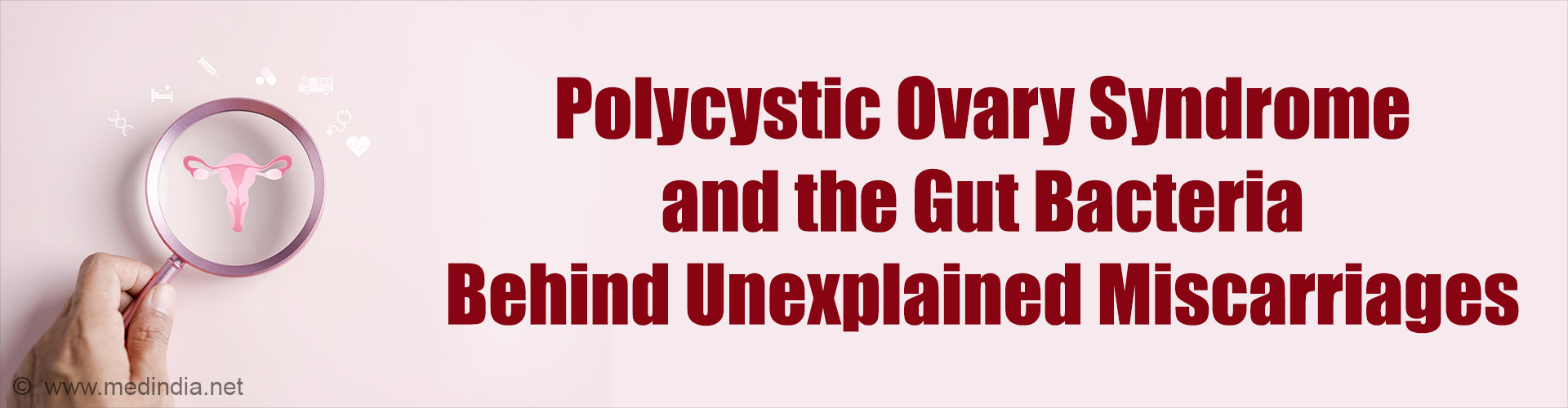
Loss of beneficial gut bacteria and high levels of isoleucine in women with polycystic ovary syndrome may lead to higher pregnancy complications.
Highlights:
A major shift in gut microbiota and metabolic activity has been identified in women with polycystic ovary syndrome, contributing to early aging of the uterine lining and increased chances of pregnancy-related issues (1✔ ✔Trusted Source- Isoleucine linked to early endometrial ageing in polycystic ovary syndrome
- Sharp decline in Parabacteroides merdae observed in gut of affected women
- Increased pregnancy complications including miscarriage and gestational diabetes
Imbalanced Gut Microbiota and Amino Acids Associated with Increased Miscarriage Risk in Women with PCOS
Go to source). A key finding includes a marked decrease in the gut bacterium Parabacteroides merdae, paired with higher levels of branched-chain amino acids like isoleucine—an essential nutrient tied to energy metabolism and protein production.
These biological changes appear to impair endometrial health, disrupting embryo implantation and leading to poor reproductive outcomes. Affecting nearly 20% of women of childbearing age worldwide, polycystic ovary syndrome is a prominent cause of infertility, often requiring medical interventions to achieve pregnancy.
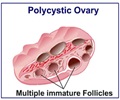
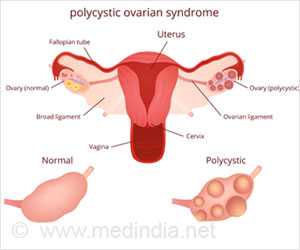
Polycystic Ovary Syndrome (PCOS) is a hormonal disorder affecting women of reproductive age, often characterized by irregular periods, excess androgen levels, and the presence of multiple cysts on the ovaries.
Polycystic Ovarian Syndrome - Overview
Polycystic ovarian syndrome is the most common hormonal disorder among women of reproductive age and can cause infertility.
Polycystic ovarian syndrome is the most common hormonal disorder among women of reproductive age and can cause infertility.
TOP INSIGHT

Did You Know?
Women with #polycystic_ovary syndrome are nearly twice as likely to face #pregnancy_complications, and many show early signs of uterine ageing. #medindia #pcos #pregnancy #miscarriage #womenhealth
Unexplained Complications in Young Women
Despite the effectiveness of fertility treatments, women with polycystic ovary syndrome continue to experience high rates of miscarriage, premature births, gestational diabetes, and other complications. The reasons behind this have long remained unclear.Lead researcher Dr. Aixia Liu noted that even young women under 35, who managed to conceive, were encountering unexpected reproductive problems. Observing a pattern of digestive and metabolic disturbances among these women, her team began investigating the links between gut microbes, metabolic changes in the bloodstream, and uterine health.

PCOS Breakthrough: Endometrial Cell Atlas Unveils New Treatment Possibilities
PCOS breakthrough: The Endometrial Cell Atlas reveals key insights, opening new doors for innovative treatments and personalized care.
PCOS breakthrough: The Endometrial Cell Atlas reveals key insights, opening new doors for innovative treatments and personalized care.
Lower Microbial Diversity and Isoleucine Surge Identified
In a prospective study involving 220 women from 44 cities in China—half diagnosed with polycystic ovary syndrome and half serving as healthy controls, researchers used gut sequencing and metabolite analysis to compare the two groups. Lab tests on endometrial stromal cells were also conducted to study the tissue’s aging and ability to support pregnancy.The findings revealed a significant reduction in overall gut bacterial diversity among those with polycystic ovary syndrome. Levels of Parabacteroides merdae, a microbe associated with good metabolic health, were notably lower. Concurrently, blood tests showed heightened levels of isoleucine and other branched-chain amino acids, while protective short-chain fatty acids were diminished.
Weight Loss Interventions for PCOS Management
Weight loss interventions can offer an effective treatment option to improve menstrual cycles and reduce hormonal imbalances in women with PCOS.
Weight loss interventions can offer an effective treatment option to improve menstrual cycles and reduce hormonal imbalances in women with PCOS.
Pregnancy Risk Nearly Doubled
Though pregnancy rates remained similar between the two groups, women with polycystic ovary syndrome were found to have nearly double the likelihood—1.95 times of experiencing at least one adverse pregnancy event. These included miscarriage, low birth weight, preterm delivery, gestational diabetes, hypertensive complications, and even perinatal death.Further examination confirmed that isoleucine was also elevated in endometrial tissue. When lab-grown uterine cells were exposed to isoleucine, they displayed increased signs of cellular aging and reduced capacity for decidualization the process by which the uterus prepares for embryo implantation.
PCOS is Linked to Higher Risk of Mental Health Problems in Offspring
Polycystic ovary syndrome (PCOS) in mothers is linked to various psychiatric and neurodevelopmental disorders in offsprings, according to a new research study.
Polycystic ovary syndrome (PCOS) in mothers is linked to various psychiatric and neurodevelopmental disorders in offsprings, according to a new research study.
Towards Personalized Reproductive Solutions
These aging-like effects were strikingly premature for women under 35, indicating a previously underestimated vulnerability linked to metabolic changes. Dr. Liu emphasized the potential of using isoleucine levels and gut bacterial profiles as biomarkers to identify at-risk individuals earlier and tailor interventions accordingly.Future directions include evaluating whether dietary changes, targeted probiotics, or restricting intake of certain amino acids might help reverse these effects and improve fertility outcomes.
Implications for Clinical Practice and Reproductive Care
Professor Dr. Anis Feki, Chair-Elect of the European Society of Human Reproduction and Embryology, praised the study’s insights, pointing out that the findings underline how polycystic ovary syndrome affects not just hormone levels or metabolism in isolation but can directly impair uterine receptivity.He emphasized the significance of recognizing metabolic and microbial health as essential components of fertility treatment, particularly for younger women who may not show obvious symptoms of risk.
To sum up, this new understanding of how gut microbiota and specific amino acids like isoleucine influence reproductive health in polycystic ovary syndrome brings us closer to personalized fertility care. With potential biomarkers now identified, more targeted strategies could emerge to support women in achieving healthier pregnancies.
Reference:
- Imbalanced Gut Microbiota and Amino Acids Associated with Increased Miscarriage Risk in Women with PCOS - (https://bioengineer.org/imbalanced-gut-microbiota-and-amino-acids-associated-with-increased-miscarriage-risk-in-women-with-pcos/)
Source-Medindia
 Email
Email