MEDINDIA
 English
 हिन्दी
 Español
 français
 中文
中文
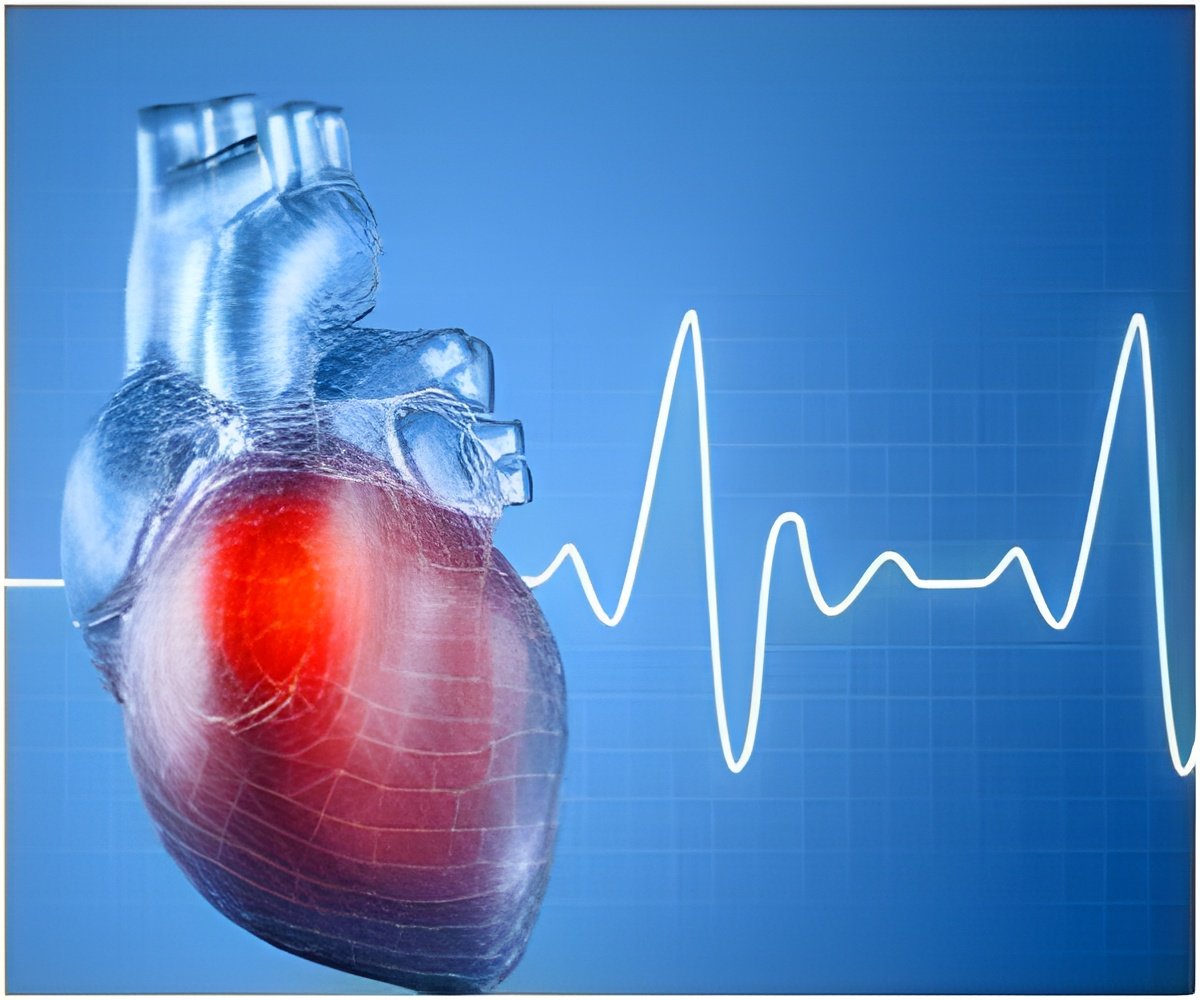
A recent study evaluated the benefits and costs of screening programs for the prevention of sudden cardiac death (SCD) in children.
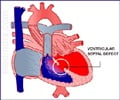
Congenital Heart Disease – Septal Defects
Heart diseases that are present at birth are called “ Congenital heart diseases”.
Heart diseases that are present at birth are called “ Congenital heart diseases”.
The "human cost" of screening suggests its true price may be even higher. Because conditions causing SCD are so rare, even an occasional "false positive" means that for every previously undiagnosed child accurately identified, many children who would never have died from SCD may be labeled as being at-risk.
The research team stressed that the cardiac conditions causing SCD in children are incredibly rare. Many are cardiac conditions are genetic and there may be a family history of early (< 50 years of age) or unexplained SCD in a family member. Dr. Leslie advises that "the most concerning family history in a child is when a parent or sibling is diagnosed with a likely familial cardiac disease; those children should certainly be evaluated." Since some disorders that cause SCD may not be identifiable on an ECG until late adolescence or early adulthood, an ECG in a parent with a positive family history may provide more information than an ECG in a child. Another indication to consult with a doctor is if a child reports any experiences of fainting or shortness of breath with strong emotions or during exertion (not related to a medical condition like asthma).
Source-Eurekalert

Quiz on Healthy Heart
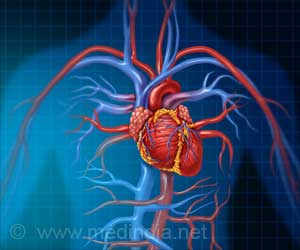
Heart disease is a major killer worldwide in spite of major strides in the medical field in terms of research, diagnosis, treatment and pharmacology. HIV/AIDS and Alzheimer’s disease are vying for popular attention these days and people tend to sideline or neglect healthy heart awareness. Take our quiz and refresh your awareness on heart disease.
Heart disease is a major killer worldwide in spite of major strides in the medical field in terms of research, diagnosis, treatment and pharmacology. HIV/AIDS and Alzheimer’s disease are vying for popular attention these days and people tend to sideline or neglect healthy heart awareness. Take our quiz and refresh your awareness on heart disease.

Research Sheds Light on Woodchucks and Sudden Cardiac Death
Consider this question: How much calcium could a hibernating woodchuck's heart cells sequester if they could sequester calcium?
Consider this question: How much calcium could a hibernating woodchuck's heart cells sequester if they could sequester calcium?
 Email
Email