MEDINDIA
 English
 हिन्दी
 Español
 français
 中文
中文
Researchers explored the direct involvement of SARS-CoV-2 in the CNS in physiologically relevant models. They assessed SARS-CoV-2 infection in human neural progenitor cells (hNPCs), neurospheres and brain organoids derived from induced pluripotent stem cells (iPSCs).
TOP INSIGHT

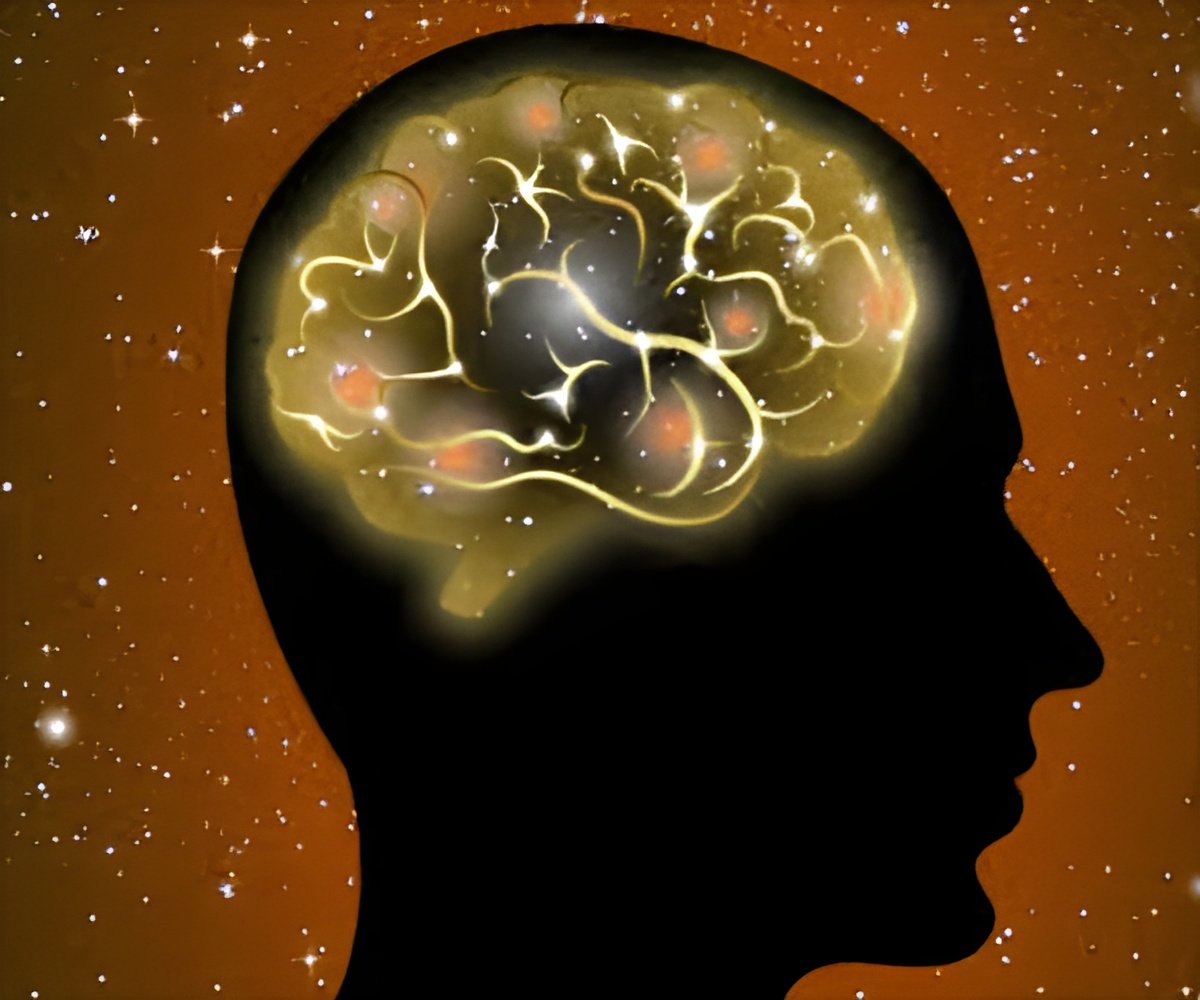
New study provides the first evidence of direct SARS-CoV-2 infection in human brain organoids, which contributes to our understanding of the pathogenesis of neurological complications in COVID-19.
Read More..
A study of 214 hospitalized COVID-19 patients in Wuhan reported that 36.4% of all patients and 45.5% of severe cases had neurologic symptoms. In addition, studies from France and Germany have revealed that 84.5% and 36.4%, respectively, of COVID-19 patients had viral infections in the brain.
However, there has been no direct experimental evidence of SARS-CoV-2 infection in the human central nervous system (CNS).
The results demonstrated that iPSC-derived hNPCs were permissive to SARS-CoV-2 infection, but not SARS-CoV infection. Extensive protein expression and infectious viral particles were detected in neurospheres and brain organoids infected with SARS-CoV-2, which suggested SARS-CoV-2 could productively infect the human brain.
Importantly, SARS-CoV-2 infection in 3D human brain organoids was localised to TUJ1 (neuronal marker) - and NESTIN (NPC marker)-positive cells, suggesting SARS-CoV-2 could directly target cortical neurons and NPCs.

Coronavirus
Coronaviruses infect animals, humans, and birds. Human coronaviruses, such as SARS, MERS, and 2019-nCoV cause respiratory distress and even death. The S protein is the infectious agent of the virus.
Coronaviruses infect animals, humans, and birds. Human coronaviruses, such as SARS, MERS, and 2019-nCoV cause respiratory distress and even death. The S protein is the infectious agent of the virus.
The research team suggested that chronic and long-term consequences of SARS-CoV-2 infection of the CNS should be closely monitored.
Source-Eurekalert
 Email
Email