MEDINDIA
 English
 हिन्दी
 Español
 français
 中文
中文
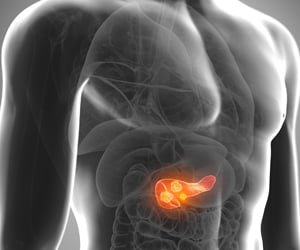
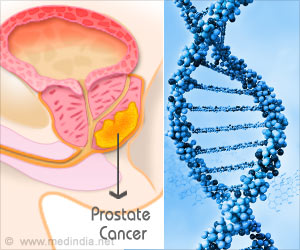
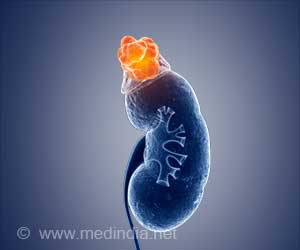
Tumors not only use lipids as 'building blocks' to grow, but they can regulate their host's lipid metabolism to increase production of these lipids.

Importance of Health Screening Tests
Health screening, along with a healthy diet and exercise, is necessary for good health and a higher quality of life.
Health screening, along with a healthy diet and exercise, is necessary for good health and a higher quality of life.
TOP INSIGHT

Tumors not only use lipids as 'building blocks' to grow, but they can regulate their host's lipid metabolism to increase production of these lipids.
One of the key factors for this process are proteins we all have that, in larger quantities, may cause a decrease in the amount of LDL receptors to excrete the cholesterol. The tumor affects these proteins to reduce clearance of cholesterol from the blood, leaving the LDL for cancer to feed off of it.
These findings led Lehner and Hoefler to an interesting hypothesis: minimizing the liver's production of LDL would deprive a tumor from its constant supply and therefore reduce its possibility of growth. Their experiments in pre-clinical models proved to be successful, confirming lower tumor development with the regulation of the proteins that affect production of VLDL (precursors of LDL) and uptake of LDL by receptors from the liver.

Oncologists Share Expertise on Cancer Treatment at a 3-Day Conference in India
Doctors from across the globe shared expertise in cancer treatment, so as to lower the incidence of the disease in the Asian region.
Doctors from across the globe shared expertise in cancer treatment, so as to lower the incidence of the disease in the Asian region.
The next step for Lehner and his team will be to test existing medications that would help in limiting the production of cholesterol on patients undergoing cancer treatment - adding them to their current therapies.
Novel Metabolic Twist That Drives Cancer Survival Identified
Cancer cells use a piggybacking system to carry reducing equivalents from the pentose phosphate pathway (PPP) into the mitochondria.
Cancer cells use a piggybacking system to carry reducing equivalents from the pentose phosphate pathway (PPP) into the mitochondria.
Lehner intends to expand the support received and develop these tests locally, including technology and facilities from the institutes and clinics related to the University of Alberta. "The collaboration with Austria was to set the concept of the investigation," he explains. "We have a great group here, great cancer researchers. We are in good hands to continue."

Guidelines On Radiation Therapy Needed After Breast Cancer Surgery
Regardless of the surgical treatment of the primary tumor, most patients received radiation therapy and the dose did not vary according to the surgeries.
Regardless of the surgical treatment of the primary tumor, most patients received radiation therapy and the dose did not vary according to the surgeries.
Source-Eurekalert
 Email
Email