MEDINDIA
 English
 हिन्दी
 Español
 français
 中文
中文
Animal studies found that exposure to even tiny amounts of endocrine-disrupting chemicals (EDCs) during the prenatal period can trigger obesity later in life.
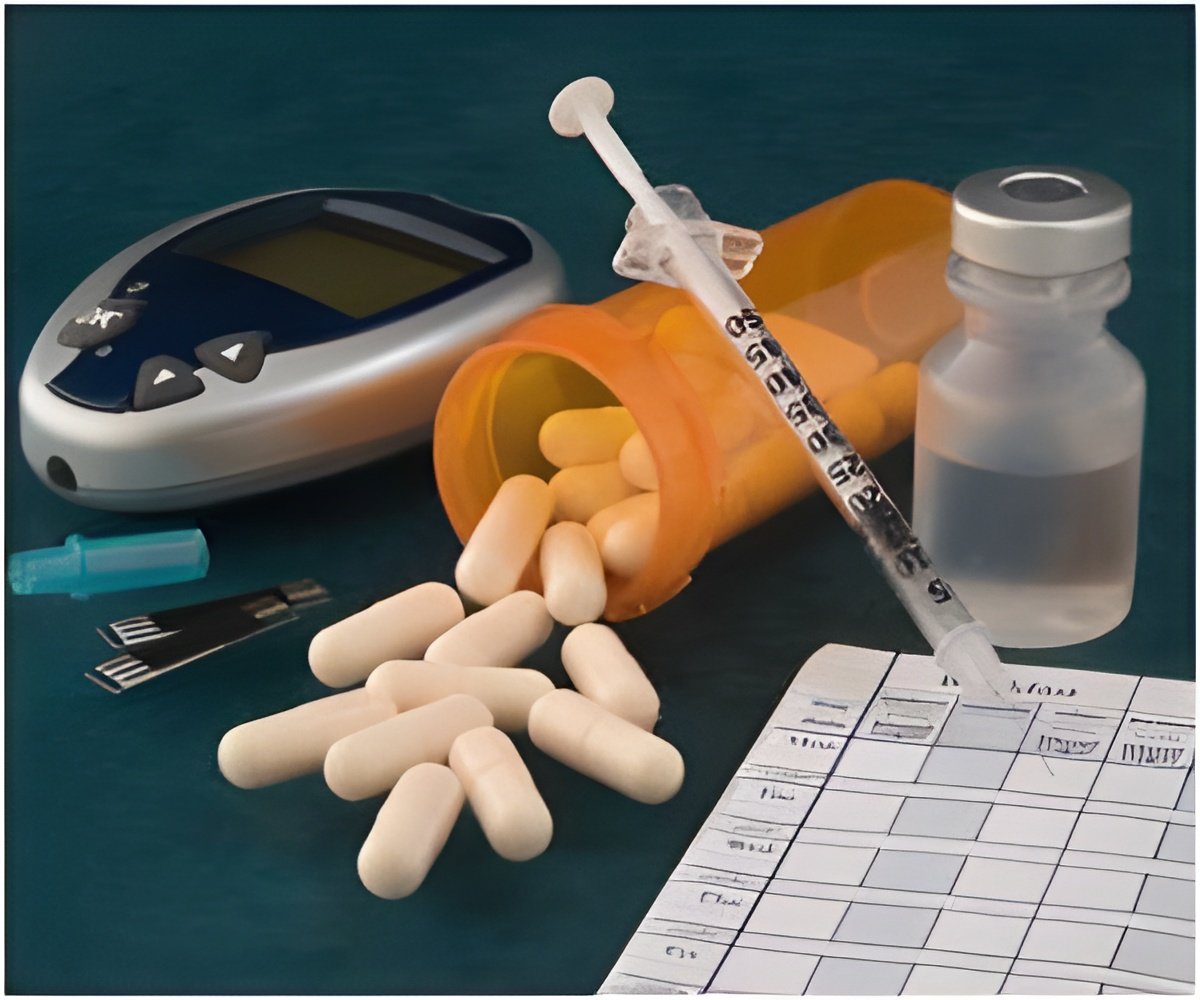
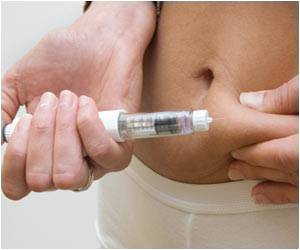
The US Regulatory Authorities Approve Novo's New Diabetes Drug 'Tresiba'
The US Food and Drug Administration’s approval was based on the clinical trials that showed the drug, Tresiba can improve glycemic control.
The US Food and Drug Administration’s approval was based on the clinical trials that showed the drug, Tresiba can improve glycemic control.
"The evidence is more definitive than ever before. EDCs disrupt hormones in a manner that harms human health," said Andrea C. Gore, professor at University of Texas at Austin in a statement by the Endocrine Society, an international medical organization in the field of endocrinology and metabolism.
The statement builds upon the Society's groundbreaking 2009 report which examined the state of scientific evidence on EDCs and the risks posed to human health.
Fatty Food Intake May Trigger Diabetes, Atherosclerosis
A high palmitic acid diet increases the concentration of several inflammatory biomarkers in both blood and muscle leading to diseases like Type 2 diabetes.
A high palmitic acid diet increases the concentration of several inflammatory biomarkers in both blood and muscle leading to diseases like Type 2 diabetes.
Mounting evidence also indicates EDC exposure is connected to infertility, hormone-related cancers, neurological issues and other disorders.

Weight Loss Surgery May Be a Better Option To Control Type 2 Diabetes In Obese Patients
Bariatric surgery should be considered for diabetics who do not succeed at controlling their blood sugar with drugs and lifestyle changes, regardless of their BMI.
Bariatric surgery should be considered for diabetics who do not succeed at controlling their blood sugar with drugs and lifestyle changes, regardless of their BMI.
The threat is particularly great when unborn children are exposed to EDCs.
German Pharma Aims For Top Slot With New Diabetes Drug Launch In India
The anti-diabetes drug will be launched at an affordable price. The once-a-day oral treatment, Jardiance will cost Rs 45 for a day’s therapy, roughly Rs 1,300 per month.
The anti-diabetes drug will be launched at an affordable price. The once-a-day oral treatment, Jardiance will cost Rs 45 for a day’s therapy, roughly Rs 1,300 per month.
Similarly, animal studies found that some EDCs directly target cells in the pancreas, fat cells and liver cells.
This can lead to insulin resistance and an overabundance of the hormone insulin in the body - risk factors for Type 2 diabetes.
"With more chemicals being introduced into the market all the time, better safety testing is needed to identify new EDCs and ensure they are kept out of household goods," Gore emphasized.
Exposure to endocrine-disrupting chemicals during early development can have long-lasting, even permanent consequences.
"It is time for the policymakers to take this wealth of evidence into account as they develop legislation," the statement read.
Source-IANS
 Email
Email