MEDINDIA
 English
 हिन्दी
 Español
 français
 中文
中文
A new study finds some cannabis products look like popular snacks that increase the risk of accidental ingestion by children.
Cannabis
Cannabis has a long history of medicinal, recreational, and industrial use and comes from a bushy plant with thick sticky flowers called Cannabis Sativa
Cannabis has a long history of medicinal, recreational, and industrial use and comes from a bushy plant with thick sticky flowers called Cannabis Sativa
TOP INSIGHT

Cannabis edibles that mimic fruit snacks have exceeding levels of tetrahydrocannabinol or THC—the main psychoactive compound.
Recent news reports have drawn attention to edibles that use similar branding and imagery to mimic popular snack foods.
These copycat cannabis products are a public health concern given that people including children could mistake them for snacks and accidentally consume them. From 2017 to 2019, U.S. Poison Control Centers handled nearly 2,000 cases of young children ages 0 to 9 consuming edibles.
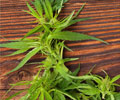
Marijuana - Types, Uses & Adverse effects
Marijuana (cannabis) is a drug obtained from the hemp plant and often abused for its psychoactive effects, though it has medicinal uses as well.
Marijuana (cannabis) is a drug obtained from the hemp plant and often abused for its psychoactive effects, though it has medicinal uses as well.
Twelve of the products were candies or sweet snacks (fruit chews, fruit snacks, rice and marshmallow treats, and gummies) and one was a salty snack (chips).
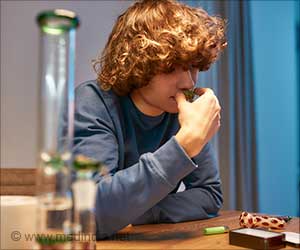
Cannabis Use Linked To Extremes of Nightly Sleep Duration: Study
Most people have become are using cannabis to solve their sleep problems. However, heavy use of cannabis has negative effects on the sleep-wake cycle.
Most people have become are using cannabis to solve their sleep problems. However, heavy use of cannabis has negative effects on the sleep-wake cycle.
Most states that have legalized cannabis limit the amount of THC in edibles—typically 5 mg or 10 mg of THC per dose and 100 mg per package. According to information listed on the packaging of the lookalike products, these edibles contained an average of 459 mg of THC and a range of 300 to 600 mg per package, greatly exceeding the maximum limits.

Cannabis Extract Decreases Brain Abnormalities in Psychosis
Psychosis, a mental disorder causes altered responses in three brain regions that can be controlled by cannabidiol, a cannabis extract.
Psychosis, a mental disorder causes altered responses in three brain regions that can be controlled by cannabidiol, a cannabis extract.
Policies to prevent cannabis packaging from appealing to children haven’t stopped copycat products from entering the market—nor have food brands taken legal action against cannabis companies for copyright infringement.
People who purchase edibles that look like snack foods should store them separately from regular snacks and out of reach of children.
Source-Medindia
 Email
Email