MEDINDIA
 English
 हिन्दी
 Español
 français
 中文
中文
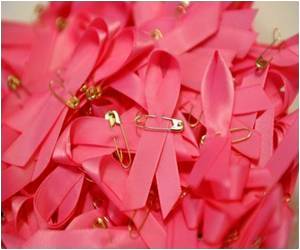
A recent study finds that breast cancer survivors have more frequent, severe, and troubling hot flashes than other women with menopausal symptoms.

Breast Cancer Screening using Mammogram
Breast cancer if detected early can be completely cured. Mammography is used to screen women for breast cancer.
Breast cancer if detected early can be completely cured. Mammography is used to screen women for breast cancer.
But the study also offered some surprising findings: The cancer survivors were less troubled by psychological and physical symptoms and reported better quality of life than the women without cancer. In fact, the cancer survivors were less likely to have severe mood swings or sadness and reported significantly better social and family well-being. In addition, the cancer survivors had about the same levels of sexual activity and function, and just about as many (49%) reported severe vaginal dryness as women without cancer (47%). However, the survivors were more likely to attribute their sexual inactivity to "a physical problem that makes sexual relations difficult or uncomfortable."
That this study included women who may have undergone cancer therapy years before could help account for some of the surprising findings, say the authors. The cancer survivors' better emotional and social well-being may be the result of the good social and psychological support available for cancer survivors. Their similar rate of sexual problems did not mean the cancer survivors fared well—the rates were high in both groups.

Quiz on Menopause
Menopause is inevitable in a woman’s life and it would be apt to be well prepared for it. Learn more about menopause and the best ways of managing it by going through this quiz.
Menopause is inevitable in a woman’s life and it would be apt to be well prepared for it. Learn more about menopause and the best ways of managing it by going through this quiz.
Source-Eurekalert

About Hot Flash
The frequency of the hot flash can be from 1 to 2 two hot flashes a week to 10 or greater in a day. The silver lining is that it usually decreases over time.
The frequency of the hot flash can be from 1 to 2 two hot flashes a week to 10 or greater in a day. The silver lining is that it usually decreases over time.

Breast Self Examination
Slides and animation of Breast Self Examination for early detection of breast cancer lumps in women
Slides and animation of Breast Self Examination for early detection of breast cancer lumps in women
 Email
Email