MEDINDIA
 English
 हिन्दी
 Español
 français
 中文
中文
The greatest burden of visual impairment will affect those above 80 years as old age is a key risk factor for diseases such as age-related macular degeneration.
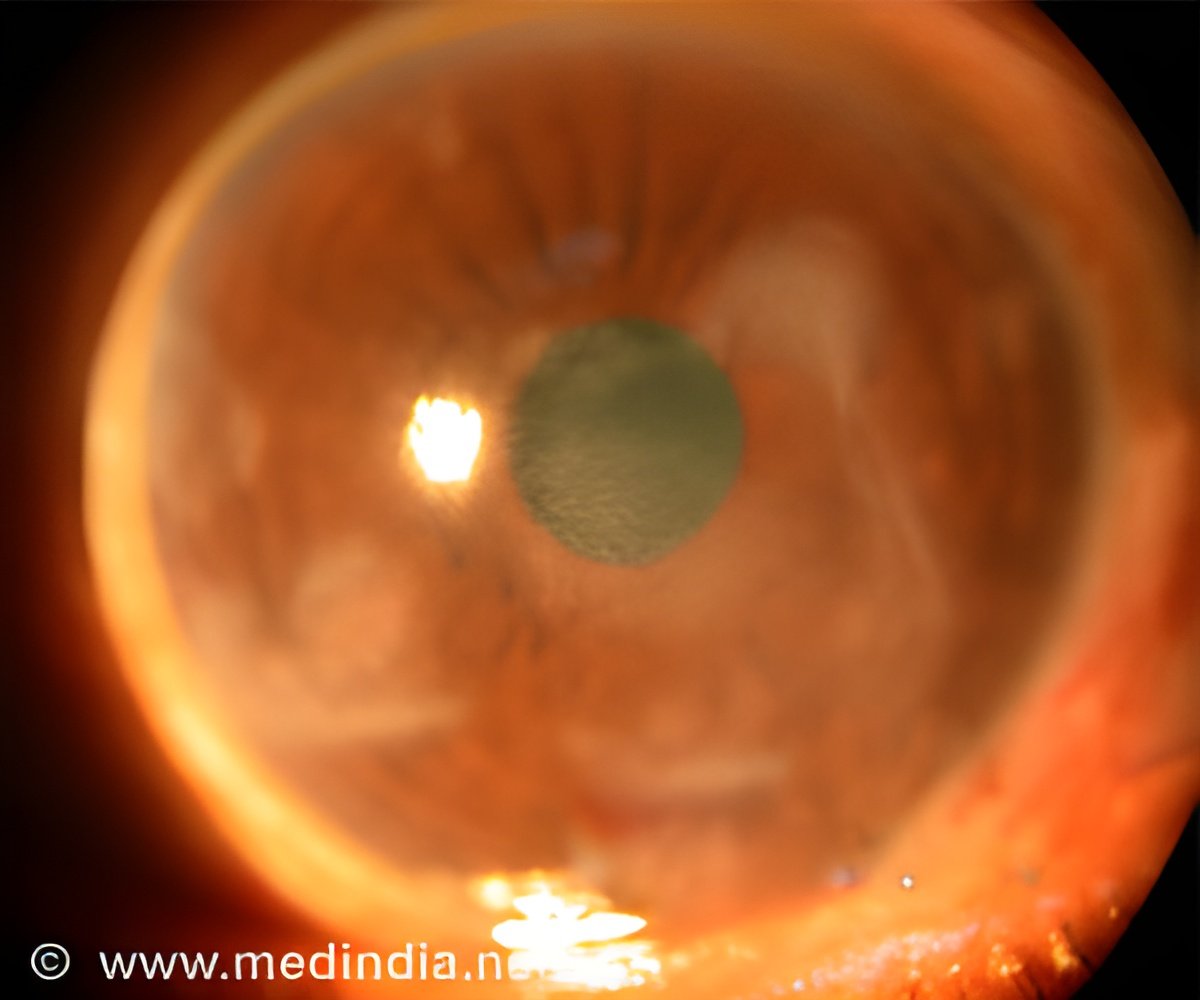
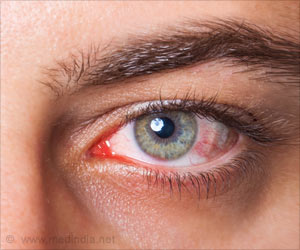
Blindness and Visual Impairment Will Double by 2050 in America
The U.S. prevalence in visual impairment (VI) and blindness is expected to double over the next 35 years, revealed a new study.
The U.S. prevalence in visual impairment (VI) and blindness is expected to double over the next 35 years, revealed a new study.
TOP INSIGHT

Early detection and intervention-possibly as simple as prescribing corrective lenses-could go a long way toward preventing a significant proportion of avoidable vision loss.
Meanwhile, 3.2 million Americans had visual impairment in 2015-meaning they had 20/40 or worse vision with best possible correction. Another 8.2 million had vision problems due to uncorrected refractive error.
"These findings are an important forewarning of the magnitude of vision loss to come. They suggest that there is a huge opportunity for screening efforts to identify people with correctable vision problems and early signs of eye diseases. Early detection and intervention-possibly as simple as prescribing corrective lenses-could go a long way toward preventing a significant proportion of avoidable vision loss," said NEI Director Paul A. Sieving, M.D., Ph.D.

People With Visual Impairment Can Soon Enjoy Photos on Facebook
Facebook introduced machine learning technology to recognize objects in pictures, then describe photos aloud which will help blind community to visualize it.
Facebook introduced machine learning technology to recognize objects in pictures, then describe photos aloud which will help blind community to visualize it.
The researchers analyzed data on visual impairment and blindness from six large studies: the Beaver Dam Eye Study (Beaver Dam, Wisconsin), Baltimore Eye Survey and Salisbury Eye Evaluation Study (Maryland), the Chinese American Eye Study (Monterey Park, California), Los Angeles Latino Eye Study, and Proyecto VER (Nogales and Tucson, Arizona). They used the 2014 census and population growth projections to estimate the nationwide prevalence of vision impairment and blindness now and in 2050.
Prevalence of Visual Impairment in US Increases: Study
In the U.S. the prevalence of nonrefractive visual impairment has increased significantly, which may be partially associated with a higher prevalence of diabetes, states study published in JAMA.
In the U.S. the prevalence of nonrefractive visual impairment has increased significantly, which may be partially associated with a higher prevalence of diabetes, states study published in JAMA.
African Americans currently account for the second highest proportion of visual impairment, but that is expected to shift to Hispanics around 2040, as the Hispanic population-and particularly the number of older Hispanics-continues to grow. Hispanics have particularly high rates of diabetes, which is associated with diabetic eye disease, a treatable cause of visual impairment.

Risk Factors For Visual Impairment Among Preschool Children Born Extremely Preterm Being Examined By Study
According to a report cerebral damage and retinopathy of prematurity appear to be independently associated with visual impairment among preschool children who were born extremely premature.
According to a report cerebral damage and retinopathy of prematurity appear to be independently associated with visual impairment among preschool children who were born extremely premature.
Source-Newswise
 Email
Email