MEDINDIA
 English
 हिन्दी
 Español
 français
 中文
中文
Bisexual men may have a higher risk of heart disease compared with heterosexual men across several modifiable risk factors.

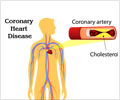
Coronary Heart Disease - Causes, Symptoms, Risk Factors, Diagnosis, Tretment
In coronary heart disease, blood is unable to flow through blocked arteries. The main symptom is chest pain or angina. Treatment is with medications or surgery.
In coronary heart disease, blood is unable to flow through blocked arteries. The main symptom is chest pain or angina. Treatment is with medications or surgery.
TOP INSIGHT

Bisexual men may have a increased risk for heart disease compared with heterosexual men across several modifiable risk factors.
In this study, the researchers examined differences in modifiable risk factors for heart disease and heart disease diagnoses in men of different sexual orientations. Risk factors measured included mental distress; health behaviors such as tobacco use, binge drinking, diet, and exercise; and biological risk factors such as obesity, hypertension, diabetes, and cholesterol. Participants who reported having angina, coronary heart disease, heart failure, heart attack, or stroke were considered as having a diagnosis of heart disease.
The researchers analyzed responses from 7,731 men ages 20 to 59 who were part of the National Health and Nutrition Examination Survey (2001-2012), a national survey that is used to monitor the health of Americans. Differences were analyzed across four groups based on their sexual identities: gay men, bisexual men, heterosexual men who have sex with men, and heterosexual men.

Research Says Bisexual Men Face Unique Challenges to Their Sexual Health
A new study has revealed that bisexual men have many unmet public health needs, which leave them vulnerable to sexually transmitted infections.
A new study has revealed that bisexual men have many unmet public health needs, which leave them vulnerable to sexually transmitted infections.
Bisexual men, however, had higher rates of several risk factors for heart disease relative to heterosexual men: mental distress, obesity, elevated blood pressure, and three different measures of diabetes (medication use, medical history, and average glycosylated hemoglobin level).

Many Gay and Bisexual Men are Skeptical about HIV
A new paper in the Journal of the International AIDS Society focused on gay and bisexual men's perceptions of the HIV treatment-as-prevention message.
A new paper in the Journal of the International AIDS Society focused on gay and bisexual men's perceptions of the HIV treatment-as-prevention message.
The researchers also note that the study underscores the importance of disaggregating analyses for gay and bisexual participants to ascertain differences in health outcomes between these subgroups.

Syphilis Risk, Mostly Among Gay Men Increased By HIV Treatment
Highly active antiretroviral therapy (HAART) contributes to syphilis by impairing immunity against the bacteria, Treponema pallidum, that causes syphilis.
Highly active antiretroviral therapy (HAART) contributes to syphilis by impairing immunity against the bacteria, Treponema pallidum, that causes syphilis.
 Email
Email