MEDINDIA
 English
 हिन्दी
 Español
 français
 中文
中文
New molecules help biomembranes resist disease molecule attacks or avoid unwanted side effects of a drug.

Injectable Biosensor To Monitor Alcohol Levels Longterm
Tiny injectable biochip found to be safe and effective to continuously monitor longterm alcohol levels in patients.
Tiny injectable biochip found to be safe and effective to continuously monitor longterm alcohol levels in patients.
TOP INSIGHT

New molecules help biomembranes resist disease molecule attacks or avoid unwanted side effects of a drug.
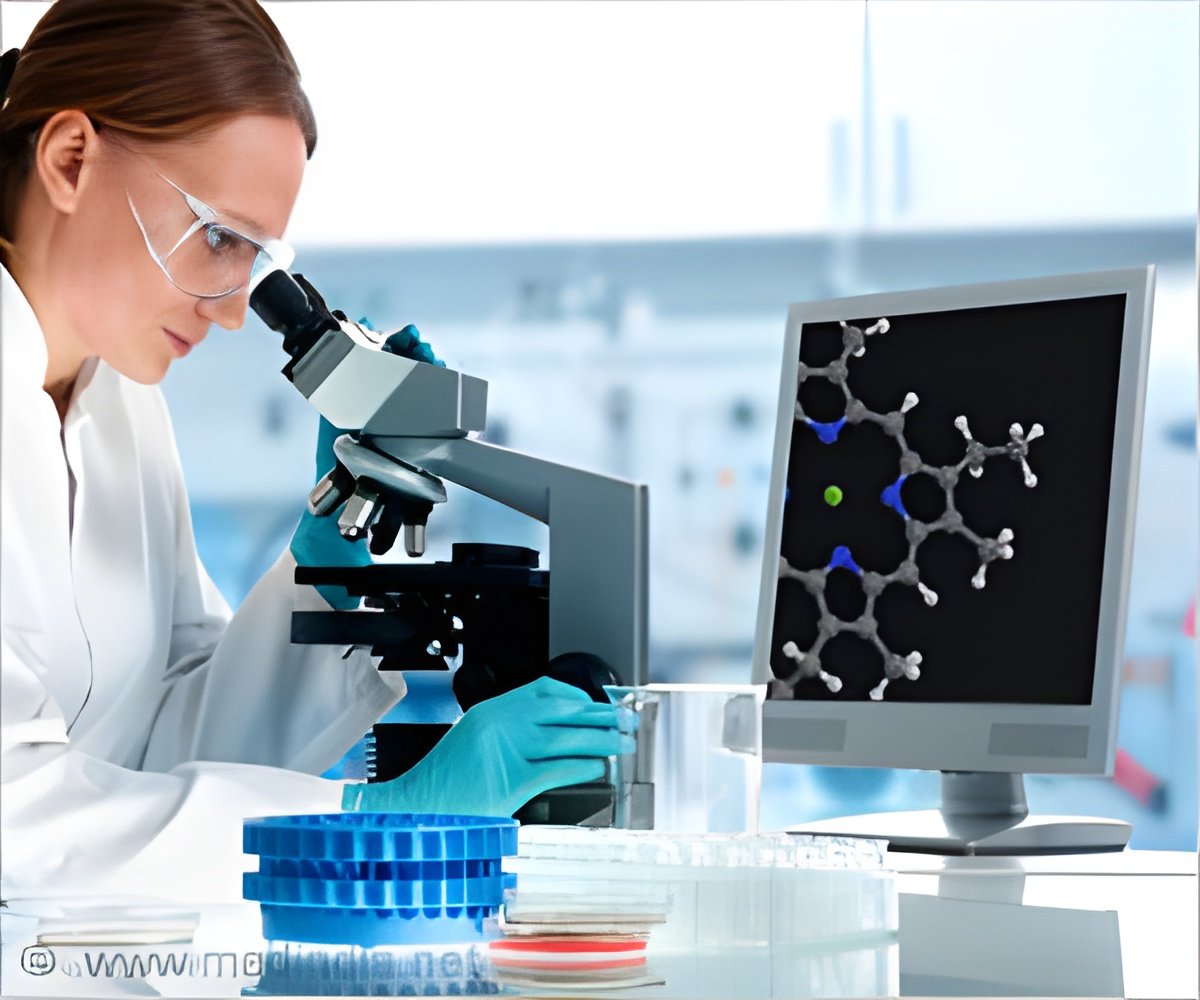
Monash Biomedicine Discovery Institute's Professor Mibel Aguilar leads a group that has pioneered the application of newly-developed biosensors, which can be used to study how the biomembrane responds to the binding of biomolecules. This technology makes it possible to study molecules whose effects are known to be linked to the interaction with a cell membrane, such as hormones and antibacterial agents.
"We can also design other molecules that can enter and even destroy the biomembrane, such as agents that could preferentially kill invading organisms. This could be a useful way to design novel anti-infective drugs by selectively targeting unwanted invading cells," she said. In a paper published today in Chemical Reviews, Professor Aguilar and her team provide the first authoritative review of the field of membrane-based optical biosensors and chart the development of biosensor technologies. The review also highlights the capabilities of these new biosensors, including the ability to measure how strongly and how rapidly something - like a disease - can bind to the biomembrane, and more importantly, the ability to allow researchers to observe how the biomembrane reacts when molecules bind to it and try to penetrate the cell.

Now Biosensor Technology-Enabled Wearable Device Can Help Monitor Health
Biosensor technology could be used to monitor your health and exposure to dangerous bacteria, viruses and pollutants.
Biosensor technology could be used to monitor your health and exposure to dangerous bacteria, viruses and pollutants.
Source-Eurekalert

Now Biosensor Contact Lens Can Detect Glucose Levels
Scientists have developed an inexpensive biosensor which can be used to detect even trace amounts of glucose thus enabling early detection.
Scientists have developed an inexpensive biosensor which can be used to detect even trace amounts of glucose thus enabling early detection.

Biosensor Designed to Detect HIV Within One Week of Infection
A newly developed biosensor is found to detect HIV infection within one week of entry using a test with duration less than 5 hours.
A newly developed biosensor is found to detect HIV infection within one week of entry using a test with duration less than 5 hours.
 Email
Email