MEDINDIA
 English
 हिन्दी
 Español
 français
 中文
中文
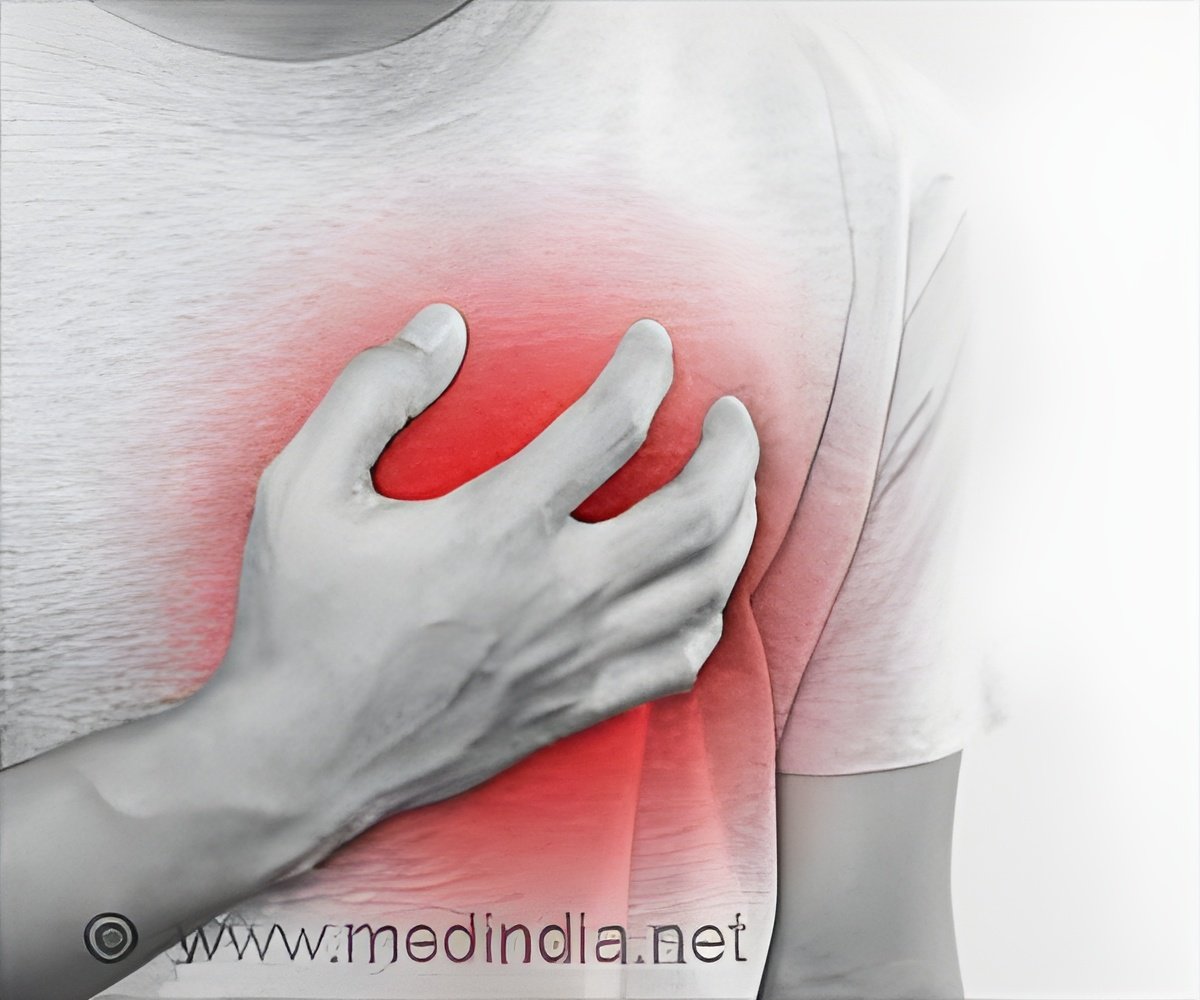
Biomarker can predict which heart failure patients are athigher risk of dying within one to three years, reports a new study.
Congestive Heart Failure (Congestive Cardiac Failure) Current Management
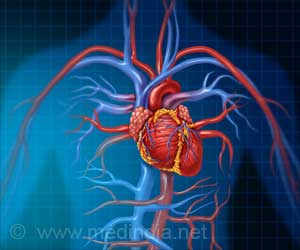
Congestive heart failure (CHF) is a condition in which the heart fails to work adequately as a pump that can deliver oxygen rich blood to the body.
Congestive heart failure (CHF) is a condition in which the heart fails to work adequately as a pump that can deliver oxygen rich blood to the body.
TOP INSIGHT

Patients with higher levels of neuropeptide Y, a molecule released by the nervous system, are ten times more likely to die within one to three years.
The researchers analyzed blood from 105 patients with stable heart failure, searching for a distinct biomarker in the blood that could predict how likely a person would be to die within a few years. They found that neuropeptide Y levels were the clearest and most significant predictor. The scientists also compared nerve tissue samples from patients with samples from healthy donors and determined that the neurons in the people who were at most at risk for dying from heart failure were likely releasing higher levels of neuropeptides.
The results could give scientists a way to distinguish very-high-risk patients with stable heart failure from others with the same condition, which could inform which patients might require more aggressive and targeted therapies. The study also highlights the need for heart failure therapies that target the nervous system.

Transcendental Meditation can Prevent You From Chronic Heart Failure
Transcendental meditation can prevent the disease process, especially helps in preventing abnormal enlargement of the heart and also reduces the risk of developing chronic heart failure.
Transcendental meditation can prevent the disease process, especially helps in preventing abnormal enlargement of the heart and also reduces the risk of developing chronic heart failure.
The study’s first author is Dr. Olujimi Ajijola, a cardiologist at Ronald Reagan UCLA Medical Center. Dr. Jagmeet Singh, a cardiologist and associate chief of the cardiology division at Massachusetts General Hospital/Harvard University, is a co-author, and Dr. Neil Herring, associate professor of cardiology at Oxford University, is the senior author.
Diabetes Puts Women at Greater Risk of Heart Failure Than Men
Diabetes increases the risk of heart failure more in women than men. Type 1 and Type 2 diabetes cause a 47 percent and 9 percent excess risk of heart failure in women, respectively.
Diabetes increases the risk of heart failure more in women than men. Type 1 and Type 2 diabetes cause a 47 percent and 9 percent excess risk of heart failure in women, respectively.
Source-Newswise

Healthy Gut Bacteria Reduce Risk of Death in Heart Failure Patients
A diet rich in dietary fiber is associated with the growth of healthier gut bacteria, which in turn reduce the risk of death in heart failure patients or the need for a heart transplant, reveals a recent study.
A diet rich in dietary fiber is associated with the growth of healthier gut bacteria, which in turn reduce the risk of death in heart failure patients or the need for a heart transplant, reveals a recent study.
 Email
Email