MEDINDIA
 English
 हिन्दी
 Español
 français
 中文
中文
The ability to make random choices evolves over a person’s lifetime. However, aging diminishes a person’s ability to behave randomly.


Biomarker Identified for Early Cognitive Decline in Patients
Study gives insight into the mechanisms that underlie cognitive decline in Parkinson's disease and represent the first steps in the development of a biomarker.
Study gives insight into the mechanisms that underlie cognitive decline in Parkinson's disease and represent the first steps in the development of a biomarker.
TOP INSIGHT

Twenty-five is the golden age when humans outcompete many computer algorithms in generating seemingly random patterns.
The five tasks included listing the hypothetical results of a series of 12 coin flips so that they would "look random to somebody else," guessing which card would appear when selected from a randomly shuffled deck, and listing the hypothetical results of 10 rolls of a die--"the kind of sequence you'd get if you really rolled a die."
The scientists analyzed the participants' choices according to their algorithmic randomness, which is based on the idea that patterns that are more random are harder to summarize mathematically. After controlling for characteristics such as gender, language, and education, they found that age was the only factor that affected the ability to behave randomly. This ability peaked at age 25, on average, and declined from then on.
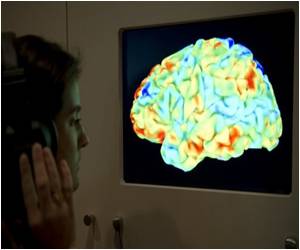
Older Brains Slow Due to Greater Experience, Not Cognitive Decline
What happens to our cognitive abilities as we grow older? Traditionally it is thought that age leads to a steady deterioration of brain function.
What happens to our cognitive abilities as we grow older? Traditionally it is thought that age leads to a steady deterioration of brain function.
The study also demonstrated that a relatively short list of choices, say 10 hypothetical coin flips, can be used to reliably gauge randomness of human behavior. The authors are now using a similar approach to study potential connections between the ability to behave randomly and such things as cognitive decline and neurodegenerative diseases.

Vitamin D Insufficiency may Fast-Track Cognitive Decline In Older Individuals
Vitamin D insufficiency iss associated with significantly faster declines in both episodic memory and executive function performance, like dementia.
Vitamin D insufficiency iss associated with significantly faster declines in both episodic memory and executive function performance, like dementia.

After Surgery, Aspirin Triggered Resolvin Protects Against Cognitive Decline
Resolvins are molecules naturally produced by the body from omega-3 fatty acids. This is a process that can be jumpstarted by common aspirin.
Resolvins are molecules naturally produced by the body from omega-3 fatty acids. This is a process that can be jumpstarted by common aspirin.
 Email
Email