MEDINDIA
 English
 हिन्दी
 Español
 français
 中文
中文
Organoids are tiny lab-grown 3D cell structures that mimic real human or animal organs for research.
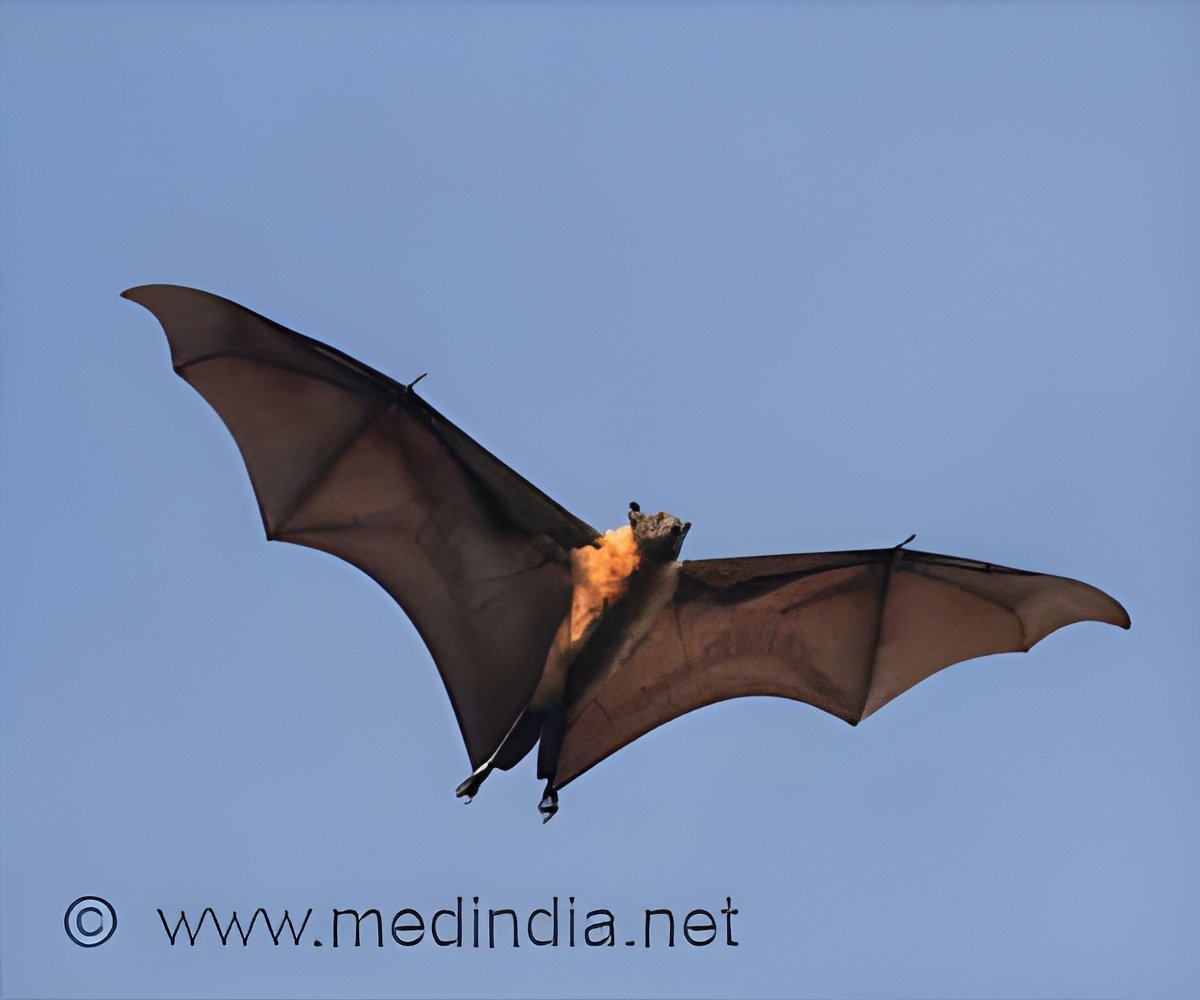
Diverse bat organoids provide pathophysiological models for zoonotic viruses
Go to source). Now, a major advancement led by Korea's Institute for Basic Science (IBS) and global partners has introduced a groundbreaking bat organoid platform. These lab-grown "mini-organs" are developed from five widely found bat species across Asia and Europe, representing four key organs: lungs, airway, kidneys, and small intestine.

Middle East Respiratory Syndrome
MERS, a newly discovered respiratory disease, was recently reported in the Arabian region. MERS is caused by a virus similar to that causing common cold and other respiratory illnesses.
MERS, a newly discovered respiratory disease, was recently reported in the Arabian region. MERS is caused by a virus similar to that causing common cold and other respiratory illnesses.
TOP INSIGHT

Visionary research aims to create a global biobank for #biosecurity! This resource will unlock secrets of cross-species virus spread & boost global #preparedness. #GlobalHealthSecurity #Biobank
IBS Develops Advanced Bat Organoid Platform from Five Species
“Reconstructing bat organ physiology in the lab lets us explore how zoonotic viruses—those that jump from animals to humans—work, in unprecedented detail,” said KOO Bon-Kyoung, Director of the IBS Center for Genome Engineering.Armed with these new tools, the researchers were able to directly test how key viruses—including SARS-CoV-2, MERS-CoV, influenza A, and hantavirus—infect different bat species and organs. They found that each virus behaves uniquely, sometimes infecting only certain organs or bat species. For example, a virus that grew easily in one bat’s lung might fail to grow in another’s kidney. This helps explain why some viruses can jump to humans, while others remain confined to bats.
Senior Researcher KIM Hyunjoon emphasized, “This platform lets us isolate viruses, study infections, and test drugs all within one system —something you can’t do with ordinary lab cell models. By mimicking the bat’s natural environment, it boosts the accuracy and real-world value of infectious disease research.”

Quiz on Flu
Influenza (or rather, the flu) is a cold weather infectious condition that affects the young and old alike. Though most reported cases are mild, the flu can sometimes cause severe and life-threatening complications in both children and adults, ...
Influenza (or rather, the flu) is a cold weather infectious condition that affects the young and old alike. Though most reported cases are mild, the flu can sometimes cause severe and life-threatening complications in both children and adults, ...
Another big achievement was the discovery of two previously unknown bat viruses—a mammalian orthoreovirus and a paramyxovirus—directly from wild bat feces. Notably, one of these viruses could not be grown in standard cell cultures but thrived in the new bat organoids, proving just how valuable this technology is for future virus isolation.

COVID in Children
Covid-19 virus has affected many children during the second wave. Many factors play a role in COVID in children and the management of COVID in children. Therefore, it is highly essential for parents to know and understand the symptoms in children.
Covid-19 virus has affected many children during the second wave. Many factors play a role in COVID in children and the management of COVID in children. Therefore, it is highly essential for parents to know and understand the symptoms in children.
This bat organoid platform marks a new era for infectious disease research, making it possible to safely and effectively study dangerous viruses in a setting that closely mirrors real life. For the first time, scientists can screen for new viruses, assess their risk, and test drugs using bat tissues from multiple species and organs.

Is Monkeypox the Next Pandemic?
Mpox (Monkeypox) is spreading worldwide, but is it as dangerous as COVID-19? Explore the facts and WHO's stance on this growing health concern.
Mpox (Monkeypox) is spreading worldwide, but is it as dangerous as COVID-19? Explore the facts and WHO's stance on this growing health concern.
The research team envisions expanding this work into a global biobank resource that will serve as a cornerstone for both national and international biosecurity efforts. This initiative will enable deeper investigation into the viral features that drive cross-species transmission, support the development of comprehensive genetic maps of key bat species, and facilitate global preparedness. Ultimately, this platform will support efforts by health organizations, including the World Health Organization (WHO), to predict and prevent future pandemics.
Reference:
- Diverse bat organoids provide pathophysiological models for zoonotic viruses - (https://www.science.org/doi/10.1126/science.adt1438)
Source-Eurekalert
 Email
Email