MEDINDIA
 English
 हिन्दी
 Español
 français
 中文
中文
New study findings lay the framework for applying deep learning and computer vision techniques to radiological imaging.

Artificial Intelligence in Healthcare - An Overview
Artificial intelligence (AI) in healthcare is the discipline using data intensive computer based solutions to improve patient care and outcome.
Artificial intelligence (AI) in healthcare is the discipline using data intensive computer based solutions to improve patient care and outcome.
TOP INSIGHT

First study to utilize artificial intelligence for detecting a wide range of acute neurologic events and to demonstrate a direct clinical application.
This study used "weakly supervised learning approaches," which built on the research team's expertise in natural language processing and the Mount Sinai Health System's large clinical datasets. Dr. Oermann says the next phase of this research will entail enhanced computer labeling of CT scans and a shift to "strongly supervised learning approaches" and novel techniques for increasing data efficiency. Researchers estimate the goal of re-engineering the system with these changes will be accomplished within the next two years. "The expression 'time is brain' signifies that rapid response is critical in the treatment of acute neurological illnesses, so any tools that decrease time to diagnosis may lead to improved patient outcomes," says study co-author Joshua Bederson, MD, Professor and System Chair for the Department of Neurosurgery at Mount Sinai Health System and Clinical Director of the Neurosurgery Simulation Core.
"The application of deep learning and computer vision techniques to radiological imaging is a clear imperative for 21st century medical care," says study author Burton Drayer, MD, the Charles M. and Marilyn Newman Professor and System Chair of the Department of Radiology for the Mount Sinai Health System, CEO of the Mount Sinai Doctors Faculty Practice, and Dean for Clinical Affairs of the Icahn School of Medicine.

Quiz on Stroke
Stroke is the third leading cause of death world over. Besides, it also disables the affected people, making them completely dependent on caregivers for their daily needs. Lifestyle greatly affects the chances of developing a stroke. Thus, the incidence of stroke can be brought down to a great extent by leading a healthy lifestyle. Here is a quiz that tests if you know enough about this disabling condition.
Stroke is the third leading cause of death world over. Besides, it also disables the affected people, making them completely dependent on caregivers for their daily needs. Lifestyle greatly affects the chances of developing a stroke. Thus, the incidence of stroke can be brought down to a great extent by leading a healthy lifestyle. Here is a quiz that tests if you know enough about this disabling condition.
Artificial Intelligence (AI) Performs Better Than Dermatologists in Diagnosing Skin Cancer
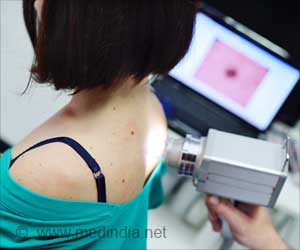
Artificial intelligence (AI) or deep machine learning appears to be more accurate and experienced compared to dermatologists in the diagnosis of melanoma, the most aggressive form of skin cancer.
Artificial intelligence (AI) or deep machine learning appears to be more accurate and experienced compared to dermatologists in the diagnosis of melanoma, the most aggressive form of skin cancer.

Artificial Intelligence: Key to Mood Disorders Diagnosis
New study suggests existence of biomarker for distinguishing major depressive disorder from bipolar disorder.
New study suggests existence of biomarker for distinguishing major depressive disorder from bipolar disorder.
 Email
Email