MEDINDIA
 English
 हिन्दी
 Español
 français
 中文
中文
Using routine brain imaging tests data, a new deep-learning algorithm was able to detect Alzheimer’s disease with 90.2% accuracy.

Alzheimer’s disease - Causes, Symptoms, Diagnosis, Stages, Types, Prevention, Prognosis & Treatment
Alzheimer's disease is a progressive neurodegenerative disease affecting memory and thinking and making the person increasingly dependent on others.
Alzheimer's disease is a progressive neurodegenerative disease affecting memory and thinking and making the person increasingly dependent on others.
TOP INSIGHT

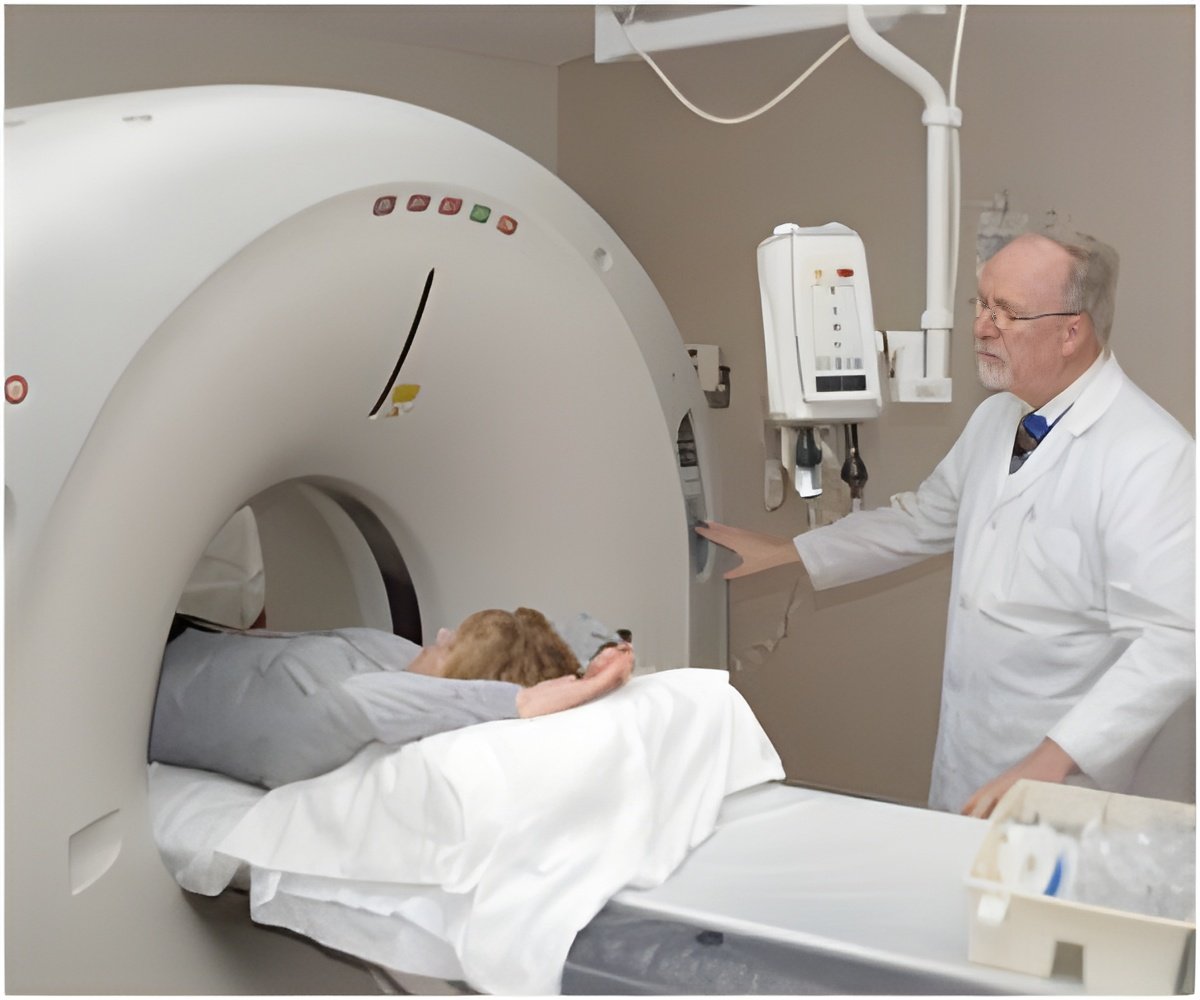
Scientists developed a model for Alzheimer’s disease detection based on data from brain magnetic resonance images (MRIs).
Next, the group tested the model across five datasets—MGH post-2019, Brigham and Women’s Hospital pre- and post-2019, and outside systems pre- and post-2019—to see if it could accurately detect Alzheimer’s disease based on real-world clinical data, regardless of hospital and time.
Making Strides in Detecting Alzheimer’s Disease Signs
Overall, the research involved 11,103 images from 2,348 patients at risk for Alzheimer’s disease and 26,892 images from 8,456 patients without Alzheimer’s disease. Across all five datasets, the model detected Alzheimer’s disease risk with 90.2% accuracy.
Diet and Alzheimer's Disease
Alzheimer's begins with forgetfulness, but over time affects speech and coordination along with drastic behavioral changes. The right diet may lower your risk by 40%. So isn't a diet change worth it?
Alzheimer's begins with forgetfulness, but over time affects speech and coordination along with drastic behavioral changes. The right diet may lower your risk by 40%. So isn't a diet change worth it?
Researchers have addressed this by making the deep learning model ‘blind’ to features of the brain that it finds to be overly associated with the patient's listed age.
Smart Lens to Detect Alzheimer�s Disease Developed
A smart intraocular lens that can be implanted in the eye to detect Alzheimer’s disease has been developed
A smart intraocular lens that can be implanted in the eye to detect Alzheimer’s disease has been developed
These results—with cross-site, cross-time, and cross-population generalizability—make a strong case for the clinical use of this diagnostic technology.

Novel Biomarker Helps Diagnose Alzheimer�s Disease
A blood test for Alzheimer’s disease has been created by researchers, which could pave the door for better research and less invasive diagnosis of the condition.
A blood test for Alzheimer’s disease has been created by researchers, which could pave the door for better research and less invasive diagnosis of the condition.
Source-Eurekalert
 Email
Email