MEDINDIA
 English
 हिन्दी
 Español
 français
 中文
中文
The editorial highlights how sex and gender differences affect antibiotic dosing, treatment response, and sepsis outcomes.
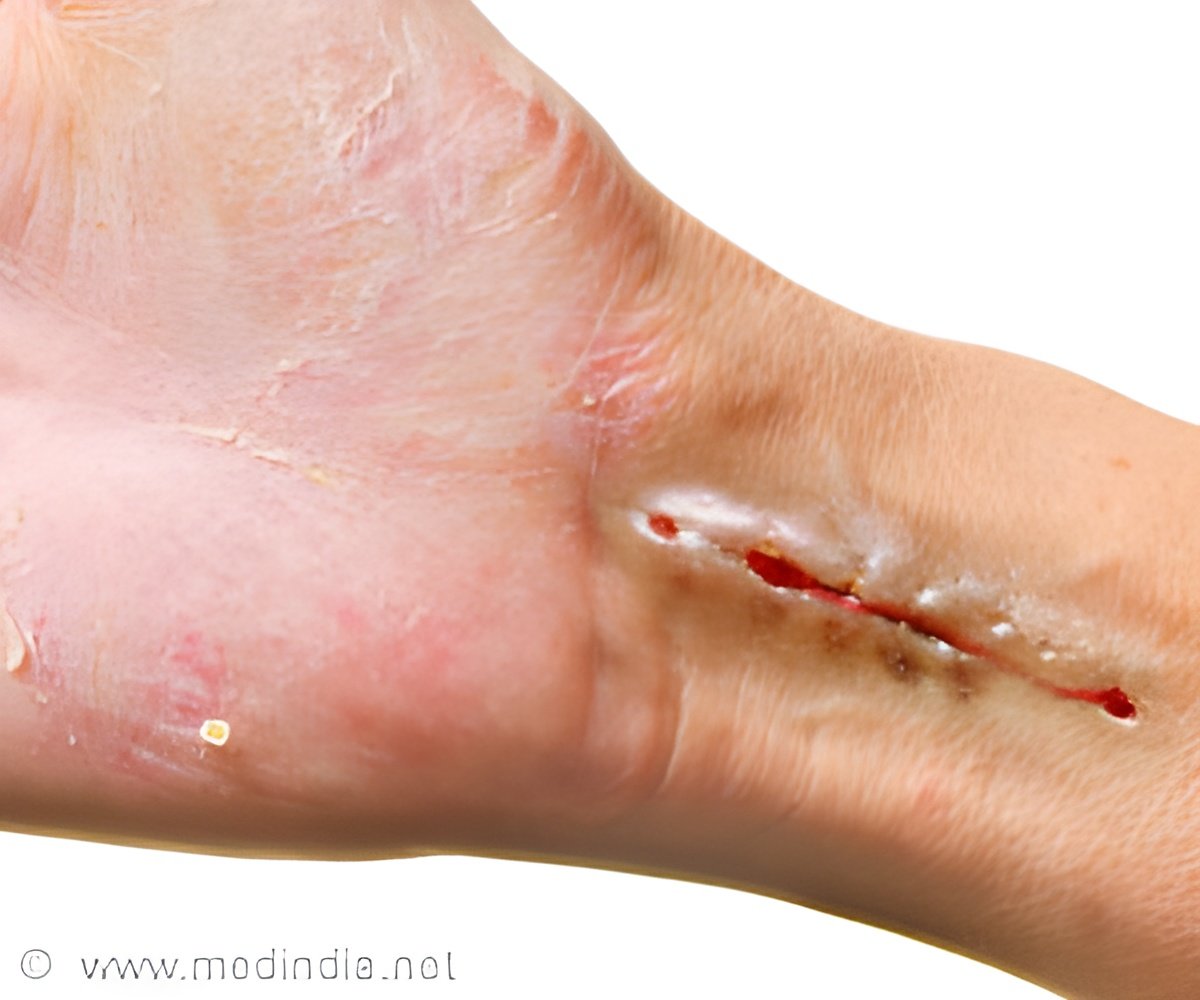
Sex-related differences in antimicrobial dosing for sepsis: Bridging the equity gap
Go to source). In particular, differences in biological sex and the influence of gender on healthcare delivery are frequently overlooked, potentially leading to suboptimal treatment outcomes.
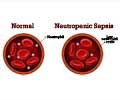
Neutropenic Sepsis
Neutropenic sepsis is a potentially life-threatening condition when a patient with low neutrophil counts develops an infection that spirals out of control if not treated urgently and is usually seen in cancer patients on chemotherapy.
Neutropenic sepsis is a potentially life-threatening condition when a patient with low neutrophil counts develops an infection that spirals out of control if not treated urgently and is usually seen in cancer patients on chemotherapy.
TOP INSIGHT

The "one-size-fits-all" approach in #sepsis is failing. Women are at higher risk of #drugtoxicity due to lower #musclemass and slower drug clearance. Young men with high clearance are often underdosed, risking treatment failure. Time for Therapeutic Drug Monitoring (#TDM) to close this gap.
Sex and Gender Differences in Antibiotic Dosing
Authored by Dr. Helena Barrasa, Dr. Goiatz Balziskueta, and Prof. Jordi Rello, the piece draws attention to the pharmacokinetic and pharmacodynamic differences between men and women that can significantly influence how antibiotics are metabolized and utilized.The authors argue that ignoring these differences—and the broader gender-related disparities in healthcare access and treatment—can compromise patient outcomes, particularly for women, and call for the integration of sex- and gender-informed approaches into antimicrobial dosing strategies.

Septicemia
Septicemia or sepsis is a serious illness wherein a patient develops symptoms due to presence of microbes or their toxins in the blood. Septicemia or sepsis is caused by bacteria, viruses and fungi.
Septicemia or sepsis is a serious illness wherein a patient develops symptoms due to presence of microbes or their toxins in the blood. Septicemia or sepsis is caused by bacteria, viruses and fungi.
"Standard dosing overlooks key biological differences," said the authors. "Women, due to altered metabolism and lower muscle mass, are more vulnerable to adverse effects, while young men often eliminate drugs too quickly to maintain therapeutic levels."
Test Your Knowledge on Sepsis
Sepsis or septicemia occurs when the body responds in an exaggerated manner to infection resulting in bloodstream infection with severe tissue damage and multiple organ failure and death if not managed promptly. Take this quiz to test your knowledge ...
Sepsis or septicemia occurs when the body responds in an exaggerated manner to infection resulting in bloodstream infection with severe tissue damage and multiple organ failure and death if not managed promptly. Take this quiz to test your knowledge ...
Addressing Sex and Gender Gaps in Sepsis Care
These inequities compound the biological differences already influencing pharmacokinetics and pharmacodynamics. Standardized dosing often overlooks how women are more prone to antibiotic overexposure and adverse reactions, while younger men with augmented renal clearance face underdosing and treatment failure. Such imbalances highlight the urgency of tailoring antimicrobial therapy more precisely.
World Sepsis Day: Let's Raise Awareness on a Global Scale
Sepsis: Silent killer caused by infections. Early recognition saves lives. Join the fight on World Sepsis Day.
Sepsis: Silent killer caused by infections. Early recognition saves lives. Join the fight on World Sepsis Day.
In conclusion, Prof. Rello stated, "Understanding the differences shaped by sex and gender is essential to advancing personalized medicine and represents a commitment to reducing the equity gap."
Reference:
- Sex-related differences in antimicrobial dosing for sepsis: Bridging the equity gap - (https://www.sciencedirect.com/science/article/pii/S2667100X2500057X?via%3Dihub)
Source-Eurekalert
 Email
Email