MEDINDIA
 English
 हिन्दी
 Español
 français
 中文
中文
Traumatic events can impact youngsters’ attitudes, thoughts and behavior to the point that professional intervention may be needed.

Post Traumatic Stress Disorder (PTSD) - Causes, Symptoms, Risk Factors, Complications, Dignosis, Treatment
Post Traumatic Stress Disorder (PTSD), is a mental condition triggered by a traumatic event. PTSD treatment includes pyschotherapy, behavior therapy and medications.
Post Traumatic Stress Disorder (PTSD), is a mental condition triggered by a traumatic event. PTSD treatment includes pyschotherapy, behavior therapy and medications.
TOP INSIGHT

News reports, conversations between adults overheard and law enforcement activities witnessed, can impact kids’ attitudes, thoughts and behavior to the point that professional intervention may be needed.
“Children of all ages are reacting as if they have experienced a traumatic event. Some would say they have,” said Maureen Brogan, TLC statewide coordinator.
Rutgers Today spoke with Brogan about how parents and educators can help children maintain or regain their sense of safety and security, particularly following violent tragedies such as those that have occurred in recent months.

Seeking Clarity in Traumatic Events
Avoid social media and news reports to adopt a more simple understanding of the traumatic event, a new research suggests
Avoid social media and news reports to adopt a more simple understanding of the traumatic event, a new research suggests
Brogan: Breaking news could raise the level of anxiety and concern unnecessarily. What is important to remember at all times is that children look to adults for their reactions. They are very attuned. If we abruptly say ‘turn off the news,’ they may think things are very bad. Instead, we should talk about the news with them. When breaking news is being reported, some details are often sketchy and some reporting may not be accurate. We should explain that and try to give some perspective. It is also an opportunity to teach children about reliable news sources and help them separate what is fact from what is opinion, since it can be difficult for them to distinguish between the two.

Genes can Affect Traumatic Events
Research has indicated that trauma is not just psychological, but biological and even heritable.
Research has indicated that trauma is not just psychological, but biological and even heritable.
How should we explain why violence is occurring?
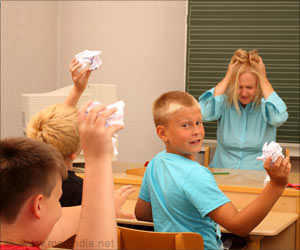
Adverse Childhood Linked With Poor Academic Performance, Behavior Problems
Adverse experiences in early childhood, including incarceration of a parent, and physical and psychological abuse, impede on learning and behavior development.
Adverse experiences in early childhood, including incarceration of a parent, and physical and psychological abuse, impede on learning and behavior development.
What are some of the more recognizable warning signs from a child emotionally impacted by watching news reports or witnessing violence?
Brogan: In younger children, we may see some physical symptoms and signs of raised anxiety, such as stomach aches, changes in eating habits, nightmares. When children have trouble focusing, that could be a red flag that their thinking is going somewhere other than where it should be at the time. They may experience separation anxiety and want their parents not to leave them to go to work. Some become sad and withdrawn, some may refuse to attend school, and others worry excessively about someone they love becoming a victim. While a certain level of fear or anxiety is normal, if reactions are particularly strong and interfering with their normal lives, you may want to explore seeking professional help.
If events occur while children are at school, who can they rely on to discuss what is occurring?
Brogan: You should encourage children to develop a few “trusted adults,” such as an extended family member, a coach, a maintenance worker, a teacher, a security guard – people whom they trust and who are responsible individuals. Many school systems have “trusted adults” programs so that children can talk to caring and trusted adults when troubling events occur. When children return home, it will be helpful to talk about what they discussed with their trusted adults. This creates a safety net to help in the aftermath of a traumatic event.
The Traumatic Coalitions for Youth encourages parents and educators to view additional helpful information provided by The Traumatic Loss Coalitions for Youth and by the National Child Traumatic Stress Network.
Source-Newswise
 Email
Email