MEDINDIA
 English
 हिन्दी
 Español
 français
 中文
中文
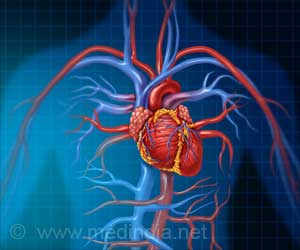
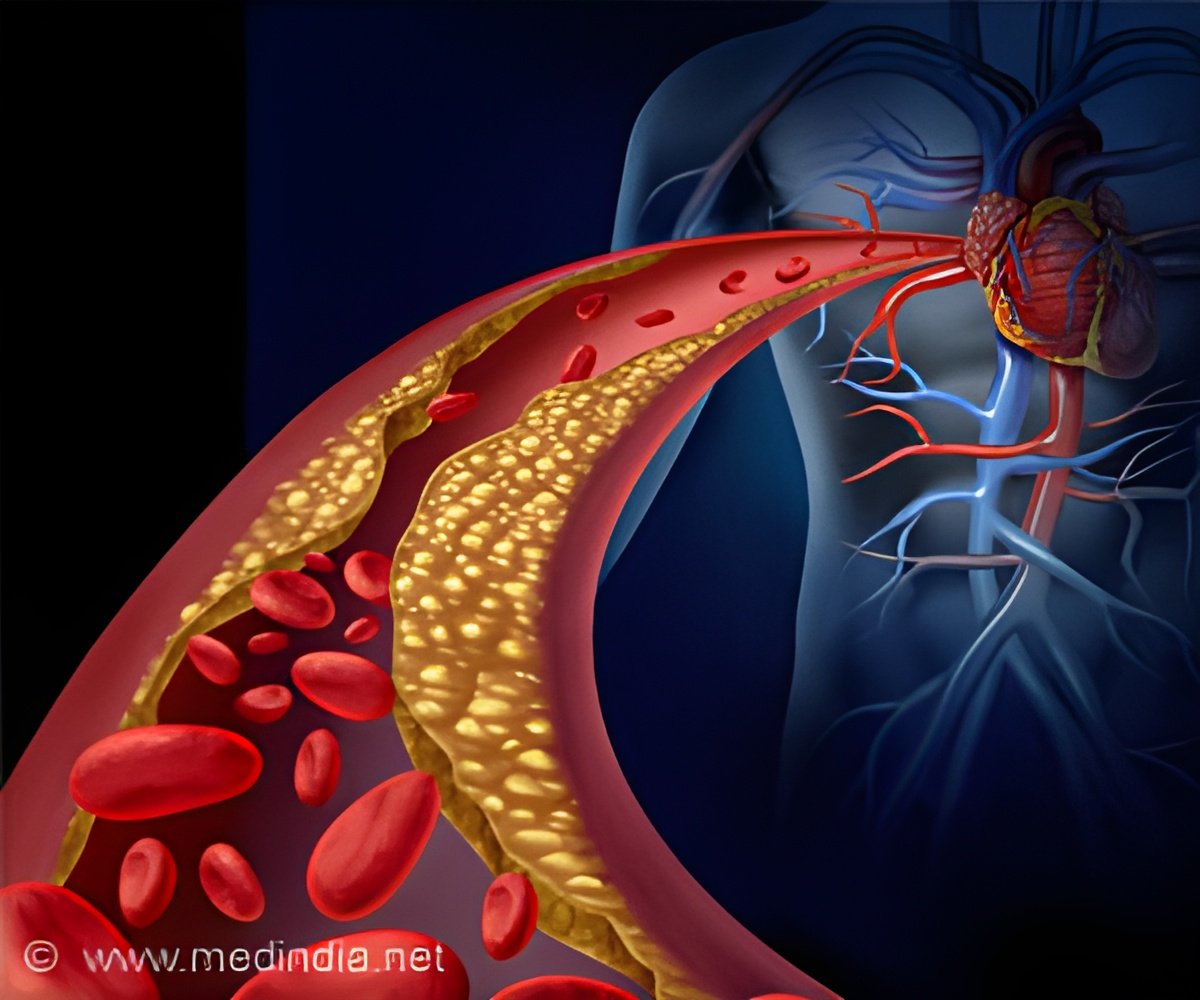
Heart disease is leading causes of death and disability. Cardiotrophin 1 or CT1 can induce the heart to grow in a healthy way and increase the blood flow.
Congenital Heart Disease – Septal Defects
Heart diseases that are present at birth are called “ Congenital heart diseases”.
Heart diseases that are present at birth are called “ Congenital heart diseases”.
TOP INSIGHT

Heart attack is caused by a blockage of blood flow to the heart muscle. A molecule that mimics the effect of exercise could treat heart failure by repairing damaged cardiac tissue.
"When part of the heart dies, the remaining muscles try to adapt by getting bigger, but this happens in a dysfunctional way and it doesn't actually help the heart pump more blood," said Dr. Lynn Megeney, senior author of the study and a senior scientist at The Ottawa Hospital and professor at the University of Ottawa.
"We found that CT1 causes heart muscles to grow in a more healthy way and it also stimulates blood vessel growth in the heart. This actually increases the heart's ability to pump blood, just like what you would see with exercise and pregnancy."
Many People Are Better at Naturally Recovering from Heart Attack
Not all individuals are destined to permanent heart muscle loss after a heart attack, but rather some can naturally recover both heart muscle mass and function.
Not all individuals are destined to permanent heart muscle loss after a heart attack, but rather some can naturally recover both heart muscle mass and function.
- Heart muscle cells treated with CT-1 become longer, healthier fibres, while those treated with PE just grow wider.
- CT-1 causes blood vessels to grow alongside the new heart muscle tissue and increases the heart's ability to pump blood, while PE does neither.
- When CT-1 treatment stops, the heart goes back to its original condition, just like it does when exercise or pregnancy end. However, the dysfunctional heart growth caused by PE is irreversible.
- CT-1 dramatically improves heart function in two animal models of heart failure - one caused by a heart attack (affecting the left side of the heart) and one caused by high blood pressure in the lungs (pulmonary hypertension, affecting the right side of the heart).
- Both CT-1 and PE stimulate heart muscle growth through a molecular pathway that has traditionally been associated with promoting cell suicide (apoptosis), but CT-1 has a better ability to control this pathway.
"An intriguing aspect of this research was how human CT1 was able to promote a healthy growth response in multiple animal models," said co-author Dr. Patrick Burgon, scientist at the University of Ottawa Heart Institute and assistant professor at the University of Ottawa. "This suggests the action of CT1 is universally conserved and puts us much closer to therapy."

Shingles Patients At An Increased Risk of Heart Attack, Stroke
The risk for stroke is highest among those under 40 years of age and it is important to create awareness on heart diseases among patients with shingles.
The risk for stroke is highest among those under 40 years of age and it is important to create awareness on heart diseases among patients with shingles.
Dr. Megeney and Dr. Stewart have patents pending for the use of CT-1 to treat heart conditions and they hope to develop partnerships to test this protein in patients. If this testing is successful it will take a number of years for the treatment to become widely available.
Can Beta-Blockers Benefit Heart Attack Patients?
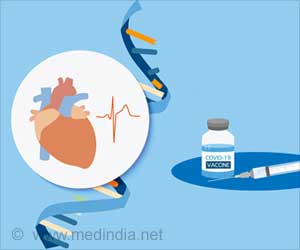
Heart attack occurs when there is damage to the heart muscle. Beta-blockers may not show possible benefits in heart attack patients, reveals study.
Heart attack occurs when there is damage to the heart muscle. Beta-blockers may not show possible benefits in heart attack patients, reveals study.
 Email
Email