MEDINDIA
 English
 हिन्दी
 Español
 français
 中文
中文
Antibiotics these days have become less effective against certain bacteria like N. gonorrhoeae. This is due to overuse and antibiotic misuse.


Lack of Standard Definition and Treatment Hampering Approach Towards Emerging Multi-Drug Resistant Infections
Previous research has shown that infection control practices for detecting patients infected with emerging multidrug-resistant bacteria vary significantly between hospitals.
Previous research has shown that infection control practices for detecting patients infected with emerging multidrug-resistant bacteria vary significantly between hospitals.
TOP INSIGHT

The discovery of new antibiotic called closthioamide aids in fighting against N. gonorrhoeae bacteria.
The standard WHO recommended treatment combines the antibiotics ceftriaxone and azithromycin, but without treatment, gonorrhoea infection can lead to pelvic inflammatory disease and infertility in adults, and vision damage in babies when passed from the mother during childbirth.
Now, for the first time, researchers from Imperial College London and the London School of Hygiene & Tropical Medicine have tested the new antibiotic, closthioamide, on gonorrhoea samples in the laboratory.
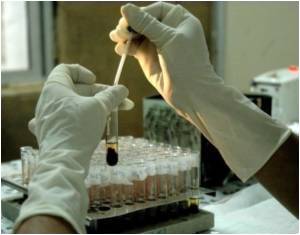
Novel Discovery Aids the Treatment of Multi-drug Resistant Infections
Recent discovery by scientists has led to new and effective ways to treat multi-drug resistant (MDR) infections.
Recent discovery by scientists has led to new and effective ways to treat multi-drug resistant (MDR) infections.
Although still yet to be tested on animals and humans, the researchers say the antibiotic could be an exciting new step in the fight against the disease. The paper is published in the journal Antimicrobial Agents and Chemotherapy.

Purity of Ganga River - A Scientific Approach
Ganga water, known for its self purifying properties, is now scientifically proven to have potential use against multidrug resistant diseases like cholera.
Ganga water, known for its self purifying properties, is now scientifically proven to have potential use against multidrug resistant diseases like cholera.
Victoria Miari, lead author from the London School of Hygiene & Tropical Medicine, said: "Antibiotic resistance, combined with the reduction of drug development, is one of the biggest health issues facing the world today. The problem threatens to render many human and animal infections untreatable, including gonorrhoea. With no effective vaccine available, new antibiotics are urgently needed to tackle this infection which, left untreated, can have very serious consequences."

Drug Resistant Super Bugs Cause 23,000 Deaths in America Annually
The number of people who die from drug-resistant bacteria each year has shot above 23,000.
The number of people who die from drug-resistant bacteria each year has shot above 23,000.
The authors explained that discovering and developing new antibiotics is difficult and time-consuming, hence the slow pace of antibiotic discovery.
Dr Heap said: "We believe there are many undiscovered antibiotics out there in nature, but they are difficult to find and test. For example, the bacteria which produce closthioamide naturally make only tiny amounts that are not enough to test or use, so we had to chemically manufacture it ourselves by mimicking its natural structure."
This is an early stage laboratory-based study, so scientists have yet to determine closthioamide's effectiveness in animals and humans. Dr Heap explained: "The next step will be to continue lab research to further assess the drug's safety and effectiveness. Despite showing tremendous promise, it will be a number of years before, and if, we can use the drug in real life human cases."
Source-Eurekalert
 Email
Email