MEDINDIA
 English
 हिन्दी
 Español
 français
 中文
中文
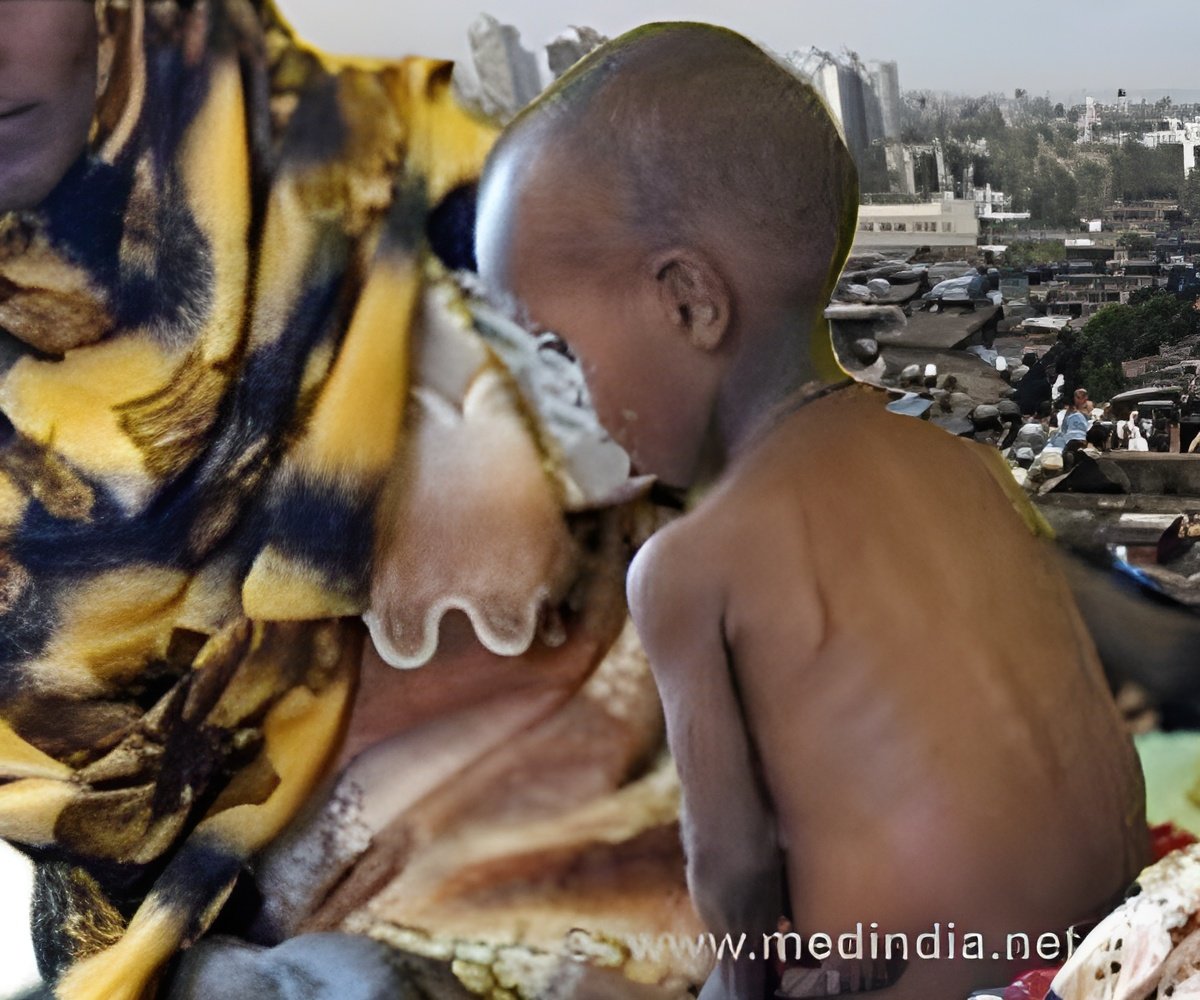
The device can compute weight, height, body mass index and test the blood of the child to assess its nutritional status and also suggest the necessary solutions.

Malnutrition to Obesity - The Big Leap
Obesity is the root cause of problems like diabetes, heart disease, stroke, arthritis and gall bladder disease. A serious look at our strategies is needed to tackle this fast growing epidemic.
Obesity is the root cause of problems like diabetes, heart disease, stroke, arthritis and gall bladder disease. A serious look at our strategies is needed to tackle this fast growing epidemic.
The cradle-shaped device can compute weight, height, body mass index and test the blood of the child to assess its nutritional status.
The device provides results for blood count, protein or vitamin deficiency, whether the child is malnourished or undernourished, the machine also provides possible solutions to the problems observed.
UN: Global Malnutrition Costs 'Unacceptably High'
According to the United Nations, malnutrition problems cost the world 3.5 trillion dollars, where 500 dollars are spent on every person for improving health and avoiding lost productivity.
According to the United Nations, malnutrition problems cost the world 3.5 trillion dollars, where 500 dollars are spent on every person for improving health and avoiding lost productivity.
"Trial run for the machine should be arranged at a secondary or tertiary care center before it can be used at primary level. It could come in handy if it is portable. Rather than being electrical, it could be made battery-operated or better still a hybrid," said Dr Satish Gogulwar of Gadchiroli-based Amhi Amchya Arogyasathi. He added that getting real-time measures through such machines rather than depending on laboratories can help save time and resources.
Significant Gap Found in Detection of Malnutrition in Canadian Hospital Patients
A significant gap is shown by new survey of Canadian physicians between optimal practices to detect nutrition problems in hospitalized patients and what action is actually taking place.
A significant gap is shown by new survey of Canadian physicians between optimal practices to detect nutrition problems in hospitalized patients and what action is actually taking place.
Source-Medindia
Digital Mass Education Program in India To Tackle Malnutrition in Mothers and Children
The program aims to educate over 6 million girls and women between 13 and 35 years of age and their families on better health and nutrition practices by 2018.
The program aims to educate over 6 million girls and women between 13 and 35 years of age and their families on better health and nutrition practices by 2018.
 Email
Email