MEDINDIA
 English
 हिन्दी
 Español
 français
 中文
中文
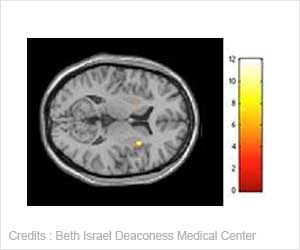
Mice with reduced leptin signalling in the brain logged nearly twice as many miles on a running wheel compared with normal mice.


Hungry? - But you Just Ate!
Most of us are tempted by good food, mealtime or not. Once in a way is fine but it is dangerous to give into food cravings all the time.
Most of us are tempted by good food, mealtime or not. Once in a way is fine but it is dangerous to give into food cravings all the time.
Low leptin levels have been previously been associated with exercise addiction, fast marathon times and training status in humans and also correlate with greater running speed and duration in mice. These new findings could also have clinical implications for anorexia. Previous research has shown that leptin signalling in the brain's reward center inhibits wheel running in a rat model of anorexia-induced hyperactivity. Moreover, people with anorexia have low fat-adjusted leptin levels that are associated with increased restlessness and hyperactivity.
Fulton said, "We speculate that the mechanism described in this work could potentially underlie the hyperactivity associated with anorexia." In future studies, Fulton and her colleagues will test their hypothesis of running reward being associated with food seeking.

Yale Researchers Find That Leptin also Influences Brain Cells That Control Appetite
Yale School of Medicine researchers have found that the hormone leptin also acts on other types of cells to control appetite besides regulating metabolism.
Yale School of Medicine researchers have found that the hormone leptin also acts on other types of cells to control appetite besides regulating metabolism.
Source-IANS

Impaired Action of Hunger Hormone Leptin May Not Be the Culprit Behind Obesity
The hormone leptin is produced when we are well fed, indicating the brain that the body has met the energy needs, giving us a feeling of fullness.
The hormone leptin is produced when we are well fed, indicating the brain that the body has met the energy needs, giving us a feeling of fullness.

Leptin Hormone Linked to Lower Depression Symptoms
Women who have higher levels of appetite-control hormone leptin tend to have fewer symptoms of depression, reveals study.
Women who have higher levels of appetite-control hormone leptin tend to have fewer symptoms of depression, reveals study.
 Email
Email