MEDINDIA
 English
 हिन्दी
 Español
 français
 中文
中文
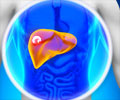
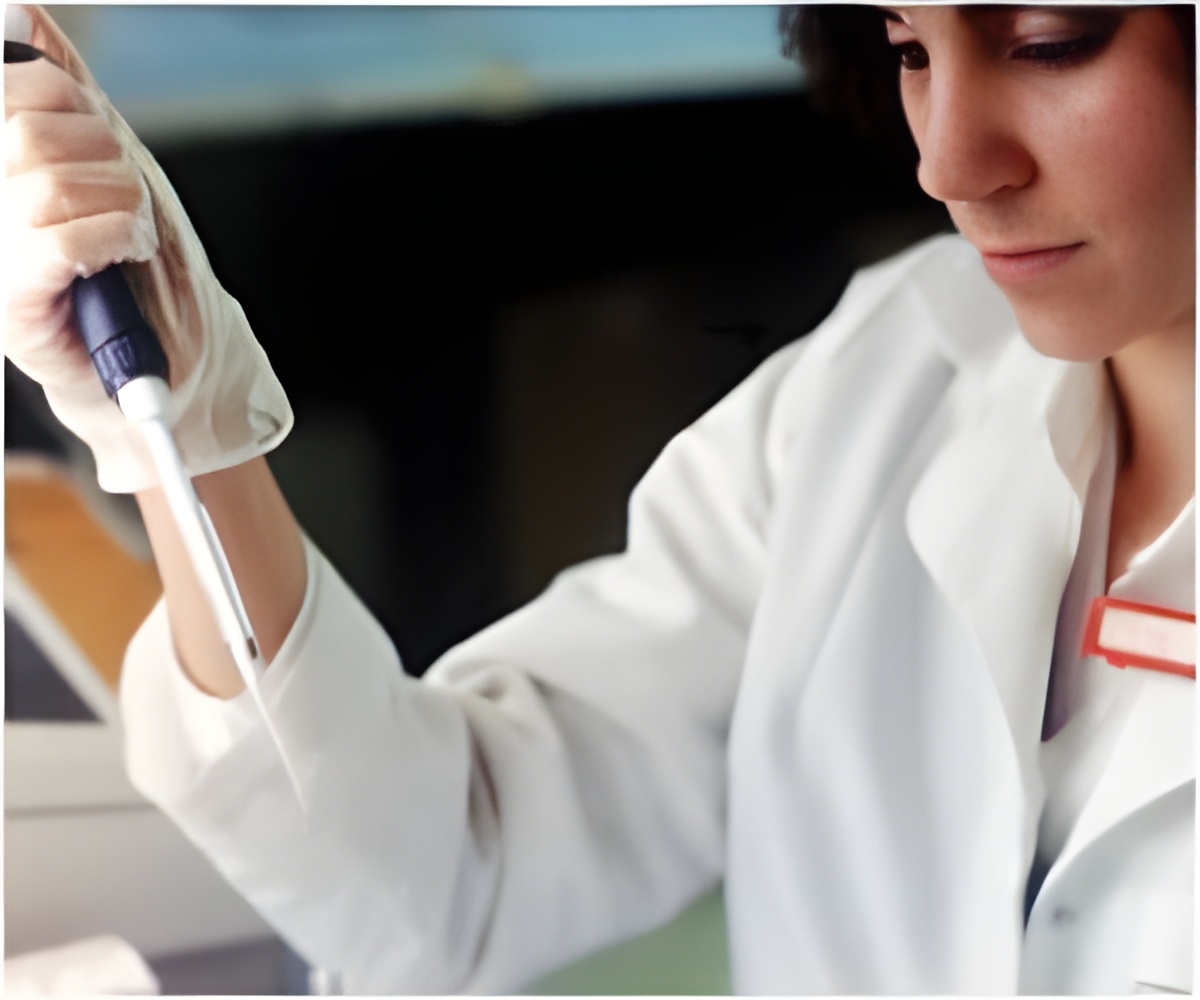
A 3D-printed tissue that closely mimics the human liver's sophisticated structure and function has been developed by researchers at University of California.
Surgeons Carve Ears From A Paediatric Rib Cartilage Like Material Using 3D-Printed Moulds
The innovation could open the door for aspiring surgeons to become proficient in the sought-after but challenging procedure called auricular reconstruction.
The innovation could open the door for aspiring surgeons to become proficient in the sought-after but challenging procedure called auricular reconstruction.
TOP INSIGHT

A 3D-printed tissue that closely mimics the human liver's sophisticated structure and function has been developed by researchers. Pharmaceutical companies could use it to do pilot studies on their new drugs.
The team engineered a human liver tissue model that more closely resembles the real thing - a diverse combination of liver cells and supporting cells systematically organized in a hexagonal pattern.
The liver is unique in that it receives a dual blood supply with different pressures and chemical constituents.

54-Year-Old Spanish Man Gets World's First 3d-Printed Rib Made By Australian Scientists
The 3D printer works by directing an electron beam at a bed of titanium powder in order to melt it. The process is repeated, building the product layer-by-layer.
The 3D printer works by directing an electron beam at a bed of titanium powder in order to melt it. The process is repeated, building the product layer-by-layer.
The entire structure - 200 micrometers thick - takes just seconds to print. This is a vast improvement over other methods to print liver models which typically take hours.
3D-Printed Fish-Shaped Microrobots Called 'Microfish' May Help Deliver Drugs Soon
Nanoengineers have developed fish-shaped microrobots, called microfish, that can soon help deliver drugs efficiently to the targeted areas in the human body.
Nanoengineers have developed fish-shaped microrobots, called microfish, that can soon help deliver drugs efficiently to the targeted areas in the human body.
They found that their model was able to maintain these functions over a longer time period than other liver models.
54-Year-old Chinese Woman Receives 3D-Printed Sternum Implant
The Chinese patient was diagnosed with a sternum tumor last year. Doctors printed a 3D sternum and surgically used it in her heart.
The Chinese patient was diagnosed with a sternum tumor last year. Doctors printed a 3D sternum and surgically used it in her heart.
"I think that this will serve as a great drug screening tool for pharmaceutical companies and that our 3D bioprinting technology opens the door for patient-specific organ printing in the future," Chen added in a paper published in the Proceedings of the National Academy of Sciences.
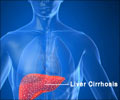
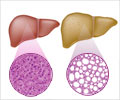
The liver tissue constructed by this novel 3D printing technology will also be extremely useful in reproducing in vitro disease models such as hepatitis, cirrhosis, and cancer, the authors noted.
Source-IANS
 Email
Email