MEDINDIA
 English
 हिन्दी
 Español
 français
 中文
中文
This study is basically aimed at testing the popular assumption that 'brain training' in one game could give someone an edge in the second game that uses the same area of the brain.
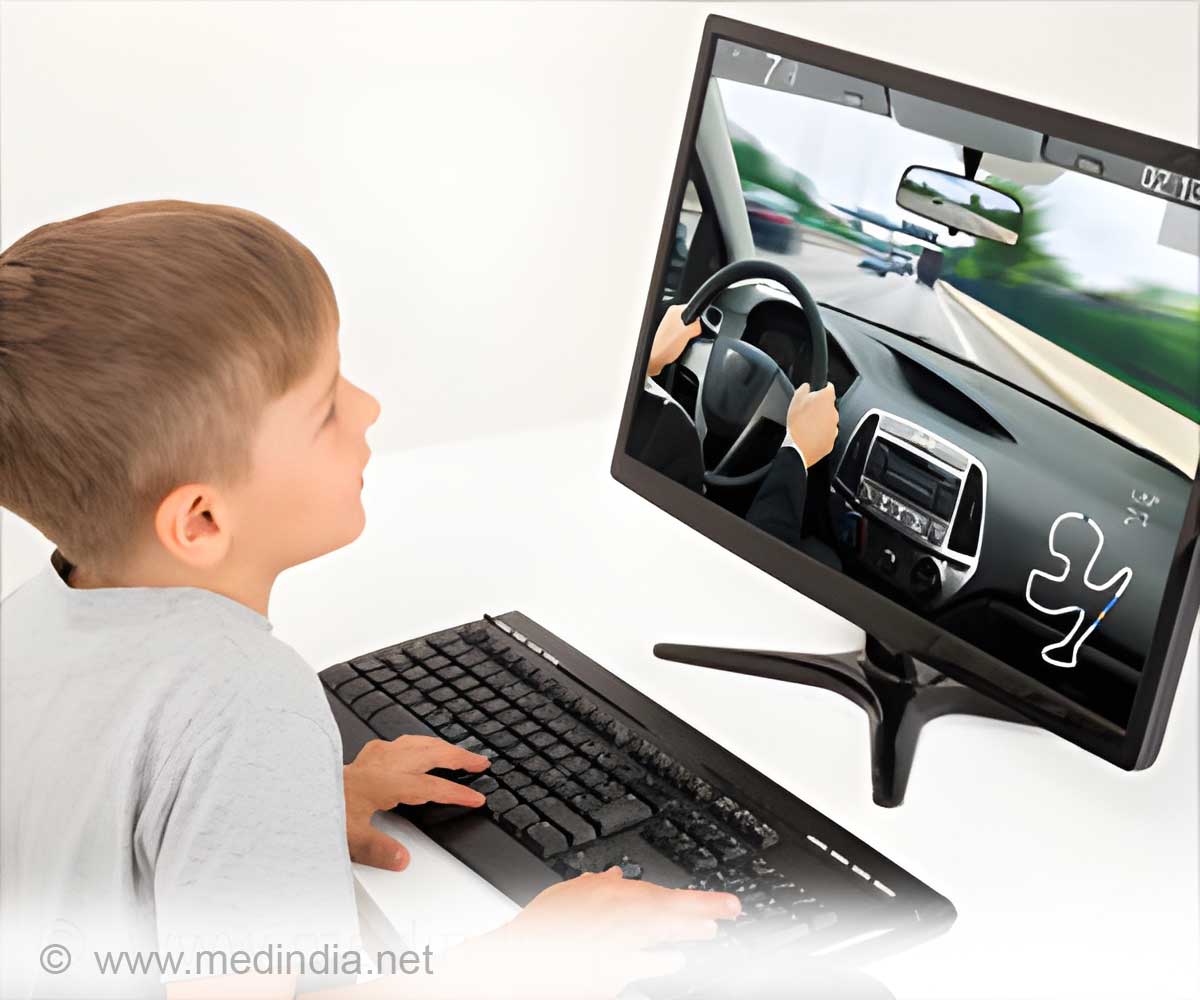

Do you Think Brain Games Make You Smarter?
New study finds no evidence games increase overall cognitive abilities.
New study finds no evidence games increase overall cognitive abilities.
TOP INSIGHT

Getting good at brain games does not improve working memory or enhance IQ.
"We hypothesized that if you get really, really good at one test by training for a very long time, maybe then you'll get improvement on tests that are quite similar. Unfortunately, we found no evidence to support that claim," says Bobby Stojanoski, a research scientist in the Owen Lab at Western's world-renowned Brain and Mind Institute and lead author of the paper. "Despite hours of brain training on that one game, participants were no better at the second game than people who tested on the second game, but hadn't trained on the first one."
A groundbreaking 2010 study led by renowned Western neuroscientist Adrian Owen, Canada Excellence Research Chair in Cognitive Neuroscience and Imaging, monitored cognitive performance in 11,000 people who 'brain trained' for six weeks. It found that getting good at brain games doesn't improve working memory or enhance IQ.

Computerized Brain Games may Not Prevent Dementia
There's little evidence that computerized brain games make the user smarter overall or less likely to experience cognitive decline.
There's little evidence that computerized brain games make the user smarter overall or less likely to experience cognitive decline.
Stojanoski concludes, there are other, proven ways to improve memory and brain health: "Sleep better, exercise regularly, eat better, education is great - that's the sort of thing we should be focused on. If you're looking to improve your cognitive self, instead of playing a video game or playing a brain training test for an hour, go for a walk, go for a run, socialize with a friend. These are much better things for you."

Now a New App Called 'ESeniorCare' can Help Seniors Live Better
The app empowers and engages seniors by providing a continuity of care allowing health workers to proactively reach out to at-risk seniors when they need help.
The app empowers and engages seniors by providing a continuity of care allowing health workers to proactively reach out to at-risk seniors when they need help.
 Email
Email