MEDINDIA
 English
 हिन्दी
 Español
 français
 中文
中文
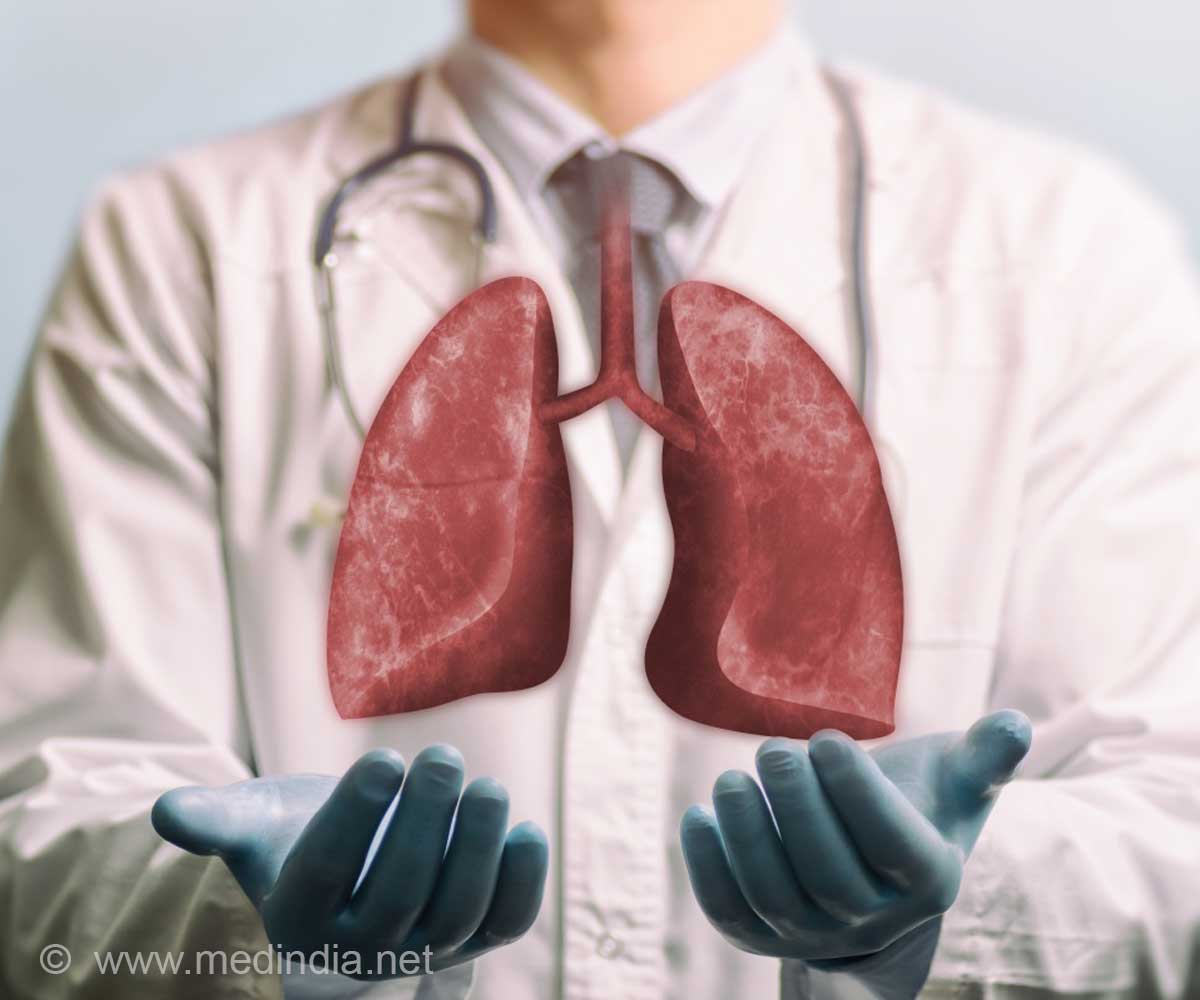
Using lungs from donors who are considered high risk for certain infectious diseases compared to standard risk donors results in similar one-year survival for recipients.
Pulmonary Fibrosis - Causes, Symptoms, Diagnosis, Treatment, Prognosis
Do you find yourself out of breath and coughing a lot lately? Do you work in dust prone places? Well, then you might have pulmonary fibrosis.
Do you find yourself out of breath and coughing a lot lately? Do you work in dust prone places? Well, then you might have pulmonary fibrosis.
TOP INSIGHT

Currently, there are nearly 1,500 people waiting for a lung transplant in the U.S.
The designation is used to identify risky donor behavior with the goal of reducing the transmission of HIV, hepatitis B, and hepatitis C. All organs considered for transplant are tested for infectious disease, but there is a very small possibility of an infection not showing up upon early initial testing because the immune system has not produced enough antibodies yet to be detected.
Increased risk behaviors include activities like non-medical intravenous drug use and sexual contact with a person known or suspected to have HIV, hepatitis B, or hepatitis C infections. The broadened definition also encompasses donors whose medical or behavioral history cannot be obtained. Prior to the changes, about 8% of organs were considered "high risk;" after the changes, about 22% were considered "increased risk."

New Drug Combination may Extend the Lives of Lung Transplant Patients
A new drug combination with the potential to extend patient survival in lung transplant recipients has been identified. Sirolimus plus Tacrolimus combination helps in the long-term prevention of chronic rejection. Further studies would be required to investigate optimal dosages of the drugs to treat the patients.
A new drug combination with the potential to extend patient survival in lung transplant recipients has been identified. Sirolimus plus Tacrolimus combination helps in the long-term prevention of chronic rejection. Further studies would be required to investigate optimal dosages of the drugs to treat the patients.
Researchers worry the broadened definition has the potential to narrow the donor pool because transplant candidates often refuse organs from increased risk donors. Transplant candidates must consent to use a non-standard-risk organ, and studies have shown up to 78% of waitlist candidates refuse an offer from an increased-risk donor. Due to organ shortages, approximately 10% of U.S. lung transplant candidates die on the waiting list every year.
Exploring Causes of Lung Transplant Rejection-Study
Cells activated by autocrine pathway produce excess collagen that leads to progressive scarring and rejection of transplanted lungs.
Cells activated by autocrine pathway produce excess collagen that leads to progressive scarring and rejection of transplanted lungs.
Source-Eurekalert
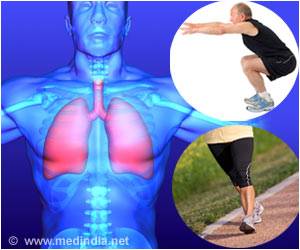
Exercise Keeps Lung Transplant Patients Physically Fit
An exercise regimen following lung transplantation helps to keep patients physically fit and reduces heart-related complications.
An exercise regimen following lung transplantation helps to keep patients physically fit and reduces heart-related complications.
 Email
Email