MEDINDIA
 English
 हिन्दी
 Español
 français
 中文
中文
In a study that included more than 10,000 men with nonmetastatic prostate cancer, use of ADT was associated with a significantly increased risk of acute kidney injury.


Prostate Cancer | Cancer of Prostate - Incidence, Prevention, Causes, Symptoms & Treatment
This cancer affects men over the age of 50 years and screening with rectal examination and PSA can help both in early detection and effective treatment
This cancer affects men over the age of 50 years and screening with rectal examination and PSA can help both in early detection and effective treatment
A total of 10,250 patients met the study inclusion criteria. During follow-up, 232 cases with a first-ever AKI admission were identified. All cases were matched with at least l control. The researchers found that compared with never use, current use of ADT was significantly associated with a 2.5 times increased odds of AKI. "This association was mainly driven by a combined androgen blockade consisting of gonadotropin-releasing hormone agonists with oral antiandrogens, estrogens, other combination therapies, and gonadotropin-releasing hormone agonists."
"To our knowledge, this is the first population-based study to investigate the association between the use of ADT and the risk of AKI in men with prostate cancer. In this study, the use of ADT was associated with an increased risk of AKI, with variations observed with certain types of ADTs. This association remained continuously elevated, with the highest odds ratio observed in the first year of treatment. Overall, these results remained consistent after conducting several sensitivity analyses," the authors write.
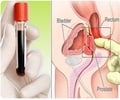
Prostate Cancer Screening
PSA (Prostate Specific Antigen) test and Digital Rectal Examination are two tests that allow detection of prostate cancer at early stages.
PSA (Prostate Specific Antigen) test and Digital Rectal Examination are two tests that allow detection of prostate cancer at early stages.
Source-Newswise
![Prostate Specific Antigen [PSA] & Prostate Cancer Diagnosis](https://images.medindia.net/patientinfo/120_100/prostate-specific-antigen.jpg "Prostate Specific Antigen [PSA] & Prostate Cancer Diagnosis")
Prostate Specific Antigen [PSA] & Prostate Cancer Diagnosis
PSA blood test is specific to prostate gland but not necessarily a cancer specific test but is commonly used to diagnose prostate cancer.
PSA blood test is specific to prostate gland but not necessarily a cancer specific test but is commonly used to diagnose prostate cancer.
Prostate Cancer: Treatment Options - Surgery, Radiation Therapy, Hormone Therapy
Treatment options of prostate cancer includes waiting, surgery, radiation, hormone therapy, chemotherapy, cryosurgery or biologic therapy.
Treatment options of prostate cancer includes waiting, surgery, radiation, hormone therapy, chemotherapy, cryosurgery or biologic therapy.
 Email
Email