MEDINDIA
 English
 हिन्दी
 Español
 français
 中文
中文
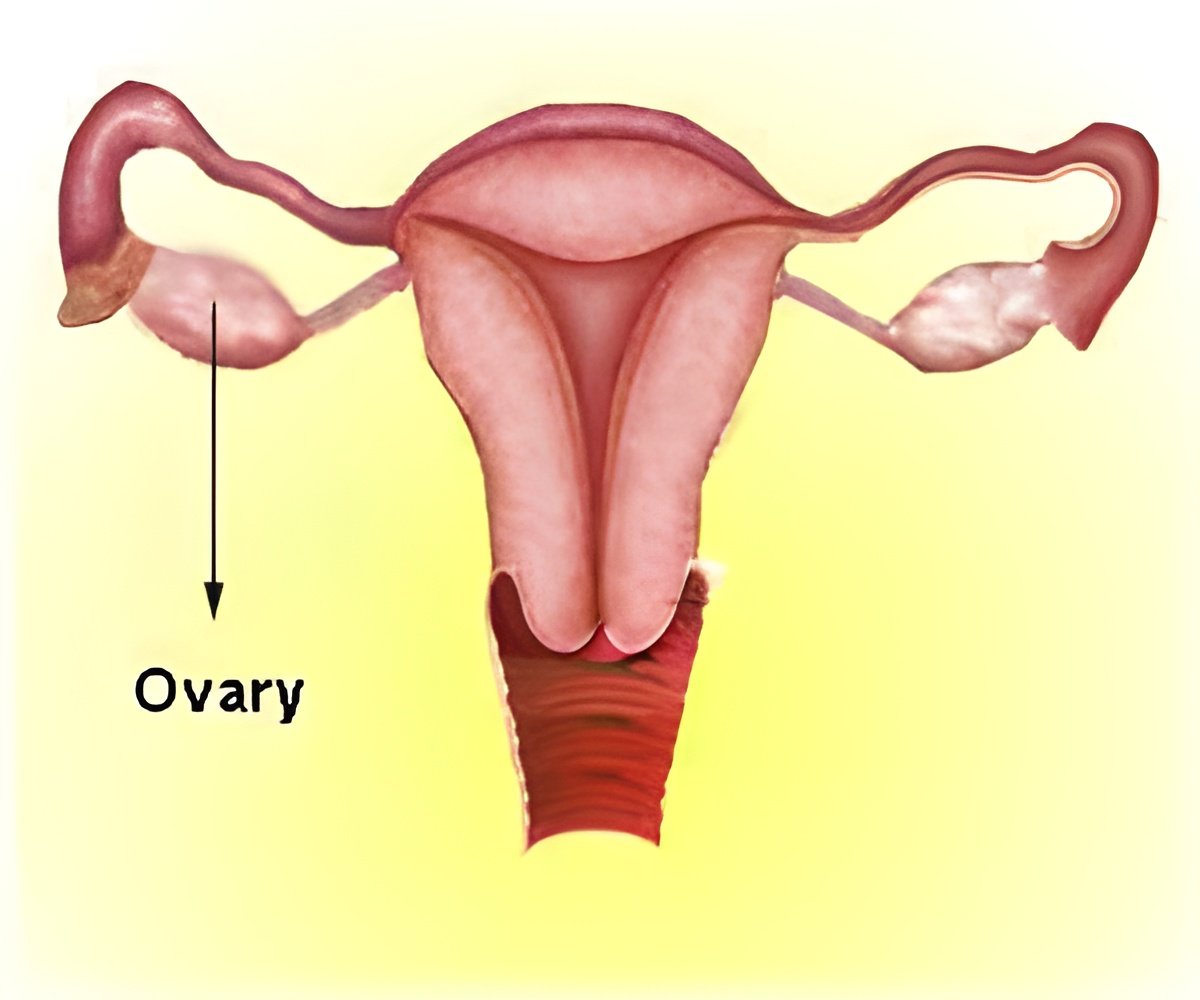
Women who have their ovaries removed before the natural age of menopause have higher levels of childhood adversity, reported more symptoms of dysfunction, and also performed worse on executive function tasks.
Ovarian Cancer | Cancer in the Ovaries - Causes, Symptoms, Treatment & Prevention
Ovarian cancer affects both the ovaries and is referred to as the 'silent killer' as the symptoms go unnoticed until the disease advances.
Ovarian cancer affects both the ovaries and is referred to as the 'silent killer' as the symptoms go unnoticed until the disease advances.
TOP INSIGHT

Premature loss of ovarian hormones caused by the procedure has been shown to increase the risk of central nervous system impairment and an overall decline in quality of life.
This new study of cognitive function in BRCA1 and BRCA2 mutation carriers who underwent risk-reducing salpingo-oophorectomy examined the association between childhood adversity and executive function as well as the role of mood. Women with higher levels of childhood adversity reported more symptoms of dysfunction and also performed worse on executive function tasks.
These results could provide valuable insights to healthcare providers when they are counseling women who would benefit from risk-reducing salpingo-oophorectomy. Assessment of childhood adversity may help identify women who are more likely to experience executive function difficulties and mood symptoms after surgery and provide an opportunity to treat these difficulties before symptoms negatively affect the quality of life. Study results appear in the article "Executive function after risk-reducing salpingo-oophorectomy in BRCA1 and BRCA2 mutation carriers: do current mood and early life adversity matter?"
No Difference in Breast Cancer Characteristics After Oophorectomy, Say Researchers
Researchers have reported that over half a million women in the United States undergo a hysterectomy each year and approximately half of those surgeries include removal of the ovaries.
Researchers have reported that over half a million women in the United States undergo a hysterectomy each year and approximately half of those surgeries include removal of the ovaries.
Source-Eurekalert

Family History of Heart Disease can Make Early Removal of Ovaries Risky
Having a family history of heart disease can make early removal of ovaries very risky, reveals a new study.
Having a family history of heart disease can make early removal of ovaries very risky, reveals a new study.

Mexican Woman Becomes the First in Latin America to Undergo Ovaries' Transplantation
A Mexican woman underwent a surgery at a hospital in the western city of Guadalajara to become the first woman in Latin America to receive ovaries transplantation.
A Mexican woman underwent a surgery at a hospital in the western city of Guadalajara to become the first woman in Latin America to receive ovaries transplantation.
 Email
Email