MEDINDIA
 English
 हिन्दी
 Español
 français
 中文
中文
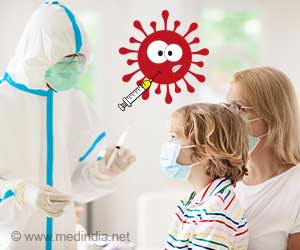
With stressed hospital services, and concerns about the spread of COVID-19, experts are reminding carers of children and young people about adhering to self-management plans from the safety of their home.
TOP INSIGHT

New consensus list developed for kids with chronic diseases provides easy-to-follow guidelines for safe and effective self-management practices.
Read More..
"From what we are seeing in Australia and overseas, significantly fewer children are presenting to hospitals or making contact with health professionals due to concerns about COVID-19," Ms Saxby says.
"There is a great need to empower children and their families to actively manage their own health, particularly if they're not keeping up their appointments.
"During periods of isolation, it is very important to watch for any early signs of a child's health starting to deteriorate. Children and young people cannot self-manage their health themselves, They will need different levels of support from their caregivers and health professionals."
The research has resulted in a new clinical resource called 'Partners in Health: Self-Management Consensus List for Children and Young People' which aims to provides easy-to-follow guidelines for safe and effective self-management practices - including methodology, care components and considerations for specific developmental groups.
Ways paediatric health services can use technology to communicate and educate children and their families include assessments via screen and digital connection to the home medical monitoring devices, frequent emails, and home visits by nurses and allied health professionals.

Telemedicine - Types, Benefits, Facts, Figures and it’s Future
Telemedicine refers to the use of information and communication technology to provide health care and information from a distance.
Telemedicine refers to the use of information and communication technology to provide health care and information from a distance.
"During the COVID-19 crisis, it's also important our children and adolescents with health conditions to socialise with others - and social media networks such as Facebook groups is just one way to keep in touch."
Flinders Professor Sharon Lawn adds that chronic condition self-management approaches designed for adults may not fit with the needs of children with chronic conditions and their families.
"Children are not just little adults," she says. "These findings offer health services and professionals fresh insights into the transitions these children and their families must navigate as part of supported self-management," Professor Lawn says.
Source-Eurekalert
 Email
Email