MEDINDIA
 English
 हिन्दी
 Español
 français
 中文
中文
PSA test is not required for men older than 50 and with no symptoms of the disease, according to the USPSTF update on prostate cancer screening guidelines.

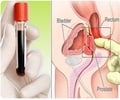
Prostate Cancer Screening
PSA (Prostate Specific Antigen) test and Digital Rectal Examination are two tests that allow detection of prostate cancer at early stages.
PSA (Prostate Specific Antigen) test and Digital Rectal Examination are two tests that allow detection of prostate cancer at early stages.
Scientific evidence shows that finding and treating a prostate cancer early increases the effectiveness of treatment and can thus save lives. Studies also recommended the screenings to be done annually beginning at the age of 50.
The USPSTF review, however, found no evidence that PSA based screening can save lives. Over and above, the treatment risks for most men far outweigh the benefits of PSA screening. This is because, the Task Force reasoned, a PSA test cannot differentiate between aggressive and non-aggressive cancers, which may result in many men undergoing needless surgery and radiation that expose them to significant side effects. According to the Task Force update, ‘Adequate evidence shows that nearly 90 percent of men with PSA-detected prostate cancer undergo early treatment with surgery, radiation, or androgen deprivation therapy. Adequate evidence also shows that up to 5 in 1,000 men will die within 1 month of prostate cancer surgery and between 10 and 70 men will have serious complications but survive. Radiotherapy and surgery result in adverse effects, including urinary incontinence and erectile dysfunction in at least 200 to 300 of 1,000 men treated with these therapies. Radiotherapy is also associated with bowel dysfunction’. They used the terms ‘over-diagnosis’ or ‘pseudo-disease’ to describe these situations.

Top Ten Facts About Prostate Cancer
This is the most controversial cancer in both treatment and diagnosis. Read interesting facts about this cancer.
This is the most controversial cancer in both treatment and diagnosis. Read interesting facts about this cancer.
Prostate cancer is the second most common cancer affecting around a million men globally, according to the World Cancer Research Fund International. And along with the USPSTF and CDC, this organization too feels that increase in the prostate cancer incidence has been largely due to the increased availability of screening for PSA in men without symptoms of the disease. They believe the PSA test detects many prostate cancers that are small and /or would otherwise remained unrecognized and which may or may not develop further into higher stage disease.

1. ‘All men should receive a PSA test at age 45. For these men with a:

Drug Slows Prostate Cancer Growth
A drug approved for prostate cancer slows the spread of the advanced forms of cancer, reveals research.
A drug approved for prostate cancer slows the spread of the advanced forms of cancer, reveals research.
b) PSA greater than 1 but less than 3 ng / mL: Return for PSA every two years
c) PSA from 0.65 to 1 ng / mL: Return for PSA at age 50
d) PSA less than 0.65 ng / mL: Return for PSA at age 55
2. For men aged 45 to 59 with a:
a) PSA greater than or equal to 3 ng / mL: Consider biopsy
b) PSA greater than 1 but less than 3 ng / mL: Return for PSA every two years
c) PSA from 0.65 to 1 ng / mL: Return for PSA in five years, or age 60 if age > 55
d) PSA less than 0.65 ng / mL: Return for PSA at age 60
3. For men aged 60 to 70 with a:
a) PSA greater than or equal to 3 ng / mL: Consider biopsy
b) PSA greater than 1 but less than 3 ng / mL: Return for PSA every two years
c) PSA less than or equal to 1 ng / mL: No further screening
4. For men aged 71 or older:
a) No further screening’
Similarly, the American Urological Association (AUA) issued a statement that ‘an appropriately interpreted PSA test provides important information concerning the diagnosis, pretreatment staging or risk assessment, and monitoring of prostate cancer patients’. Once prostate cancer is diagnosed the patient needs to discuss with his doctor regarding the course of action.
That a patient should consult his physician, consider the risks and benefits, and make an informed decision about whether to be screened for prostate cancer, has also been suggested by the American Cancer Society.
‘Understanding the issues involved with prostate cancer screening and the steps that follow a PSA test is knowledge that all men should have when making the decision to be screened. Elevated PSA levels do not always mean a man has cancer; other benign (non cancerous) prostate problems can also raise a man's PSA level. And many men with low PSAs do have prostate cancer’, says Dr Michael J. Barry, President, Foundation for Informed Medical Decision Making.
“It may be a simple test but it’s not a simple decision,” says Dr. Karnes, urologist from the Mayo Clinic. “A PSA test is something you should decide after discussing it with your doctor, considering your risk factors and weighing your personal preferences.”
The medical experts do not yet know what causes prostate cancer or how to prevent this cancer. But what they do know is that certain lifestyle changes such as not smoking, switching to a healthy diet and being physically active will keep the body healthy and possibly reduce the chances of advanced prostate cancer. So, one needs to make an informed decision based on the suggestion of their doctor.
Source:
http://www.uspreventiveservicestaskforce.org/uspstf12/prostate/draftrecprostate.htm
References:
1. http://www.cdc.gov/cancer/prostate/pdf/prosguide.pdf
2. http://www.mskcc.org/cancer-care/screening-guidelines/screening-guidelines-prostate
3. http://hosted.verticalresponse.com/947263/fa554eab10/1501562419/8580406966/
Source-Medindia
 Email
Email



![Prostate Specific Antigen [PSA]](https://www.medindia.net/images/common/patientinfo/120_100/prostate-specific-antigen.jpg "Prostate Specific Antigen [PSA]")