High cholesterol results in a number of serious complications like heart attack and stroke, making it imperative to control the problem with medications. Drugs from the statin group like simvastatin and rosuvastatin are often used to decrease the “bad” cholesterol or LDL-cholesterol. These drugs decrease the production of cholesterol by the body as well as increase its uptake by the liver, thus reducing its blood levels.
Ezetimibe is a comparatively newer drug that acts by decreasing absorption of cholesterol and phytosterols by the intestines. It is usually used along with statins for added beneficial effect.
Low Cholesterol Diet- The Pivotal Chemical
Cholesterol - The Pivotal Chemical in Low Cholesterol Diet
Cholesterol - The Pivotal Chemical in Low Cholesterol Diet
Studies indicate that souble fibre in the intestines reduce the absorption of Phytosterols from the diet and thus have a cholesterol-lowering effect. Other studies however indicate that increase in absorption of phytosterols could have the same detrimental effects on the body as cholesterol such as hardening of blood vessels.
Some studies indicate that the cholesterol-lowering drugs belonging to the statin group, though very effective, can increase the absorption of phytosterols in the intestine, leading to a mild to moderate increase of phytosterols in the body. This could lead to an increase in cardiovascular risk, though this view is still controversial.

Natural Remedies for Cholesterol – How Effective Are They?
Certain natural remedies are effective in controlling high cholesterol, when aided by lifestyle changes.
Certain natural remedies are effective in controlling high cholesterol, when aided by lifestyle changes.
A study was carried out to test the efficacy of dietary fiber in reducing cholesterol as well as phytosterol levels in patients already taking effective anti-cholesterol medications. 116 men and women between the ages of 30 and 75 years were included in the study. The participating individuals received the cholesterol-lowering drugs rosuvastatin 40 mg or a combination of simvastatin 40 mg plus ezetimibe 10 mg, daily for 12 weeks. In addition, they were randomized to receive or not 25 g of dietary fiber (corresponding to 6 g of soluble fiber), divided into three daily doses administered before meals. They were also encouraged to adopt lifestyle changes that help to reduce cholesterol.
Advertisement
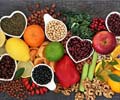
Fiber up Your Meals
A high fiber diet and good water intake are essential for a stress free body. High-fiber foods prevent overeating and is also the key to maintaining a healthy weight.
A high fiber diet and good water intake are essential for a stress free body. High-fiber foods prevent overeating and is also the key to maintaining a healthy weight.
The researchers found that the level of the phytosterol campesterol was reduced in patients administered dietary fibers. This effect was especially seen when combined with simvastatin and ezetimibe. Blood glucose levels at week 12 were also lower in patients supplemented with fiber. The researchers also found that fiber supplementation reduced weight in some patients, which is beneficial in patients suffering from high cholesterol.
Advertisement

Cholesterol-lowering Foods
People who consumed diet rich in foods such as nuts, soy, avocado, olive oil and oats saw a major decline in cholesterol levels than people on a low-fat diet, shows study.
People who consumed diet rich in foods such as nuts, soy, avocado, olive oil and oats saw a major decline in cholesterol levels than people on a low-fat diet, shows study.
The exact role of phytosterols in the development of cardiovascular problems is currently controversial. However, the findings of this study may be relevant for certain people showing genetic variation in NPC1L1 or ABCG5/G8 genes. This variation results in an increase the absorption of sterols or decrease in sterol excretion into the intestinal lumen, thus resulting in phytosterolemia. Further studies with larger number of patients are warranted to establish this beneficial effect of dietary fibers.
Reference:
1. The Role of Soluble Fiber Intake in Patients under Highly Effective Lipid-lowering Therapy; Silvia Ramos et al; BMJ Nutrition 2011.
Source-Medindia